 Español
  Français
  Deutsch
  Italiano
  Nederlands
  Português
  Русский
  中文
中文  日本語
日本語  العربية
  Türkçe
 10
Excelent

 English

 Casa De Pilatos, Seville, Spain
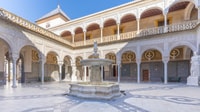
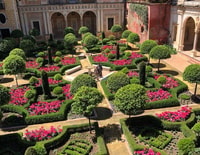
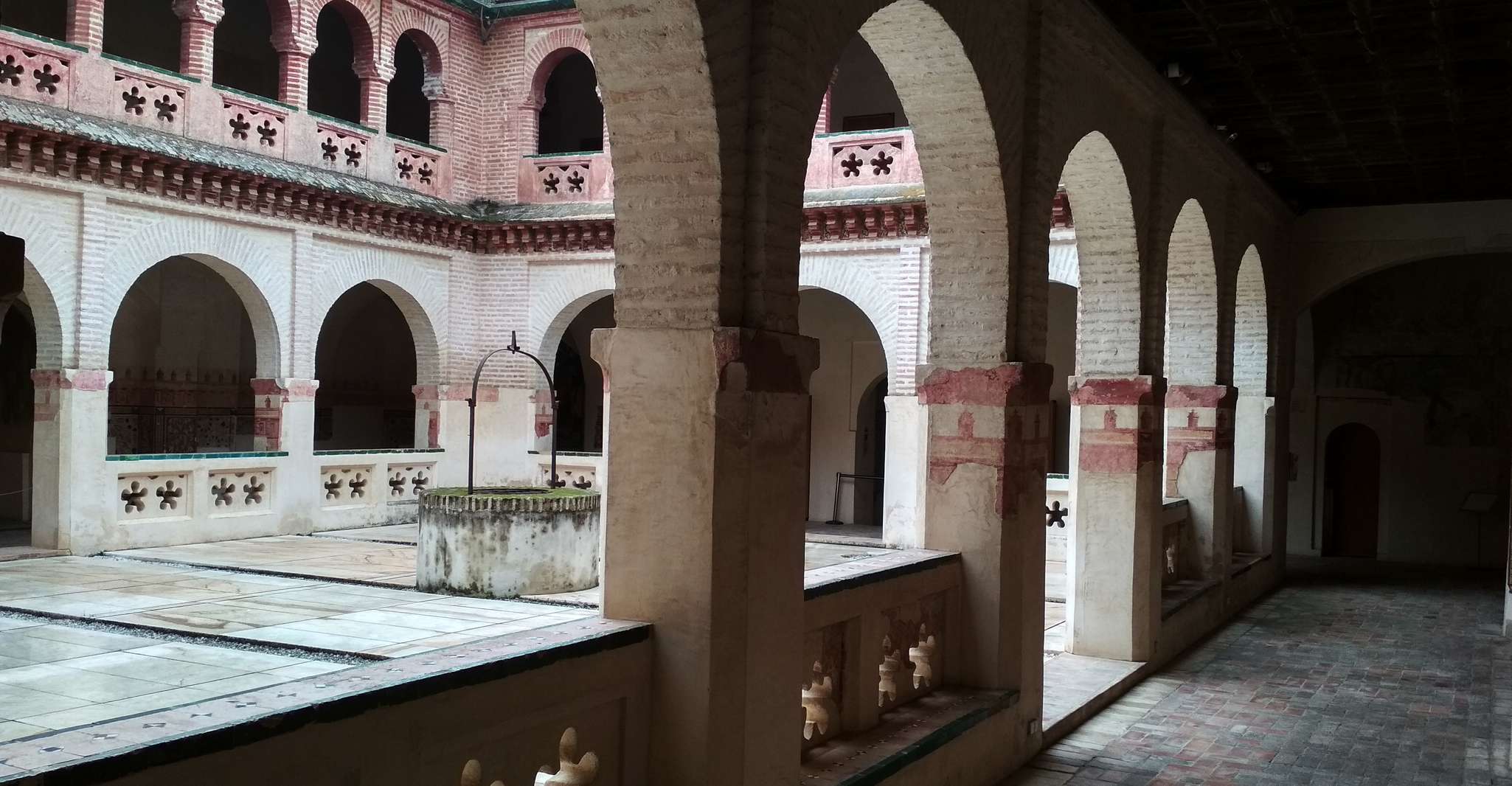
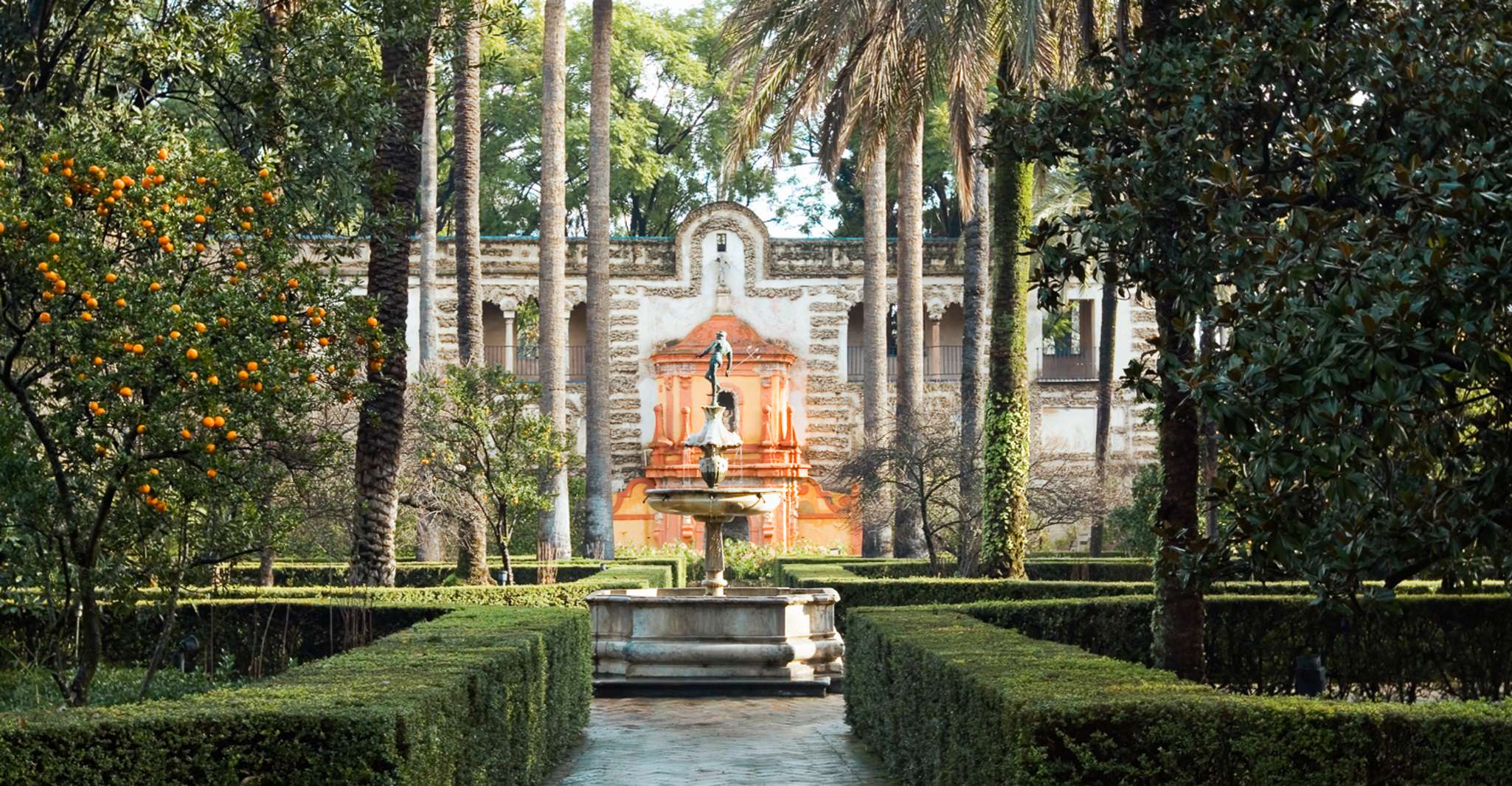
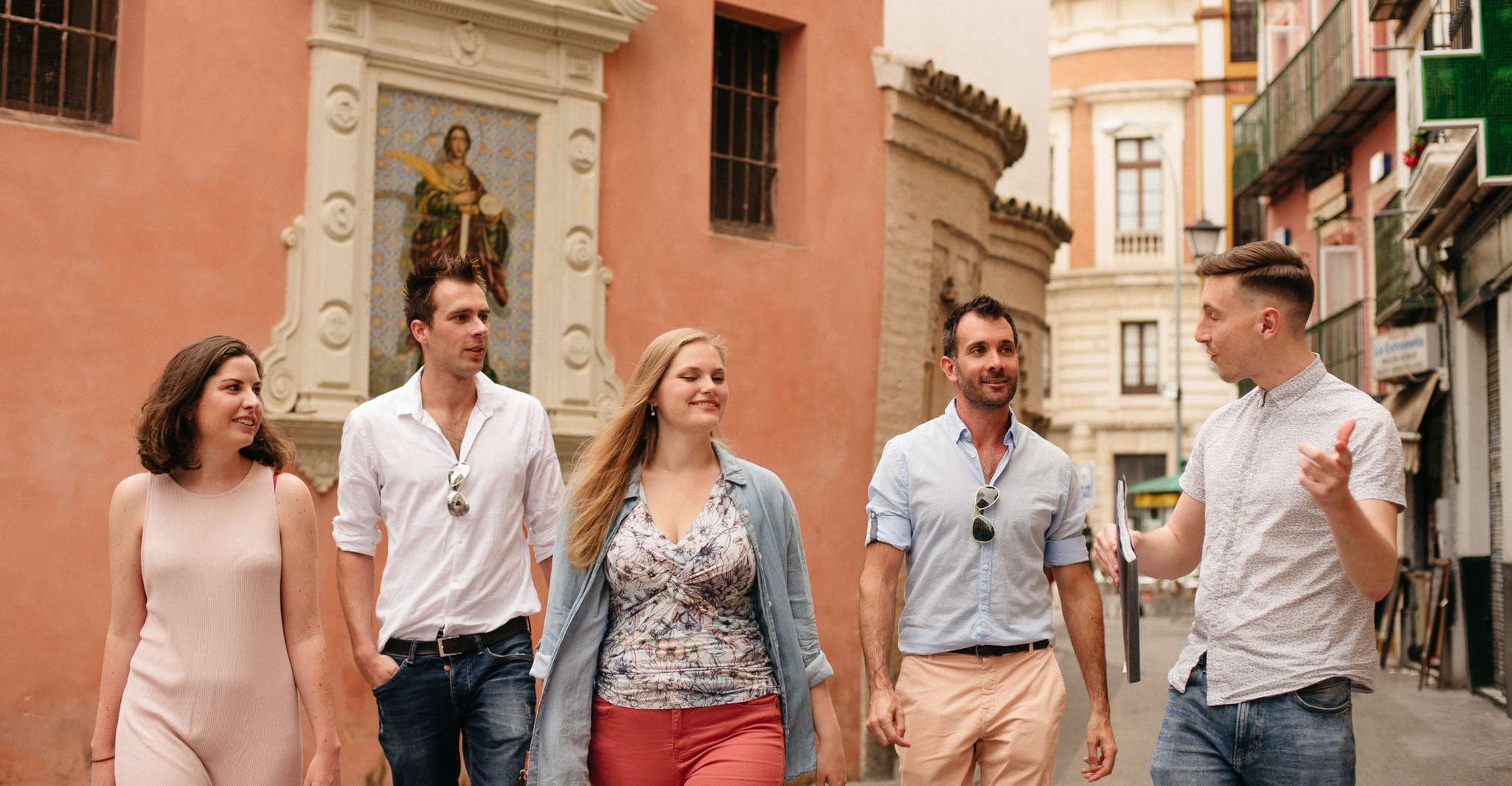
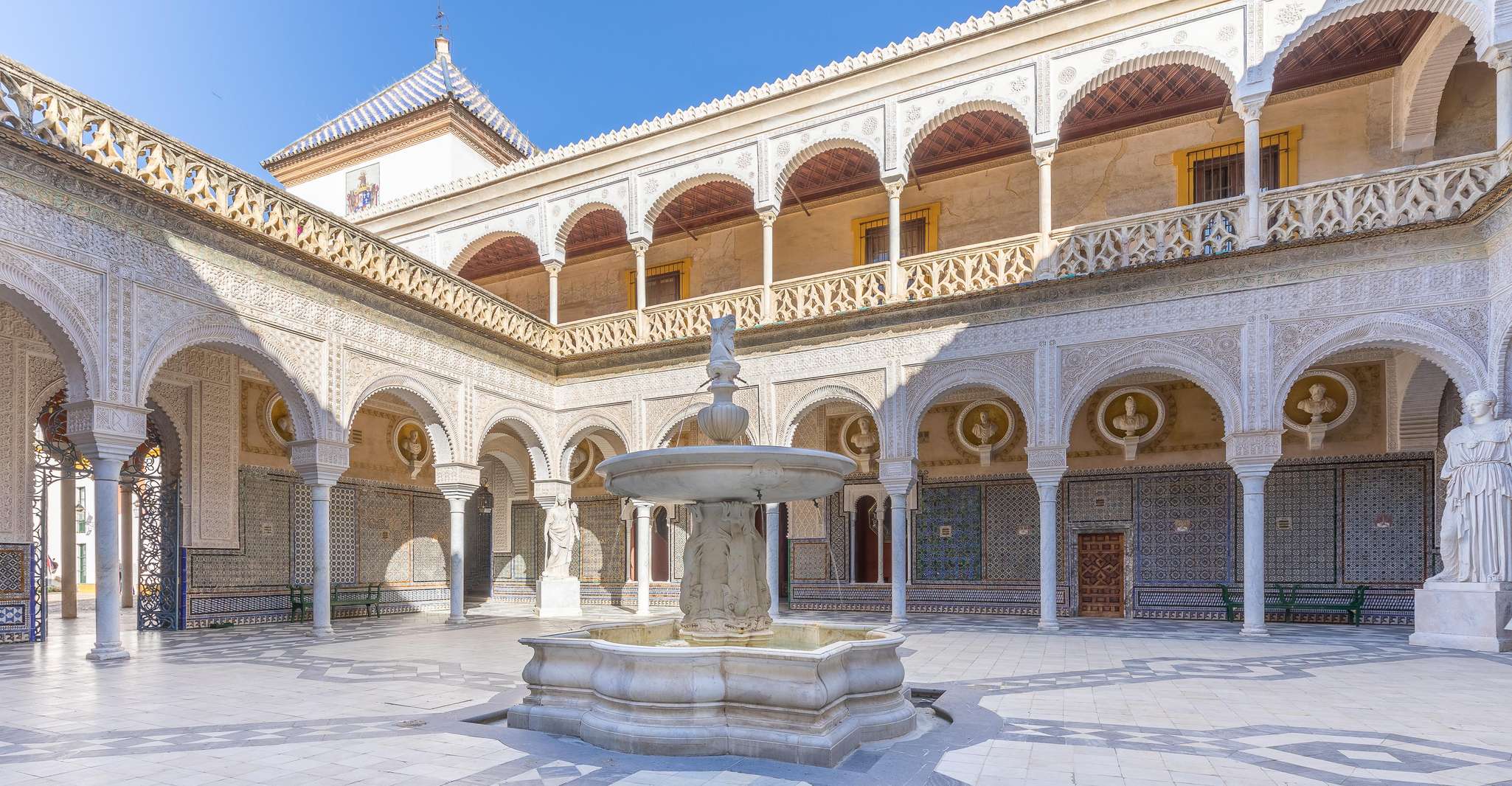
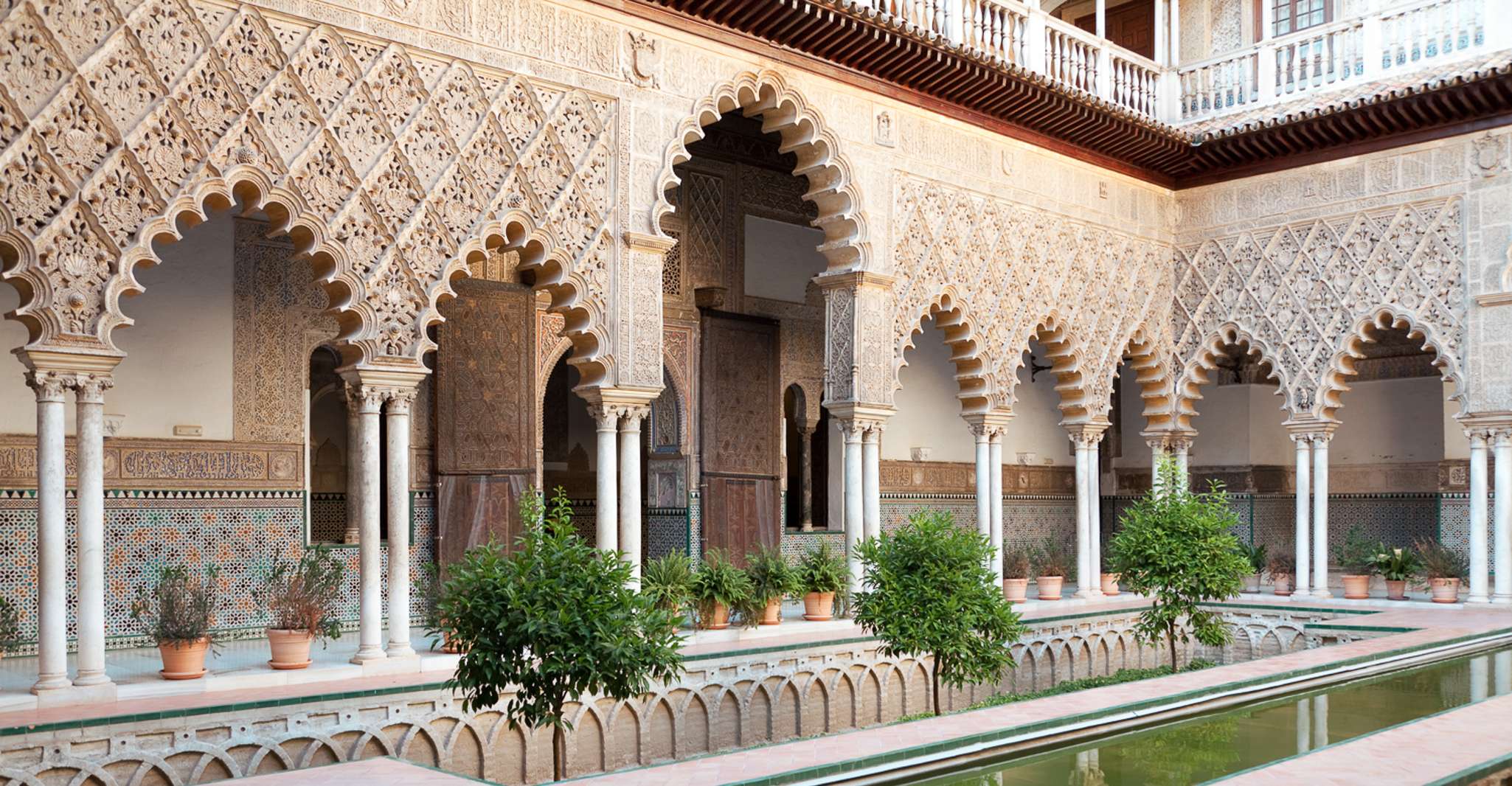
Explore Casa de Pilatos through our guided tour featuring an entry ticket and audio commentary. Enjoy panoramic views of the courtyard adorned with intricate murals as well as a leisurely stroll through expansive garden spaces. Marvel at meticulously crafted sculptures alongside an extensive array of artistic masterpieces within our museum's collections.
10
Excelent
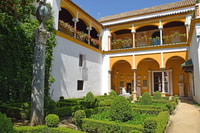
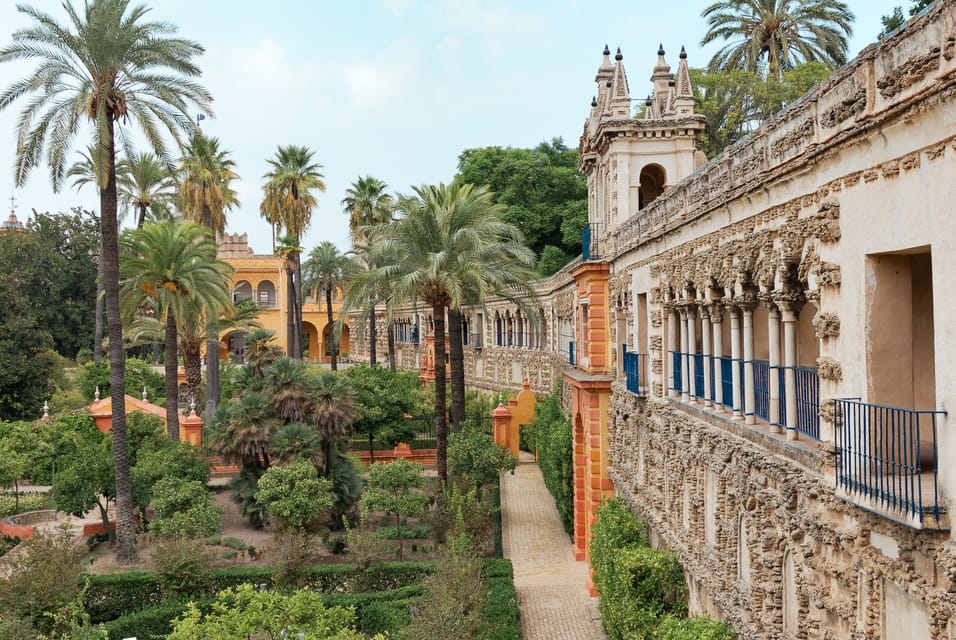
The 15th-century Casa de Pilatos boasts remarkable sculptures, tiles, and architectural elements designed by the Enríquez de Ribera family. Visitors can explore the palace's various spaces, including drawing rooms, courtyards, and gardens, which once served as one of the largest private residences in Seville during its heyday.
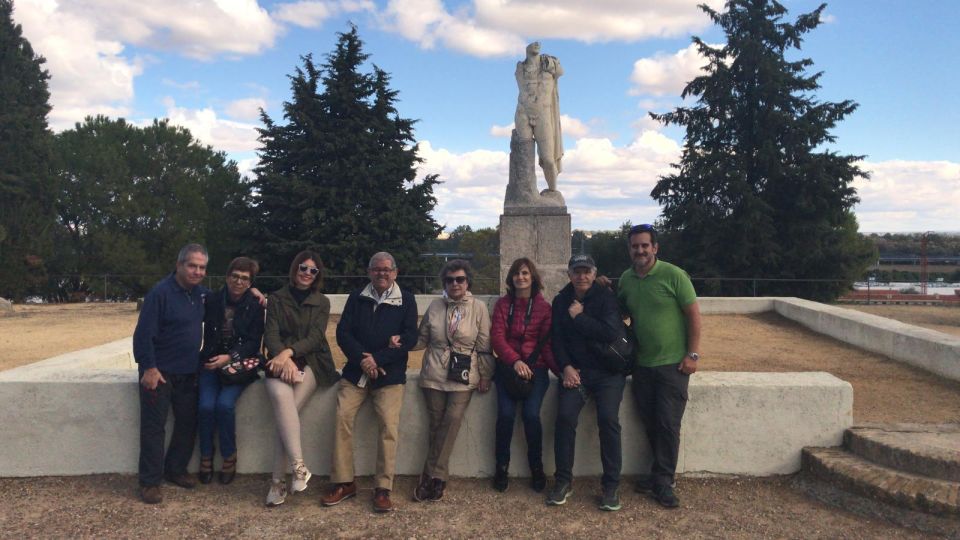
To enter this historic site, visitors should pass through the intricately crafted Renaissance-style marble gateway. Here, they will encounter 24 busts of Roman emperors, complemented by fountains reminiscent of the Andalusian courtyard tradition. Notable figures among these include busts of Emperor Hadrian, Aphrodite, and Apollo, the divine patron of music, poetry, and arts.
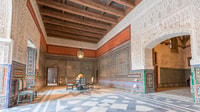
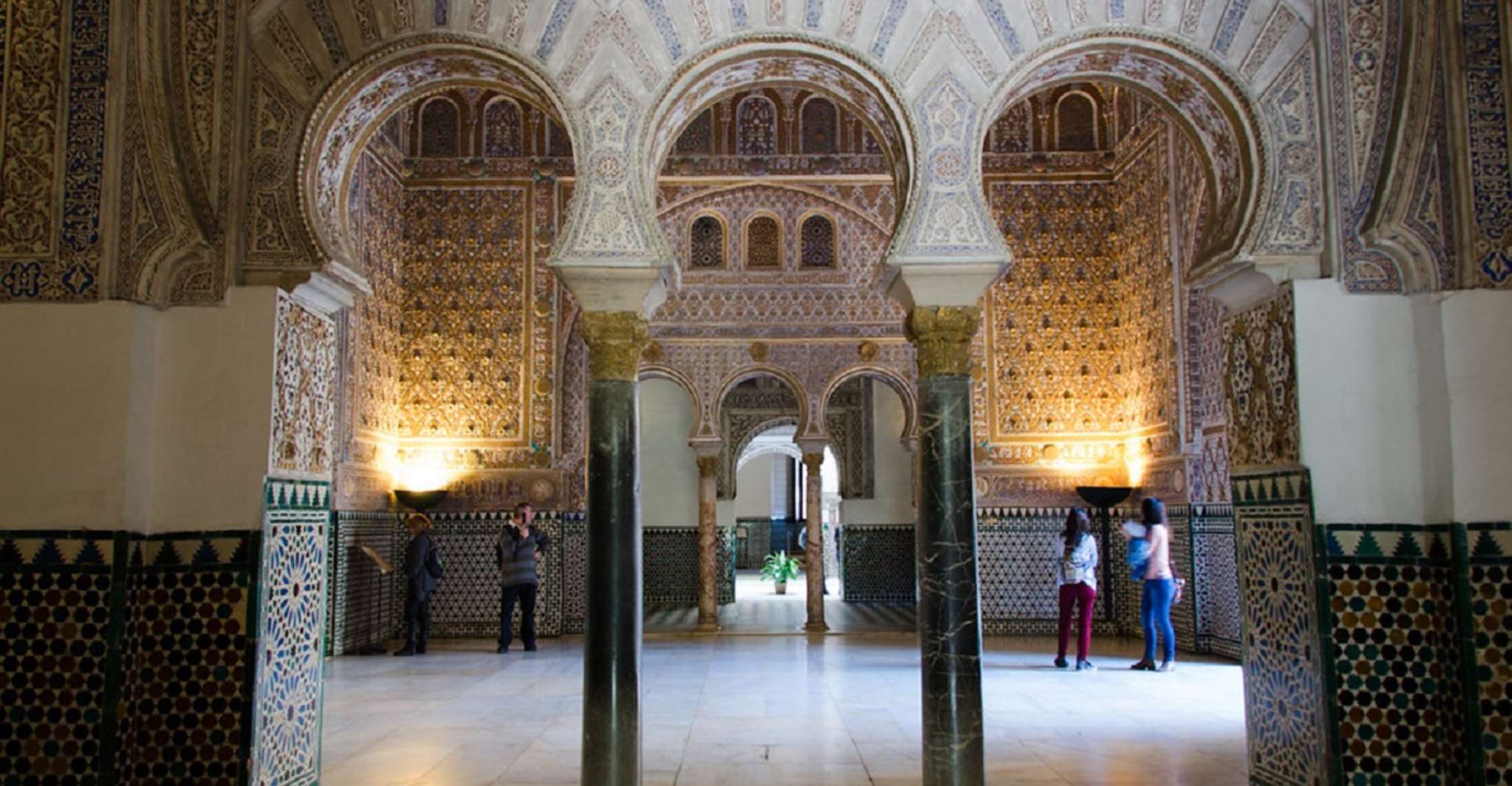
Visitors may also admire the palace's war ornaments, specifically the shield and helmet carved from stone depicting the goddess Pallas Pacifera. This section of the palace features an older chamber known for its ornate basket-handle arch, blending elements of both Christian and Islamic styles with Mudejar-Gothic and Renaissance architecture.
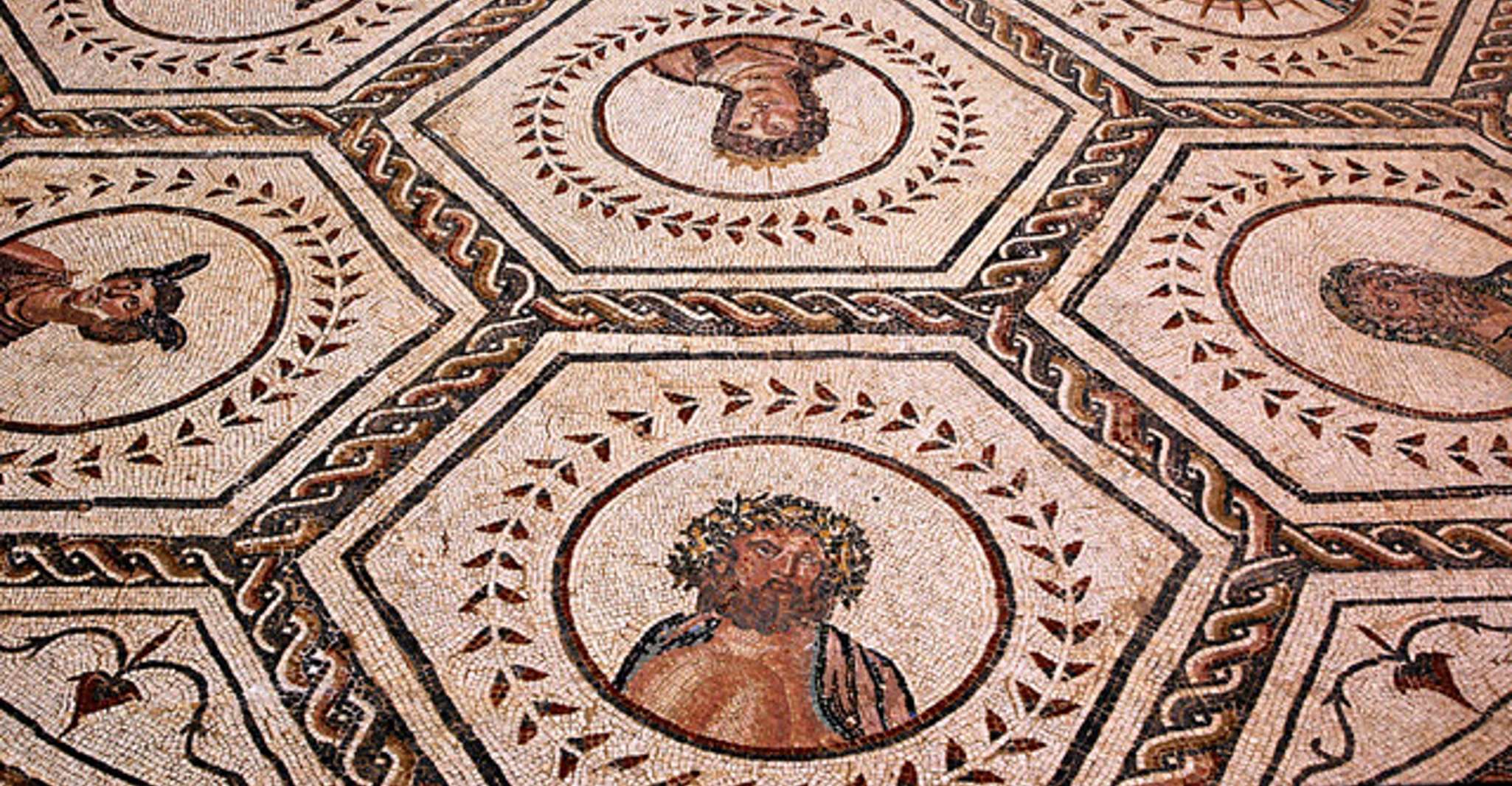
Throughout the palace, visitors will find an array of vibrant traditional glazed tiles, showcasing the artistic prowess of the time. Additionally, guests can learn about how the Casa de Pilatos incorporated the Renaissance aesthetic into Seville's architectural landscape, making it a significant landmark in the city's history.
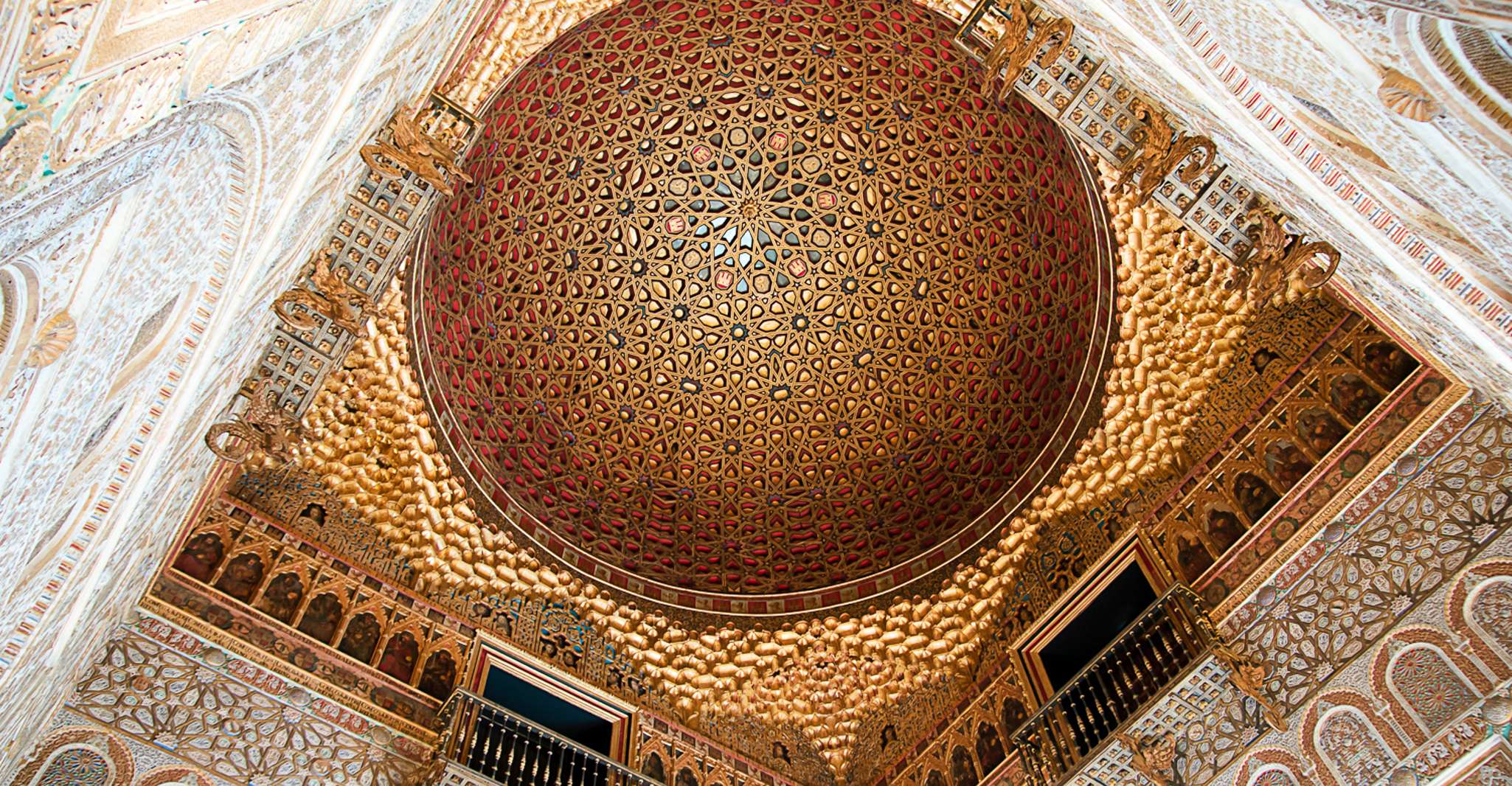
Finally, the Salón del Pretorio offers a stunning glimpse into the palace's opulence with its intricate coffered ceiling adorned with decorative patterns. This room provides a fascinating insight into the grandeur of the era and the craftsmanship that went into creating such magnificent structures.
 Book
Book
| Highlights |
|
|---|---|
| Includes |
|

Free cancellation
Cancellation requests made at least 24 hours prior will result in a full refund.

Reserve now & pay later
Please maintain flexibility with regard to your travel arrangements. Make reservations and settle payments at this time without obligation.

Valid 1 day
Verify the availability to ascertain the commencement times.
Host or greeter
The Spanish language is spoken primarily in Spain and certain regions of North America, particularly in Mexico and Central and South America. It is one of the most widely spoken Romance languages globally and is known for its rich cultural heritage, including literature, music, and cuisine. The official language of both Spain and Gibraltar, Spanish also plays an important role in various international organizations and diplomatic relations.
Audio guide included
The languages mentioned are Spanish, French, English, Portuguese, German, Japanese, and Italian.
From
12€Per Person
Please maintain flexibility with regard to your travel arrangements. Make reservations and settle payments at this time without obligation.
 Give as a gift
Casa De Pilatos, Seville, Spain  See on map
Casa de Pilatos is a historically significant building located in Seville, Spain. It was constructed in the 15th century and serves as a testament to the architectural prowess of the time, incorporating elements of Renaissance, Mudejar-Gothic, and Christian-Islamic styles.
During the guided tour of Casa de Pilatos, visitors can enjoy panoramic views of the courtyard adorned with intricate murals, a leisurely stroll through expansive garden spaces, marvel at meticulously crafted sculptures, and access the extensive array of artistic masterpieces housed within the museum's collections.
Notable sculptures in the palace include those of Roman emperors, fountains inspired by the Andalusian courtyard tradition, busts of Emperor Hadrian, Aphrodite, and Apollo, and the shield and helmet carved from stone depicting the goddess Pallas Pacifera.
Casa de Pilatos incorporates the Renaissance aesthetic into Seville's architectural landscape by blending elements of Christian, Islamic, and Gothic styles with Mudejar-Gothic and Renaissance architecture, making it a significant landmark in the city's history.
10
Excelent

Seville, Spain
10
Excelent
Seville, Spain
10
Excelent
Seville, Spain
10
Excelent
Seville, Spain
10
Excelent
Seville, Spain
10
Excelent
Seville, Spain
10
Excelent
Seville, Spain
10
Excelent

Seville, Spain
9.8
Excelent
Seville, Spain
9.6
Excelent
Seville, Spain
9.6
Excelent
Seville, Spain
9.6
Excelent

Seville, Spain
9.5
Excelent
Seville, Spain
9.5
Excelent
Seville, Spain
9.5
Excelent
Seville, Spain
9.5
Excelent
Seville, Spain

Subscribe to our newsletter and get the best offers!
By entering your email address, you consent to receive automatically generated personalized commercial proposals, including proposals and offers of products and services from us and selected third parties (your data will not be shared with them). For more information or to revoke your consent, please refer to our Privacy Policy (you can also unsubscribe by clicking on the link in the email).