








Choose your language
The site will open on the domain of the language you choose.

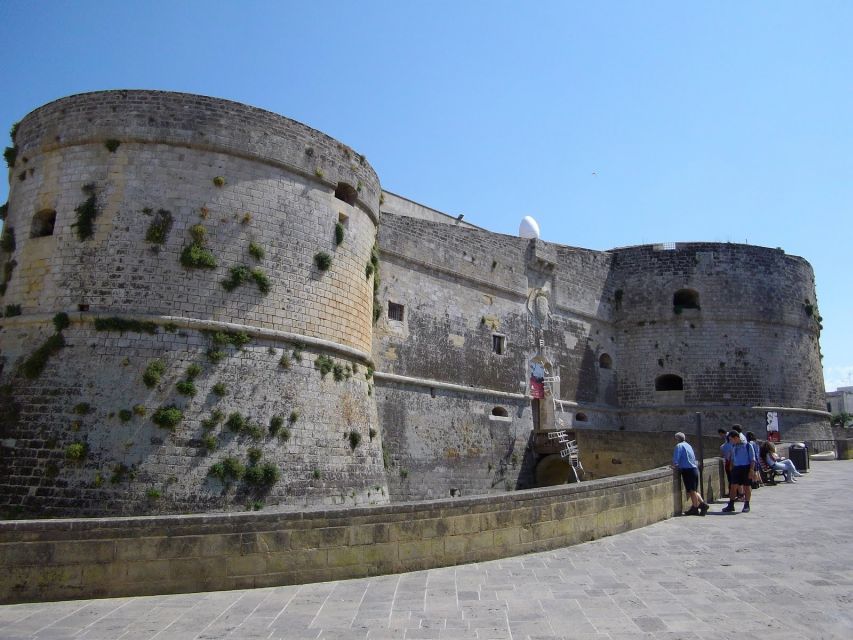
 Aragonese Castle Of Otranto, Otranto, Italy
Otranto, located more to the east of Italy, served as a crucial junction connecting the Western and Eastern worlds through its maritime ports. Over time, numerous ships and individuals traversed these waters, significantly influencing both the city's physical landscape and its cultural heritage.
Otranto, situated more easternly than Italy, served as a pivotal link between the Western and Eastern worlds throughout history. Its port, which once welcomed countless vessels from across the Mediterranean, was instrumental in facilitating trade, migration, and cultural exchange among various civilizations. These maritime connections brought with them diverse populations, knowledge, and technological advancements, leaving lasting imprints on the local culture.
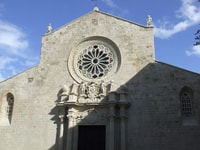
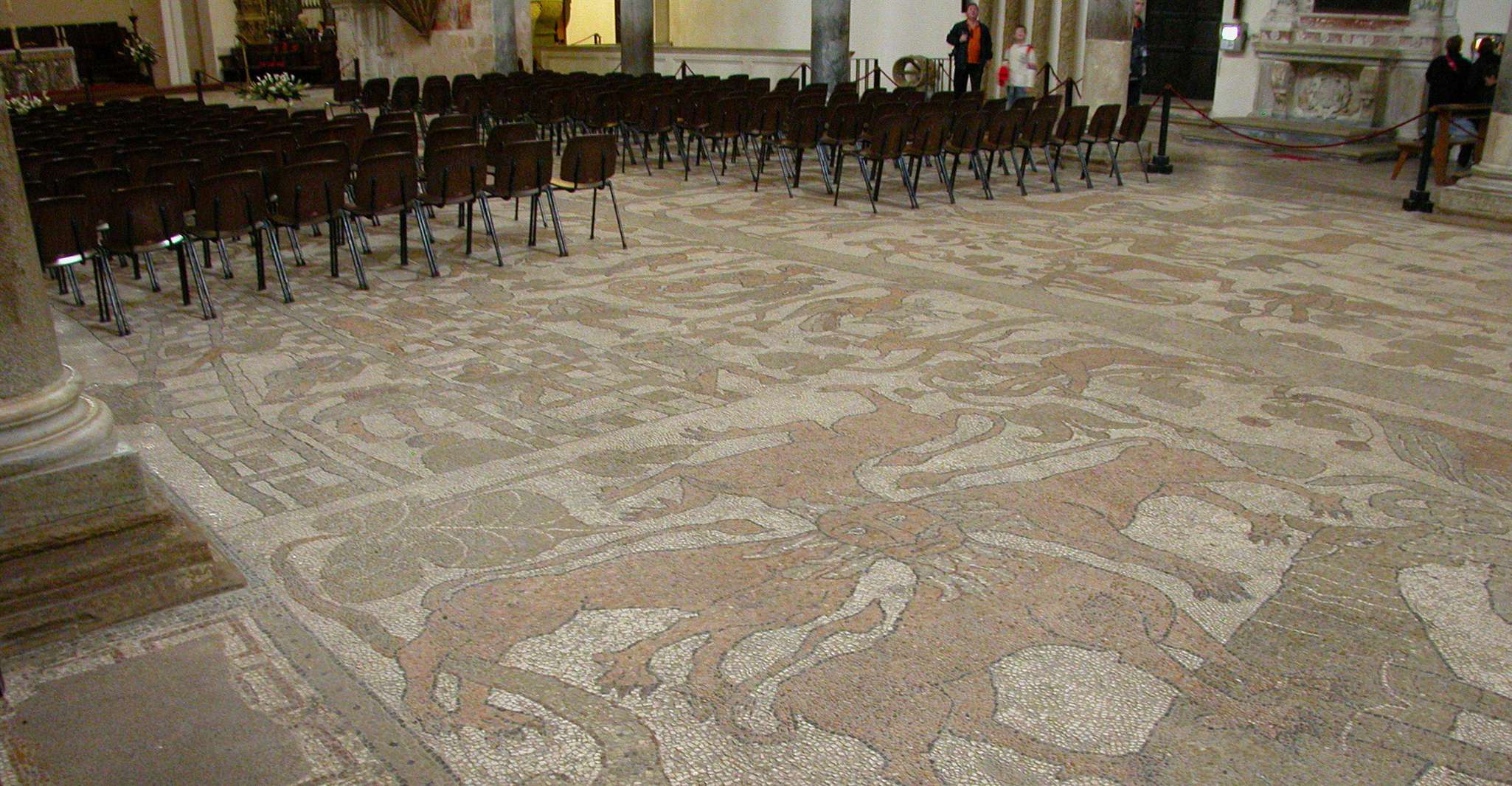
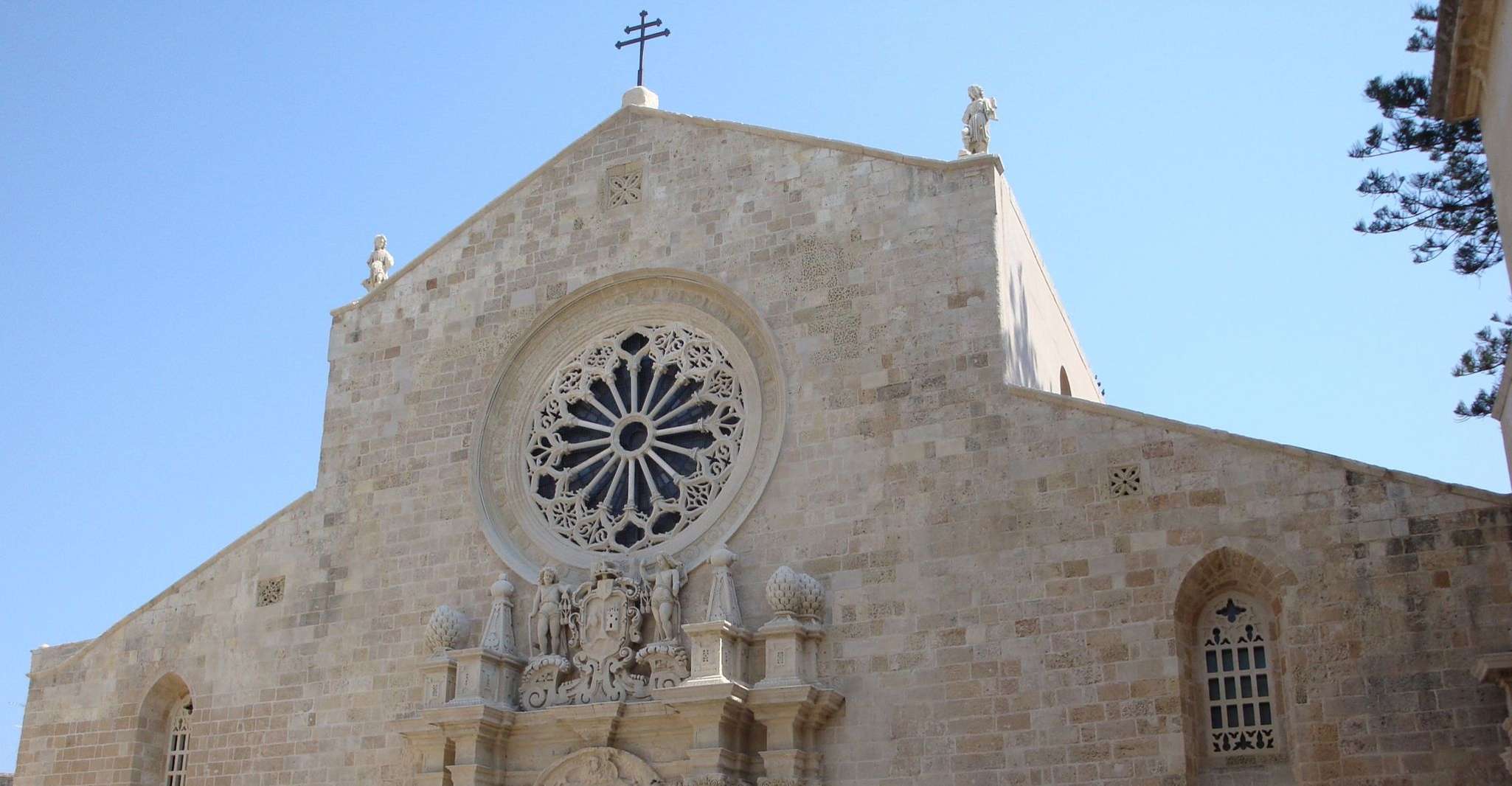
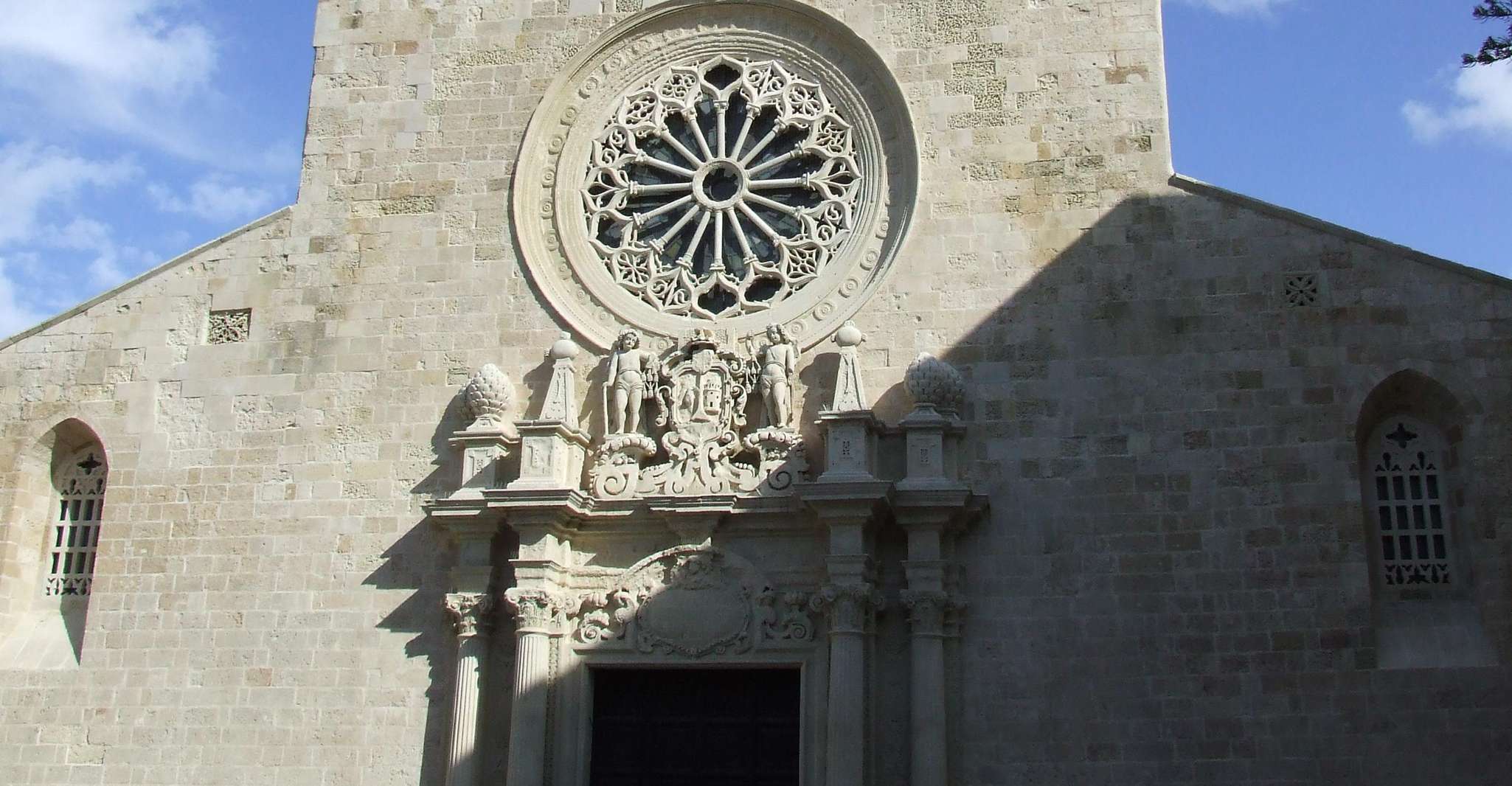
Each successive era contributed to shaping Otranto's unique identity. Churches such as the magnificent Norman Cathedral, dedicated to the SS Annunziata, stand testament to the rich tapestry woven by these historical influences. Constructed during the eleventh century by Moncada Pantaleone, this cathedral features a stunning pavement mosaic that dates back to 1163. Visitors can explore the tragic events that unfolded in Otranto in 1480, witnessing the Ottoman conquest and the subsequent massacre at the church known for containing the relics of the Holy Martyrs.
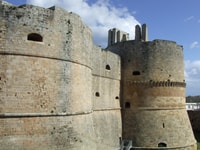
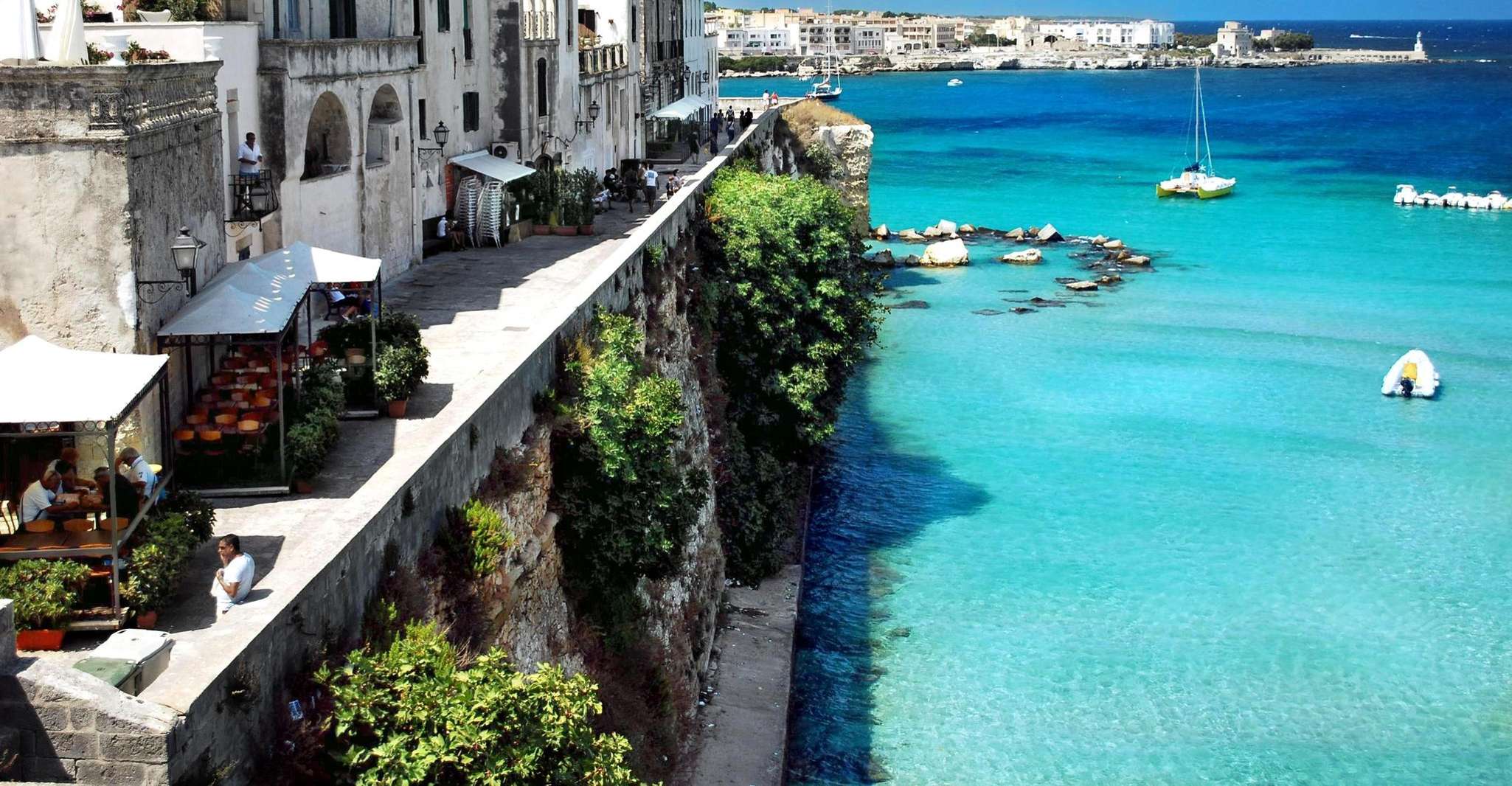
The town's fortified citadel offers another captivating destination, where one can admire the impressive Aragonese Castle, constructed after the city's liberation by the Ottomans. This imposing structure showcases the intricate details of medieval architecture, featuring both walls and ditches that reflect the efforts undertaken to rebuild the city post-conquest.
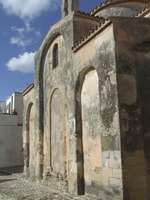
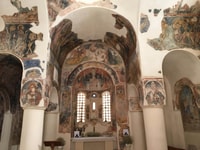
Throughout the tour, visitors will discover numerous sites reflecting the diverse heritage of Otranto. From the Byzantine Church of San Pietro, a marvelously preserved monument dating back to the ninth and tenth centuries, to the crypt adorned with intricately carved columns, each stop promises a journey into the past, allowing residents and tourists alike to relive the extraordinary history of this historic city.
 Book
Book
| Itinerary |
|
|---|---|
| Highlights |
|
| Includes |
|

Free cancellation
Cancellation up to two days prior shall entitle you to a full refund.

Reserve now & pay later
Please maintain flexibility in your travel arrangements by booking your preferred accommodation or activity and paying nothing at this time.

Duration 2 hours
Verify the schedule for available start times.

Live tour guide
Italian is an official language of Italy, one of the most populous countries in Europe. It belongs to the Romance language family and shares similarities with other languages such as French, Spanish, and Portuguese. Italian has been spoken for centuries and continues to be an important cultural and economic force in the world today.
Wheelchair accessible
Please provide me with the original text that needs to be rewritten in a formal manner.
Small group
Restricted to a maximum of eight attendees.
From
25€Per Person
Please maintain flexibility in your travel arrangements by booking your preferred accommodation or activity and paying nothing at this time.
 Give as a gift
Aragonese Castle Of Otranto, Otranto, Italy  See on map
Otranto, being more easternly than Italy, played a crucial role in serving as a vital crossroads for the Western and Eastern worlds via its maritime ports. This strategic position facilitated extensive maritime traffic, including the passage of countless ships and individuals.
The port of Otranto, welcoming vessels from across the Mediterranean, significantly influenced its growth and prosperity. It became an important hub for trade, migration, and cultural exchanges, bringing diverse populations and fostering intellectual and technological advancements.
Otranto boasts several notable architectural landmarks. The Norman Cathedral, dedicated to the SS Annunziata, stands as a testament to the region's rich history. Constructed in the eleventh century by Moncada Pantaleone, the cathedral features a stunning pavement mosaic from 1163, showcasing exquisite craftsmanship. Other significant structures include the Byzantine Church of San Pietro and the Aragonese Castle, both offering insights into the diverse heritage of Otranto.








9.7
Excelent

Otranto, Italy
9.5
Excelent
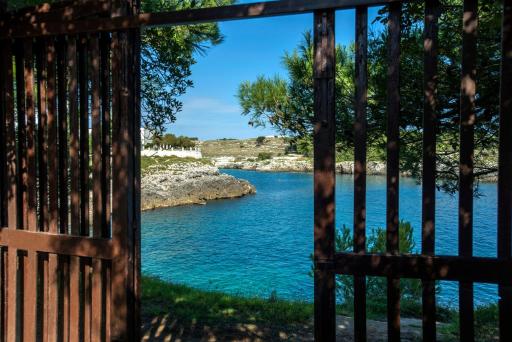
Otranto, Italy
9.5
Excelent
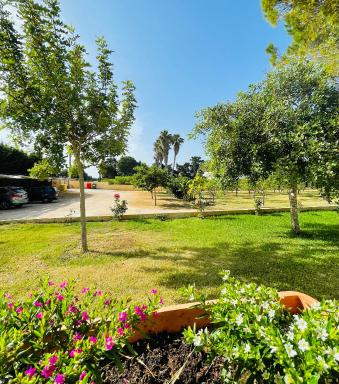
Otranto, Italy
9.3
Excelent

Otranto, Italy
9.3
Excelent
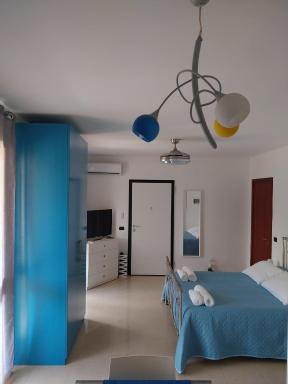
Otranto, Italy
9.2
Excelent

Otranto, Italy
9.2
Excelent
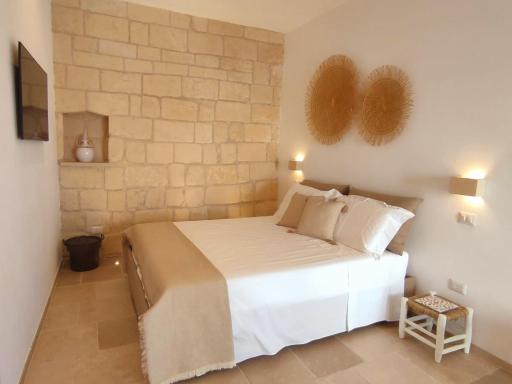
Otranto, Italy
9.2
Excelent
Otranto, Italy

Subscribe to our newsletter and get the best offers!
By entering your email address, you consent to receive automatically generated personalized commercial proposals, including proposals and offers of products and services from us and selected third parties (your data will not be shared with them). For more information or to revoke your consent, please refer to our Privacy Policy (you can also unsubscribe by clicking on the link in the email).