 Español
  Français
  Deutsch
  Italiano
  Nederlands
  Português
  Русский
  中文
中文  日本語
日本語  العربية
  Türkçe
 10
Excelent

 English

 Terezín Memorial - Ghetto Museum, Terezin, Czech Republic
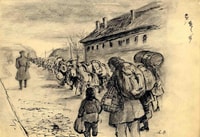
Terezín concentration camp remains an indelible testament to the human cost of Nazi oppression.
10
Excelent
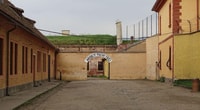
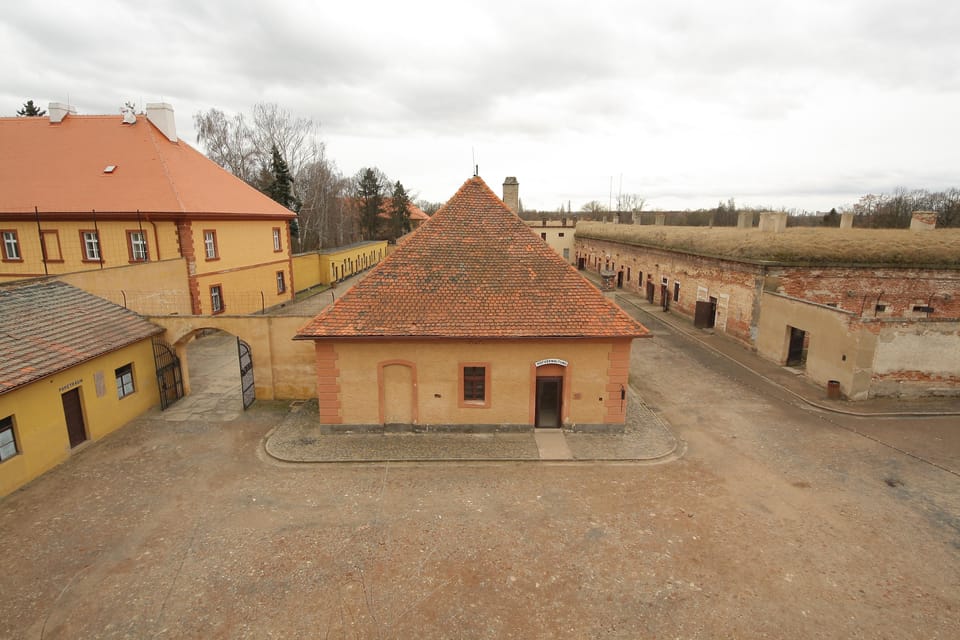
Terezin, located in the Czech Republic, has recently emerged as a poignant testament to the suffering endured by those targeted by the Nazi regime during World War II. As one of the few institutions dedicated to commemorating this tragedy within the country, the Terezin Memorial serves as a repository for the memory of countless victims who perished under the guise of political and racial persecution.
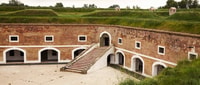
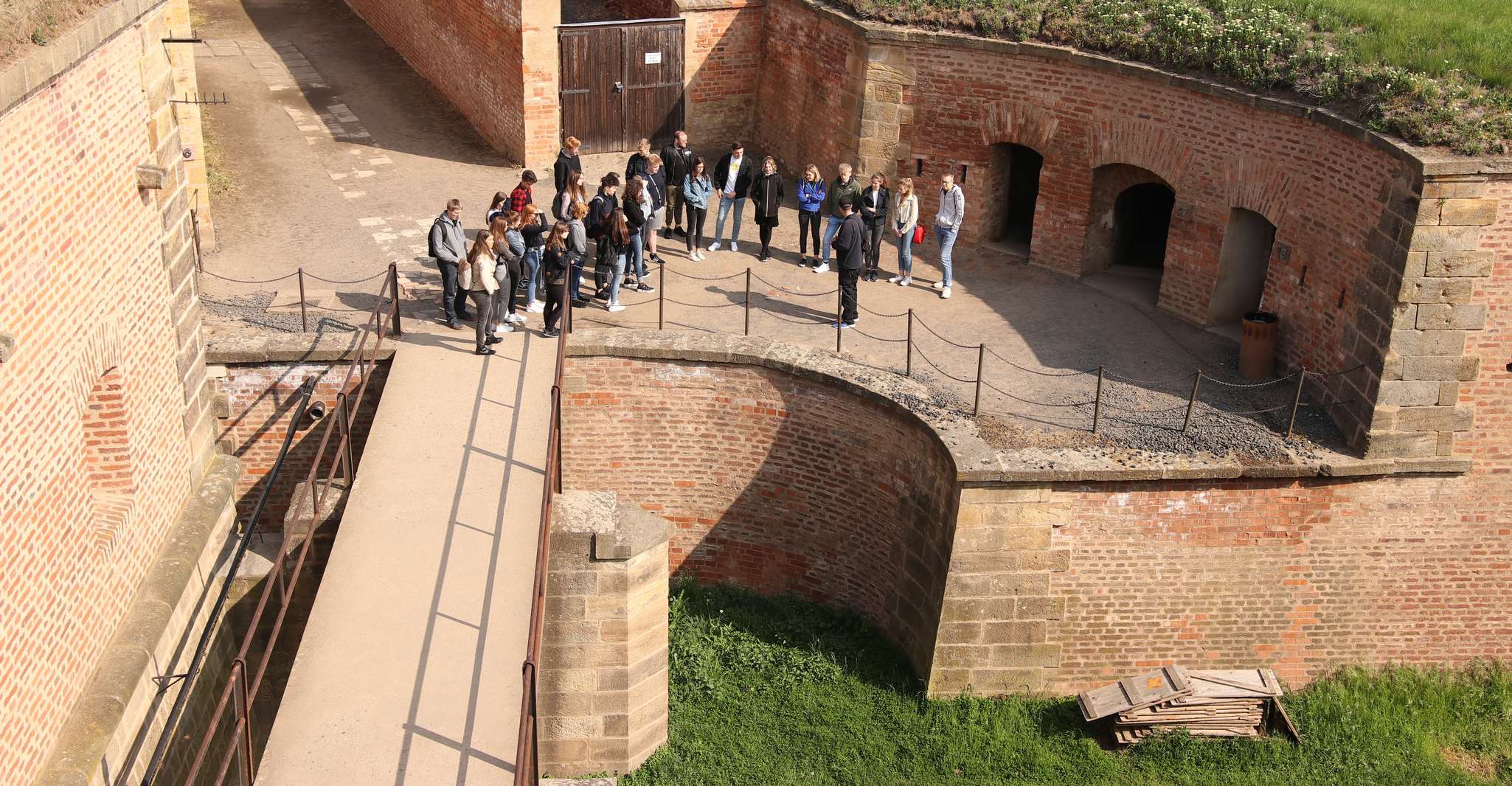
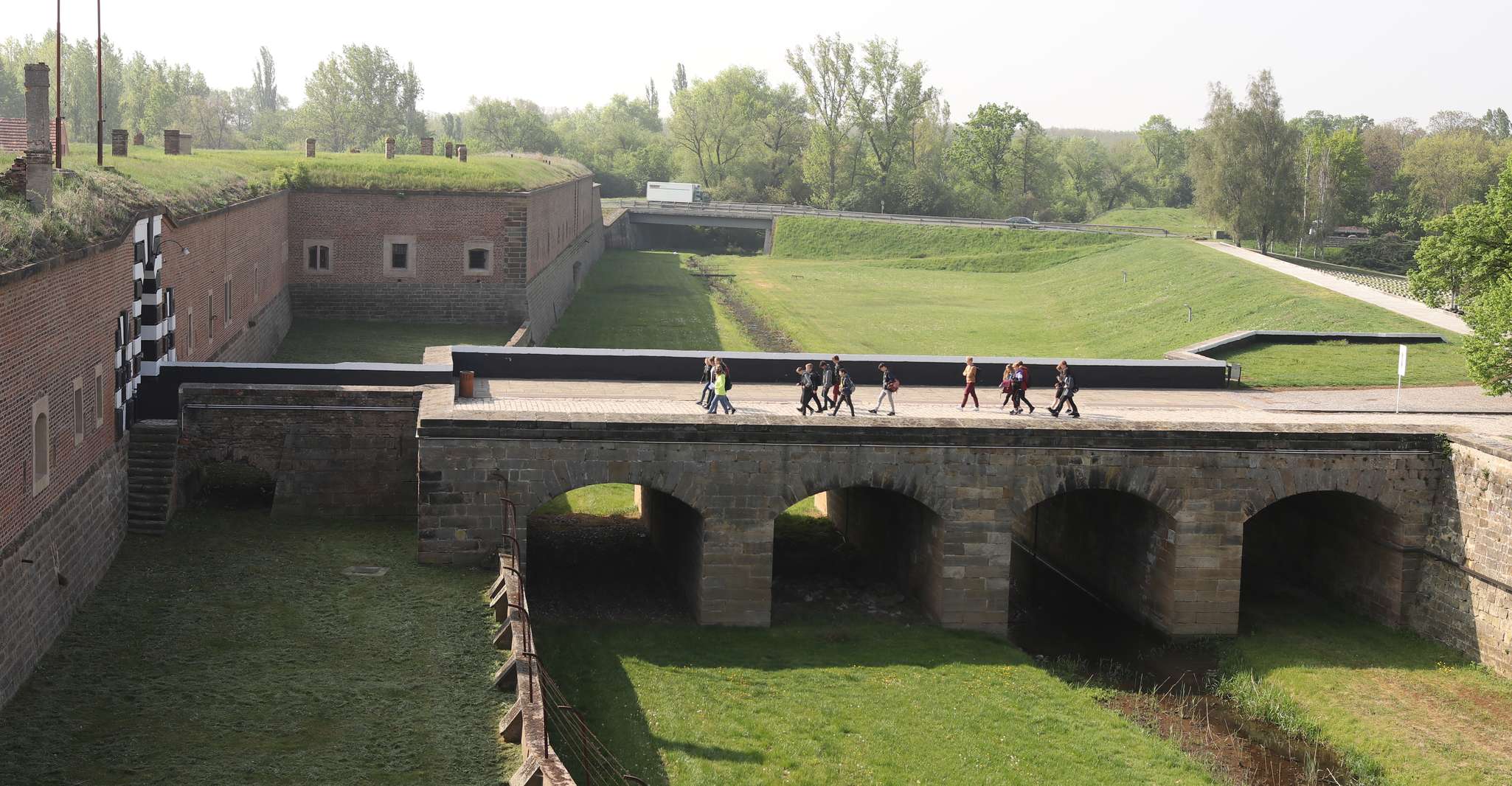
Established in the late 18th century, with its architectural design reflecting the era's advancements, the fortress now houses various programs aimed at educating visitors on the profound impact of Nazi policies. These initiatives encompass both museum exhibits and educational tours, designed to evoke empathy and understanding regarding the human cost of such atrocities.
As our exploration unfolds, we shall embark upon a guided tour of the Terezin Fortress, commencing from the designated meeting point at 9:00 AM. Our journey will take us approximately an hour into the heart of the fortress, where we will encounter a series of informative segments highlighting historical context and technological aspects pertinent to the site's history.
Upon reaching our destination, we will proceed to the adjacent monuments marking significant events, including the site associated with the Anthropoid Operation. Here, we will observe the vibrant urban landscape that once constituted the Jewish ghetto, alongside intricate displays detailing life within the confines of the Holocaust.
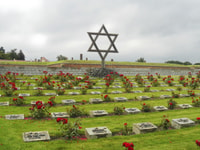
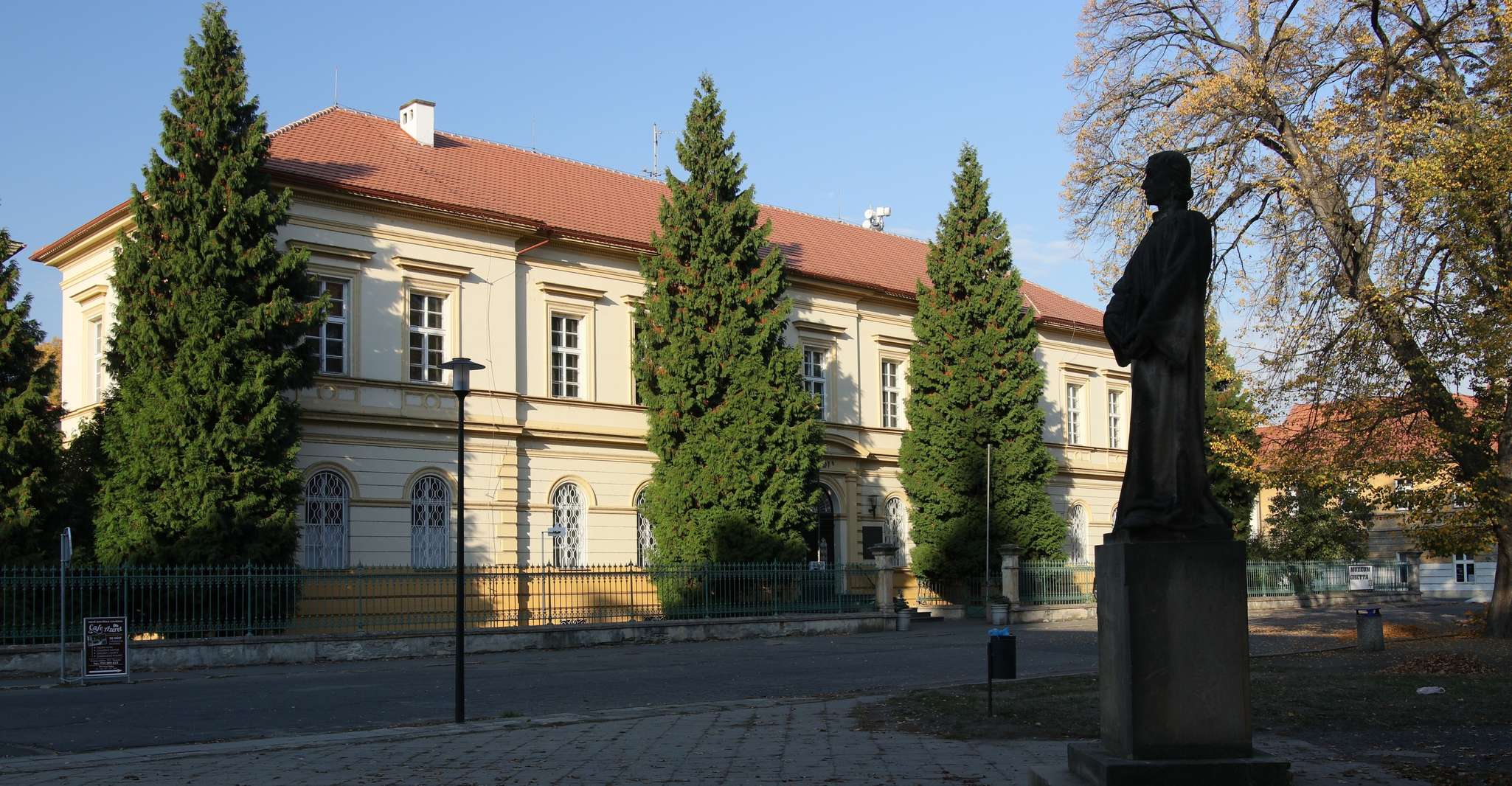
Continuing our ascent, we will navigate through the extensive museum collections, where names, facts, and methodologies have been meticulously documented to provide a comprehensive overview of the plight faced by the Jewish population during this period. Following the museum, we will traverse the National Cemetery, where distinctions between the Ghetto and the extermination camps become evident through detailed explanations offered by our knowledgeable guides.
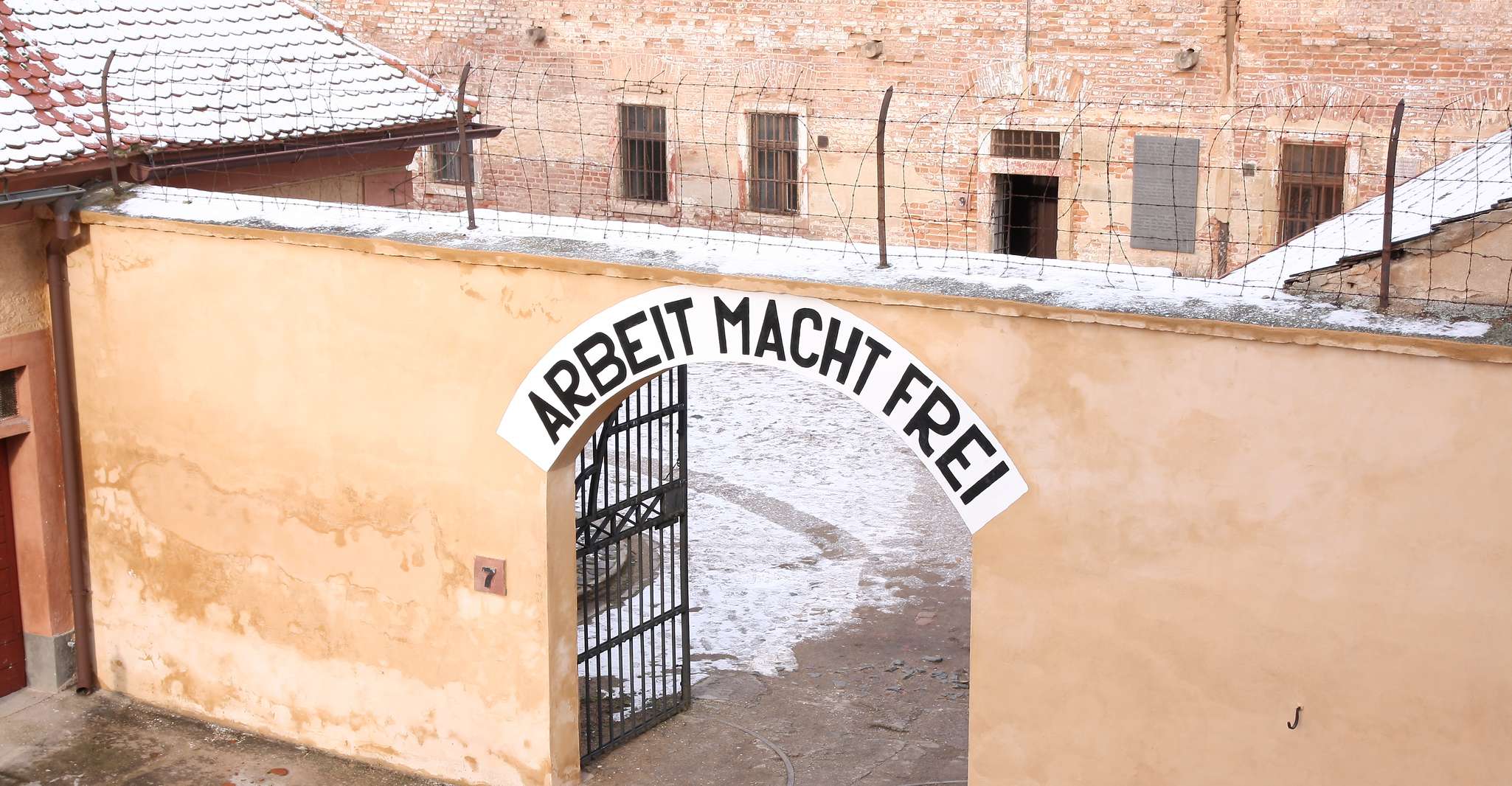
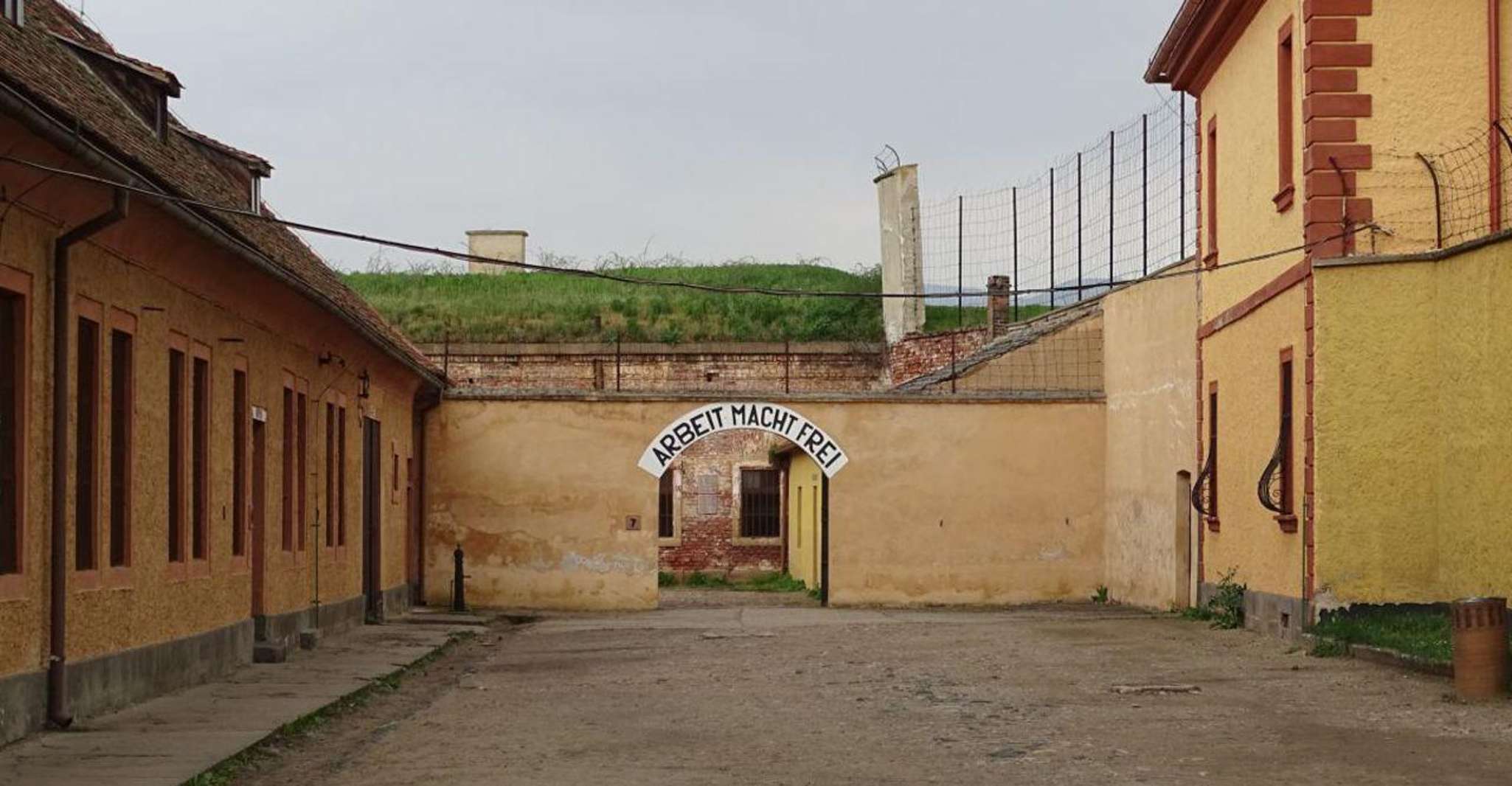
Our final stop will lead us to the "Arbeit Macht Frei" gate, marking the transition from imprisonment to freedom. From here, we will proceed along the pathways familiar to the prisoners themselves, culminating in the Residential Area. This segment offers insights into the living conditions experienced by detainees, providing a stark contrast to the harsh realities they encountered.
Throughout our journey, we will engage with diverse elements—historical narratives, physical landscapes, and emotional responses—that collectively serve to underscore the gravity of the historical narrative surrounding Terezin. Each step taken allows us to confront the specter of oppression and loss head-on, fostering a deeper appreciation for the resilience and courage displayed by those affected by the Nazi regime's actions.
 Book
Book
| Itinerary |
|
|---|---|
| Highlights |
|
| Includes |
|

Free cancellation
Cancellation up to two days prior will result in a full refund.

Reserve now & pay later
Maintain your travel arrangements as fluid as possible; reserve your place now and avoid any financial obligation at this time.

Duration 6 hours
Please verify the availability to ascertain the commencement times.

Live tour guide
Spanish is a Romance language spoken by approximately 500 million people worldwide as a native or second language. It originated from Vulgar Latin and was influenced by various languages such as Gothic, Celtic, Germanic, and Greek. Spanish is an official language in 21 countries across Europe, South America, North America, and Africa. It is also one of the six official working languages of the United Nations. In terms of vocabulary, Spanish shares many similarities with other Romance languages like French, Italian, and Portuguese due to their common roots in Vulgar Latin. However, there are some significant differences between Spanish and these other languages, particularly in grammar and pronunciation. The structure of Spanish sentences follows a Subject-Verb-Object (SVO) order, which is different from many Indo-European languages where the subject typically comes first. Additionally, Spanish uses cases for nouns and pronouns, which adds complexity to its grammatical system compared to English. Some key features of Spanish phonetics include: - **Vowel Harmony**: Spanish has vowel harmony, meaning vowels in a word tend to harmonize with each other based on their type (front vs. back). - **Final Consonant Reduction**: In certain contexts, final consonants can be reduced or omitted, especially when followed by a stressed syllable. - **Accent Marks**: Accents (é, ñ, á, etc.) indicate stress and differentiate words within a single phrase. Despite these differences, Spanish remains a widely used language globally, playing a crucial role in international communication and culture.
Wheelchair accessible
The requested text has been rewritten in a formal manner as per your instructions.
From
57€Per Person
Maintain your travel arrangements as fluid as possible; reserve your place now and avoid any financial obligation at this time.
 Give as a gift
Terezín Memorial - Ghetto Museum, Terezin, Czech Republic  See on map
The Terezín concentration camp remains an indelible testament to the human cost of Nazi oppression, serving as a poignant reminder of the suffering endured by those targeted by the Nazi regime during World War II.


Subscribe to our newsletter and get the best offers!
By entering your email address, you consent to receive automatically generated personalized commercial proposals, including proposals and offers of products and services from us and selected third parties (your data will not be shared with them). For more information or to revoke your consent, please refer to our Privacy Policy (you can also unsubscribe by clicking on the link in the email).