








10
Excelent

Choose your language
The site will open on the domain of the language you choose.

 Bamberg, Germany
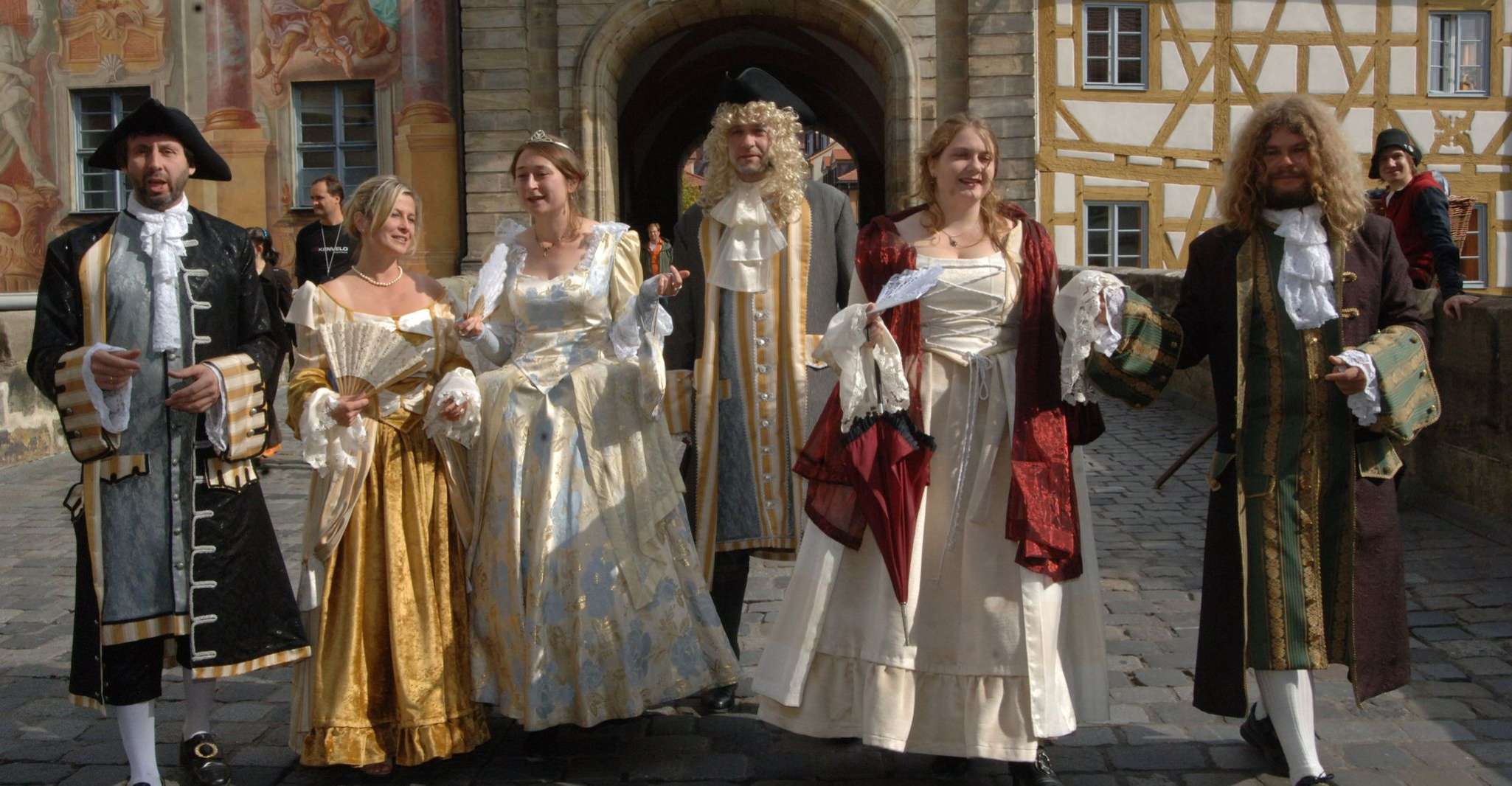
Explore the historical significance of Bamberg, a crucial hub of the German Empire during the 11th century. Immerse yourself in the rich tapestry of medieval life by assuming the persona of a resident from this period, gaining insights into the traditions, customs, and daily experiences of those who inhabited the city.
10
Excelent
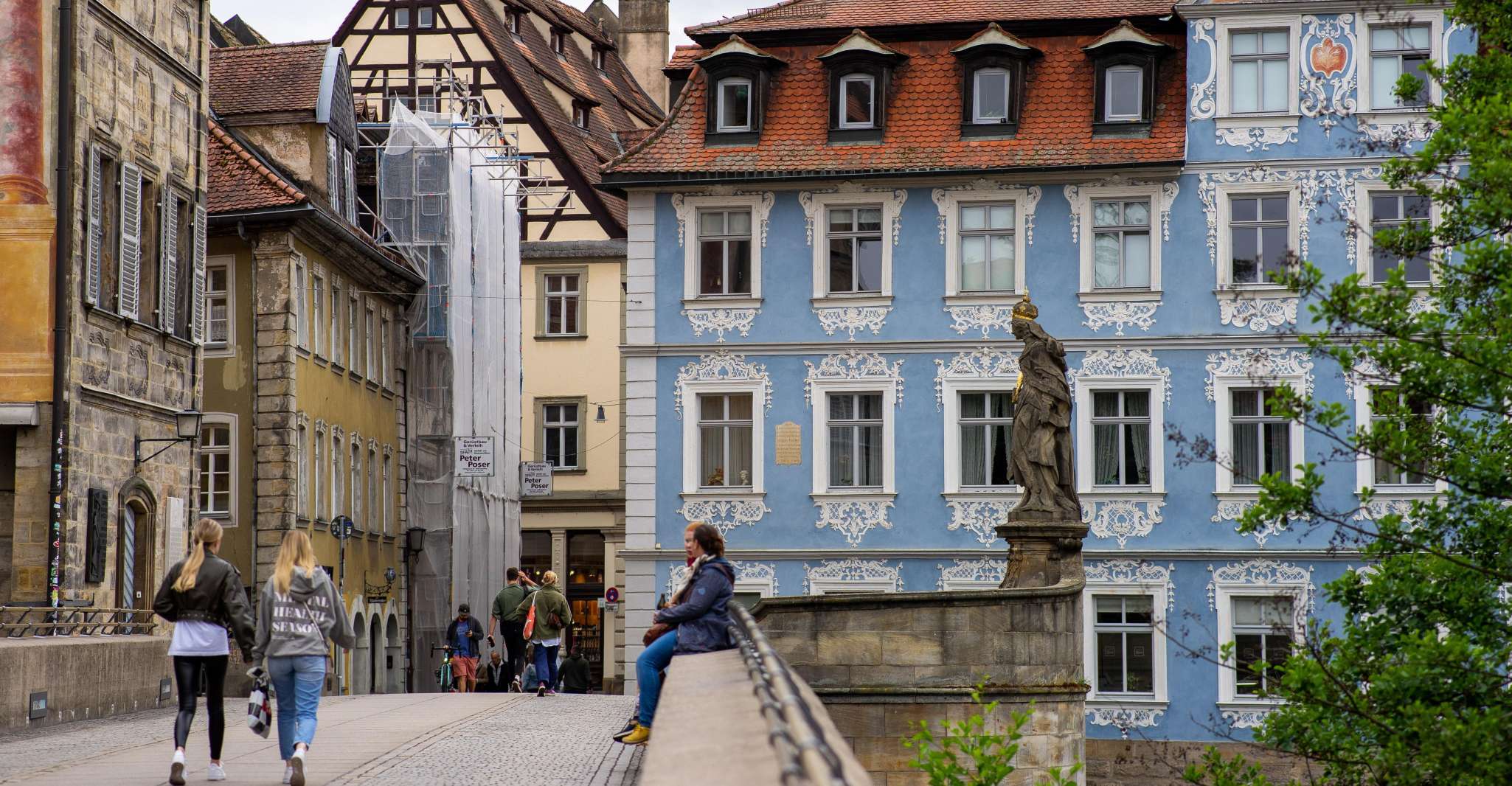
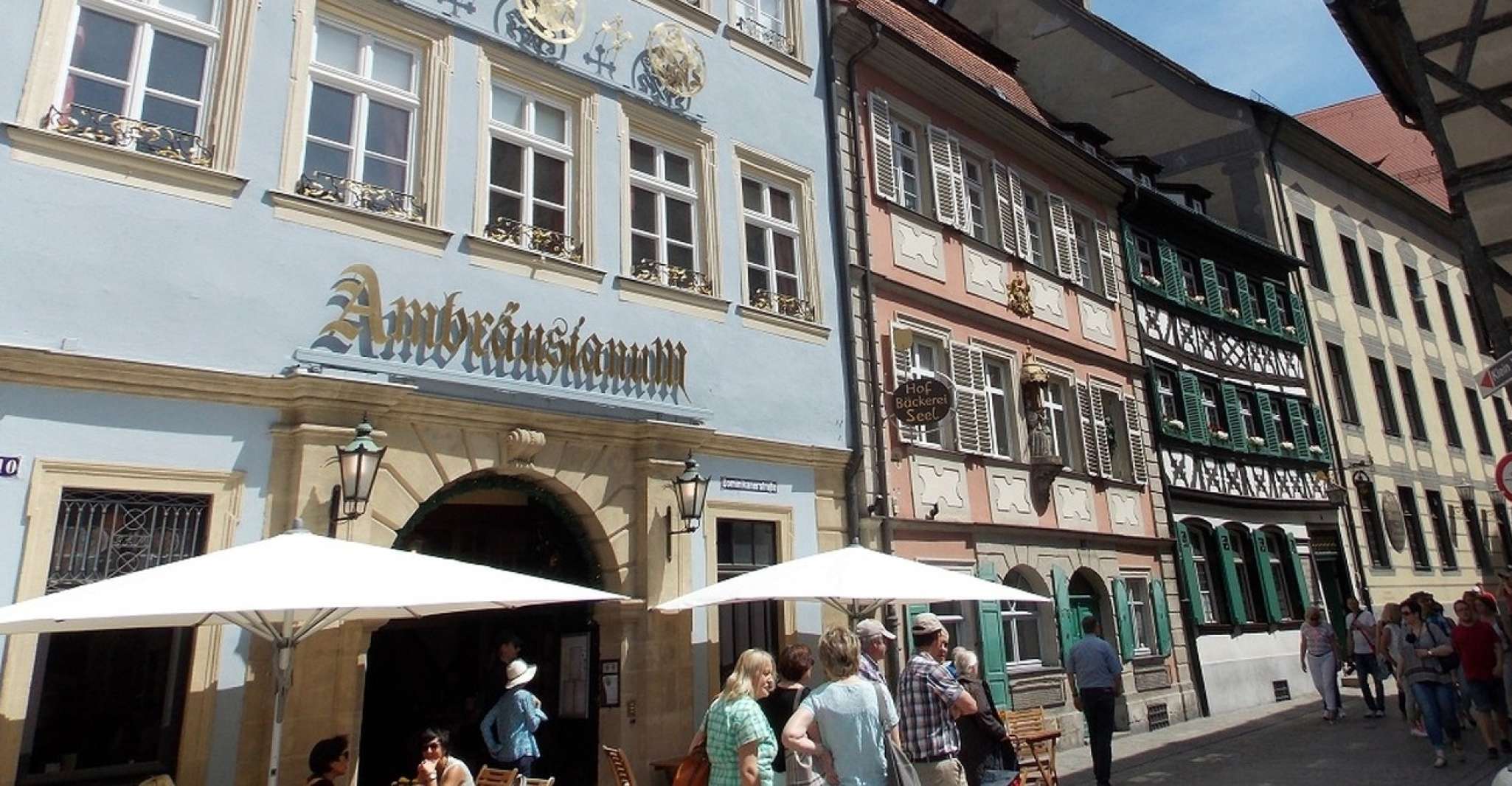
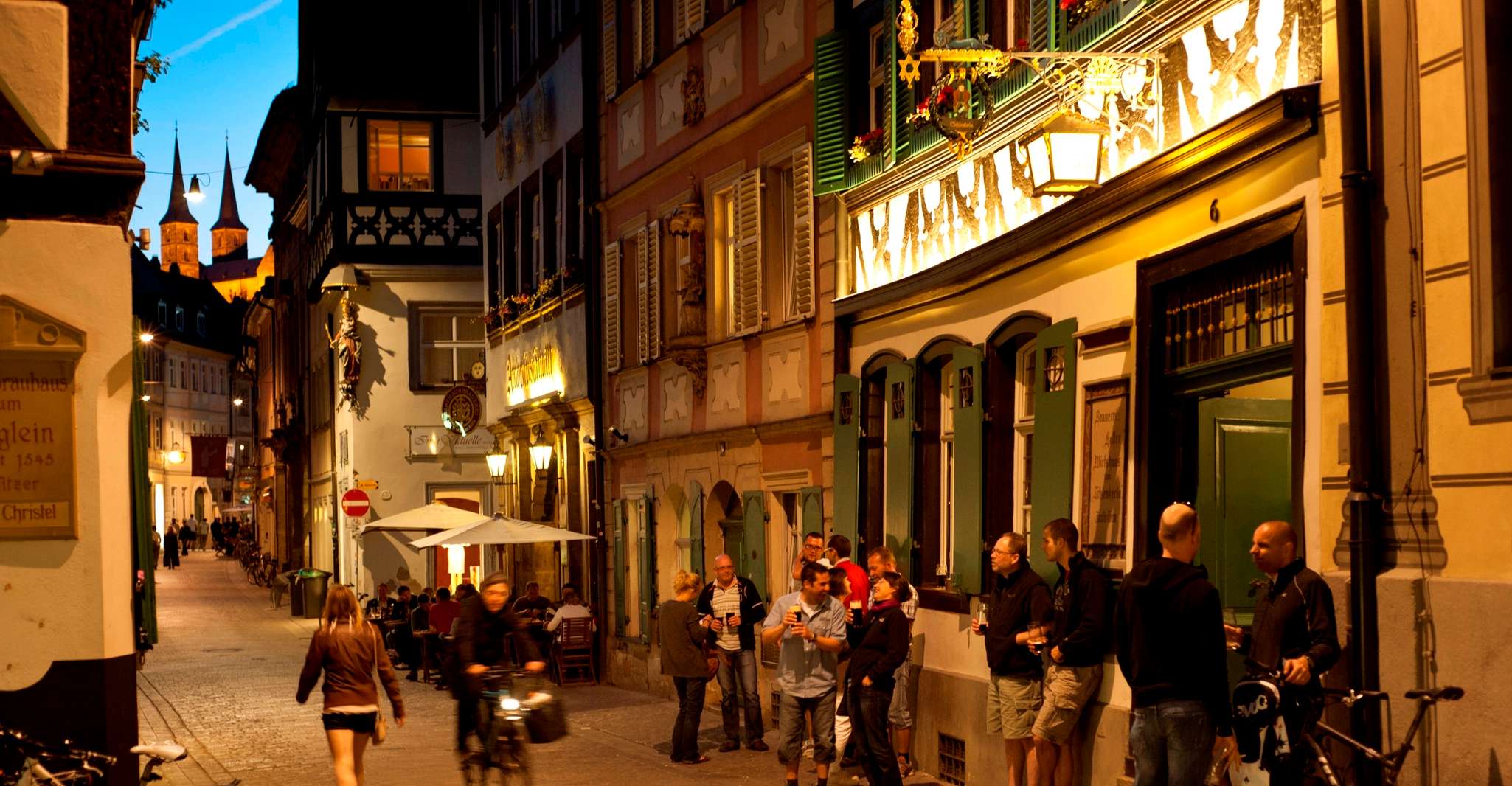
Experience the enchanting allure of medieval magic as you explore the charming town of Bamberg, nestled within UNESCO World Heritage status. This historic site offers an immersive journey through time, where the blend of vibrant colors, intricate architecture, and rich cultural heritage come alive.
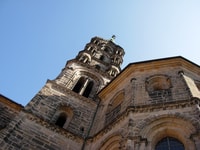
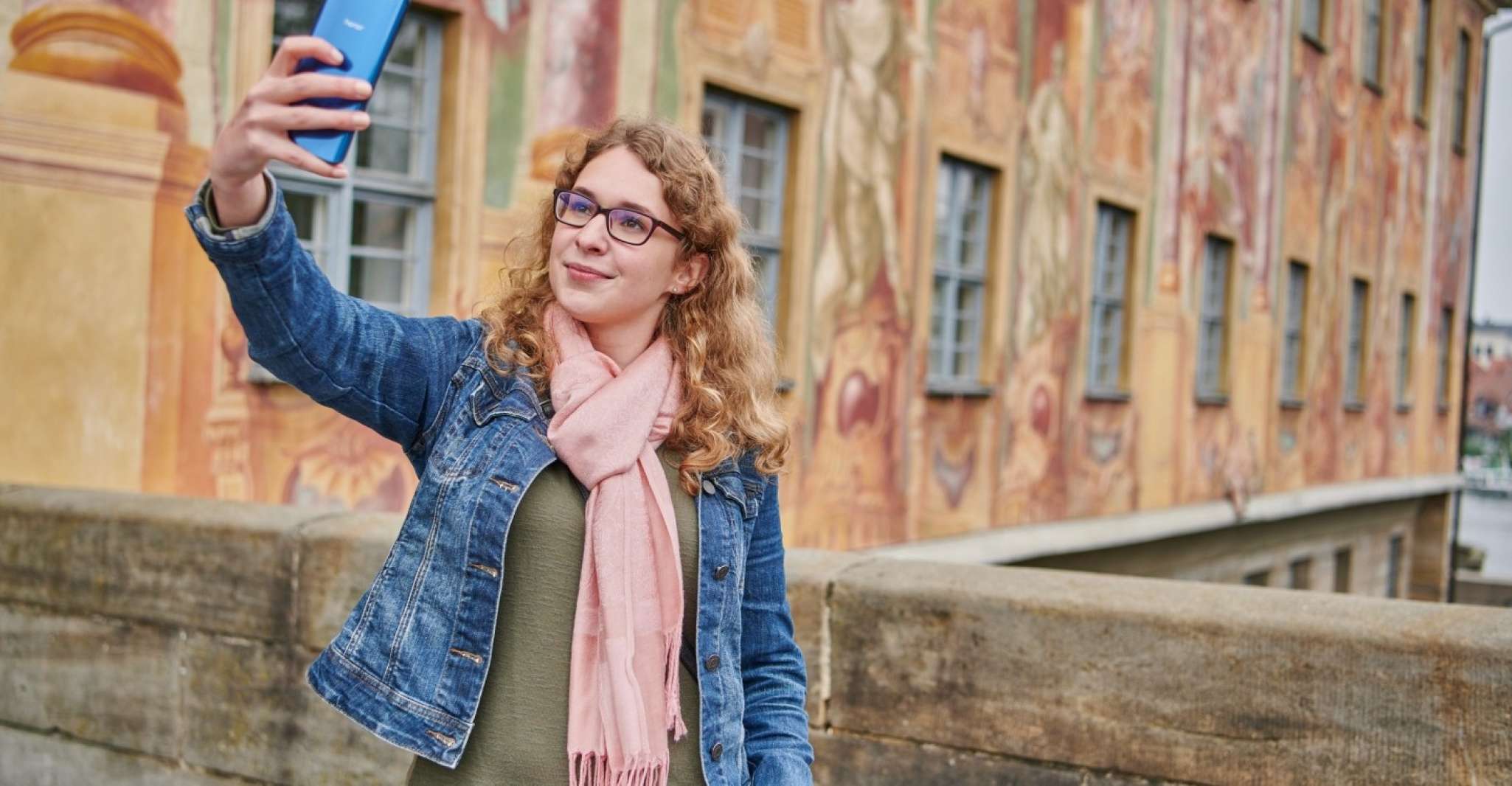
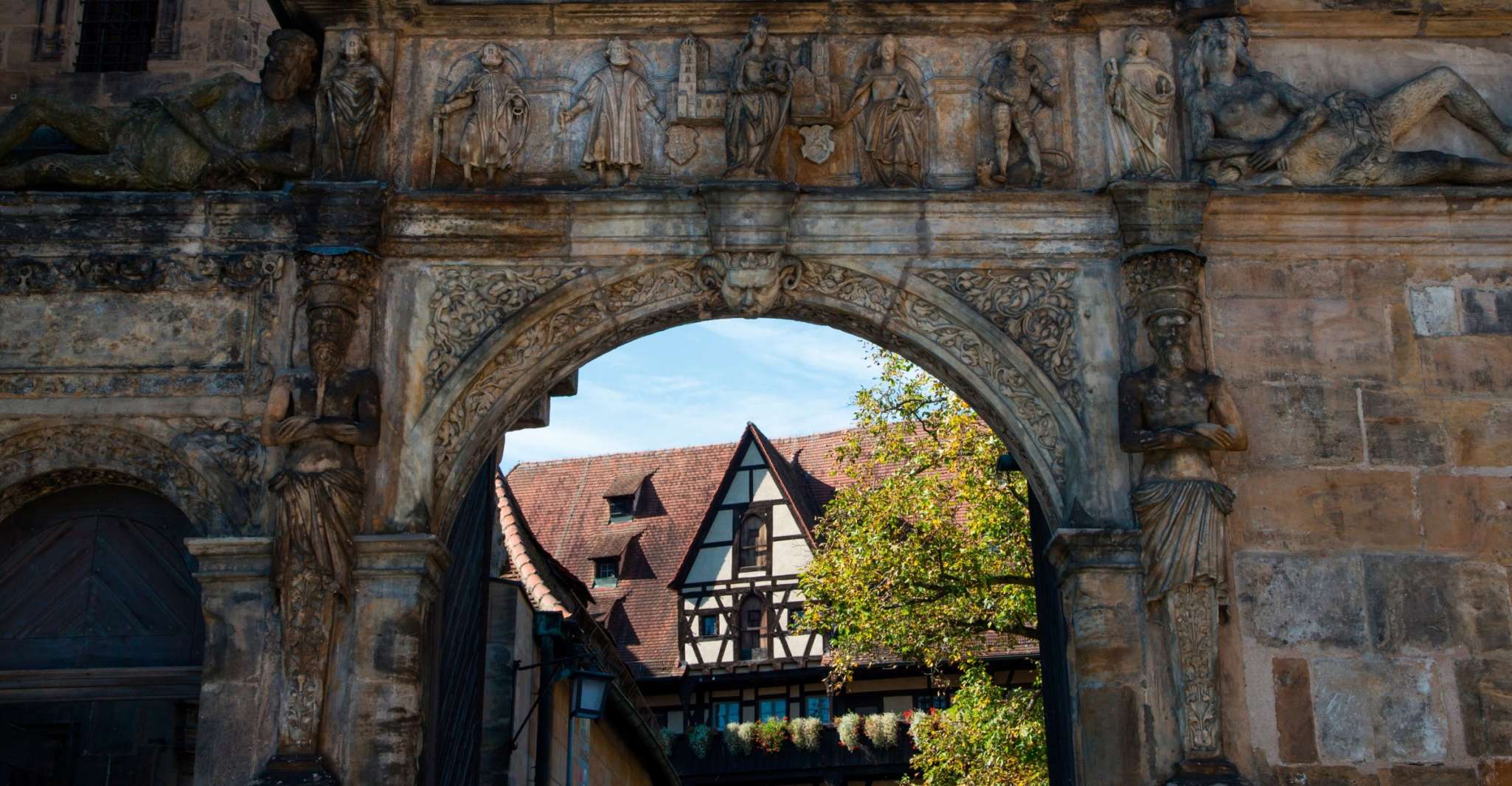
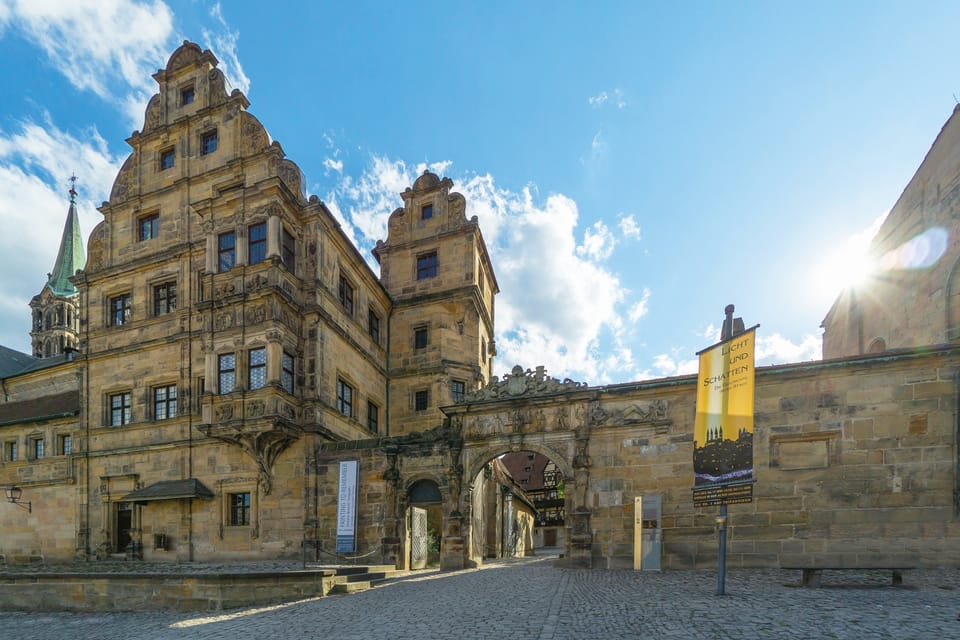
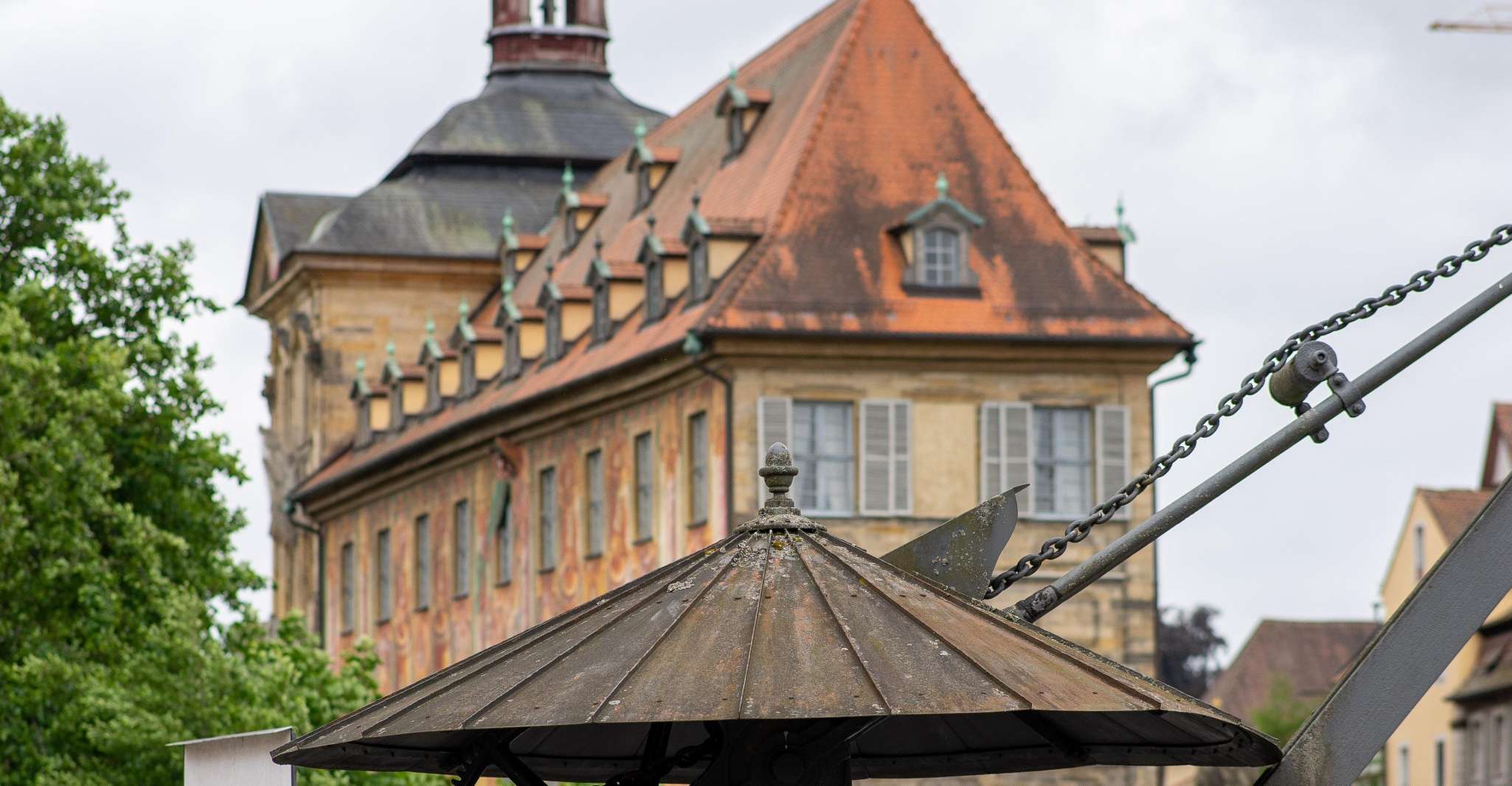
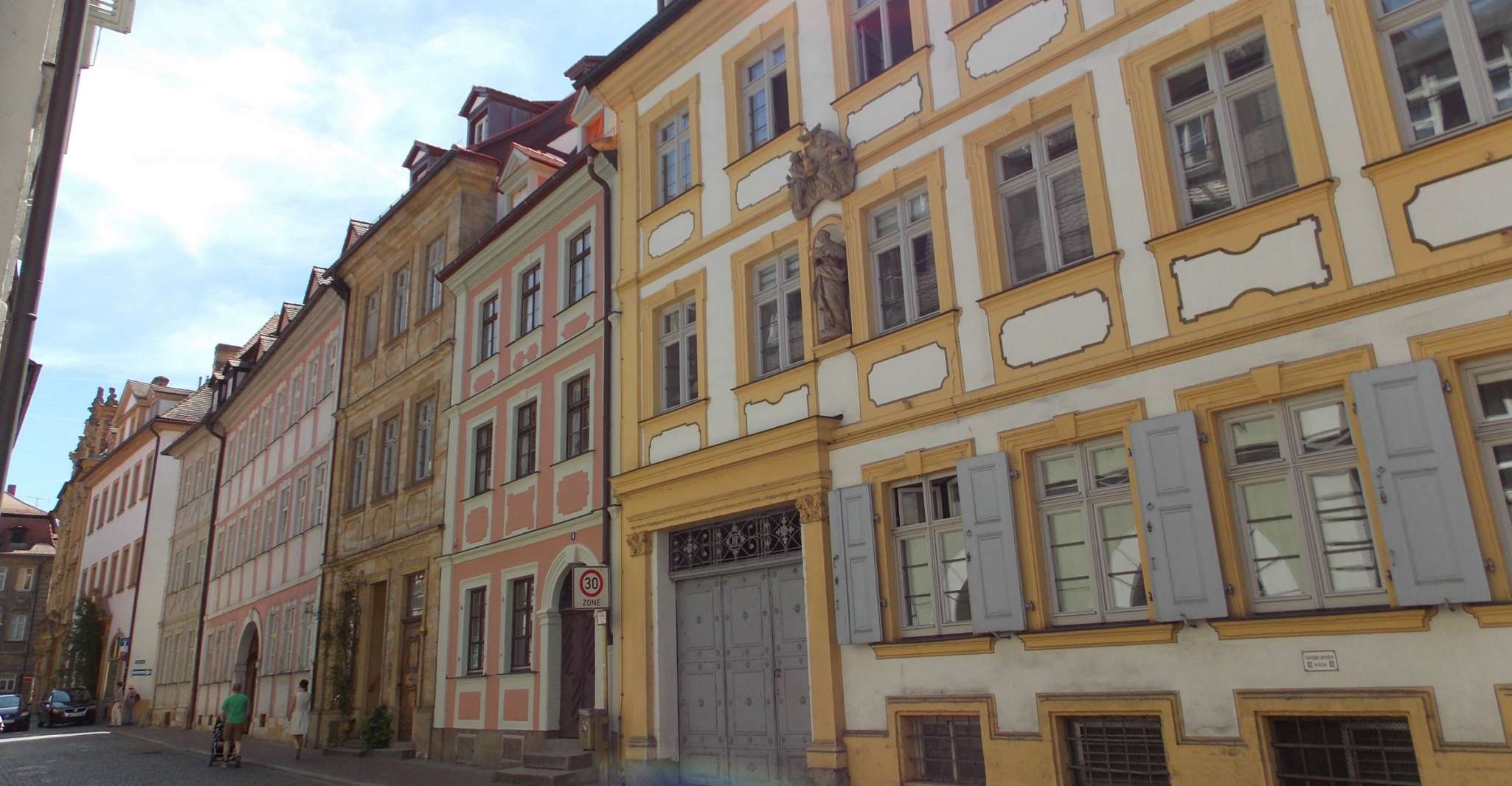
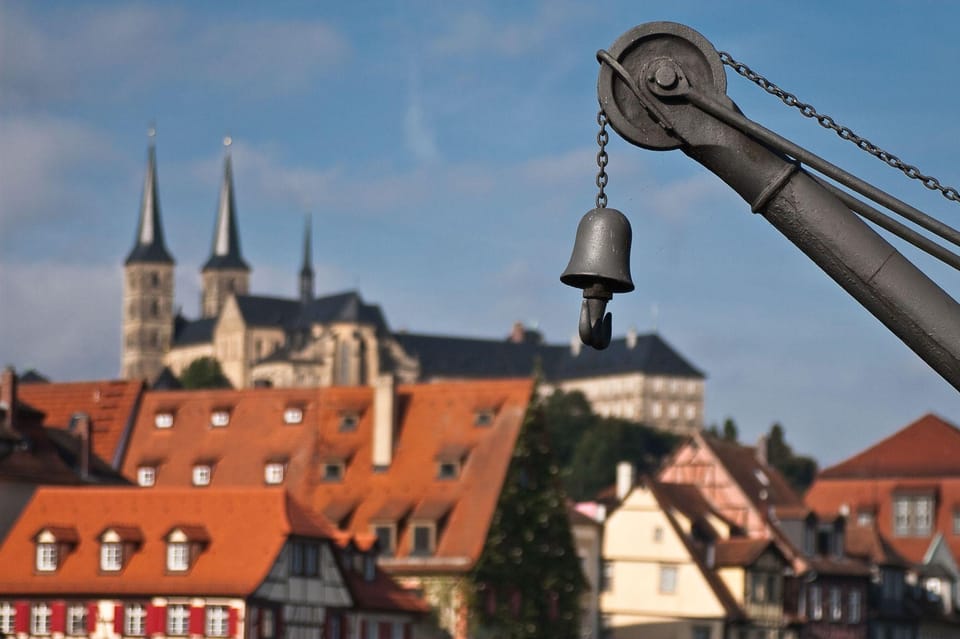
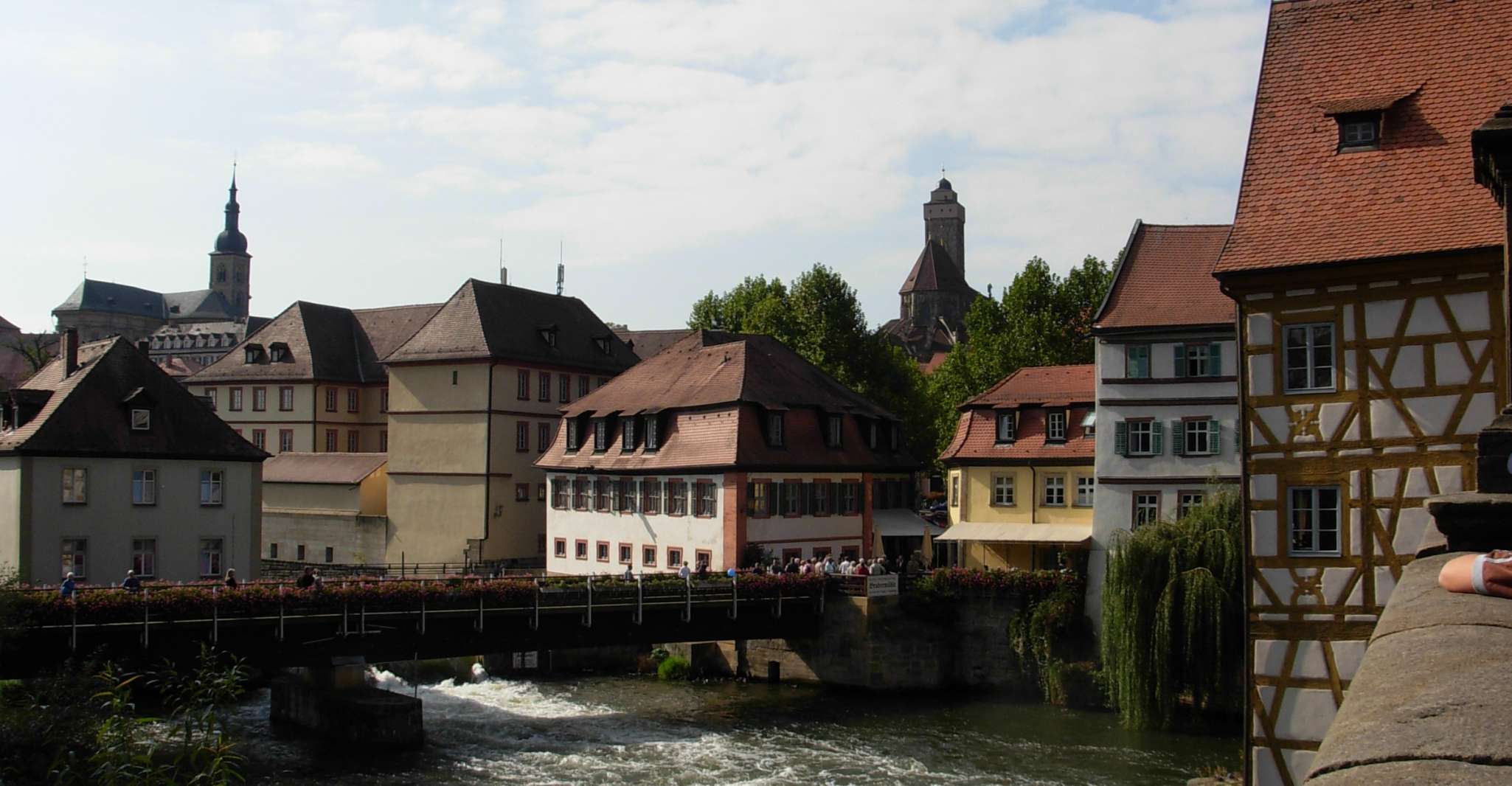
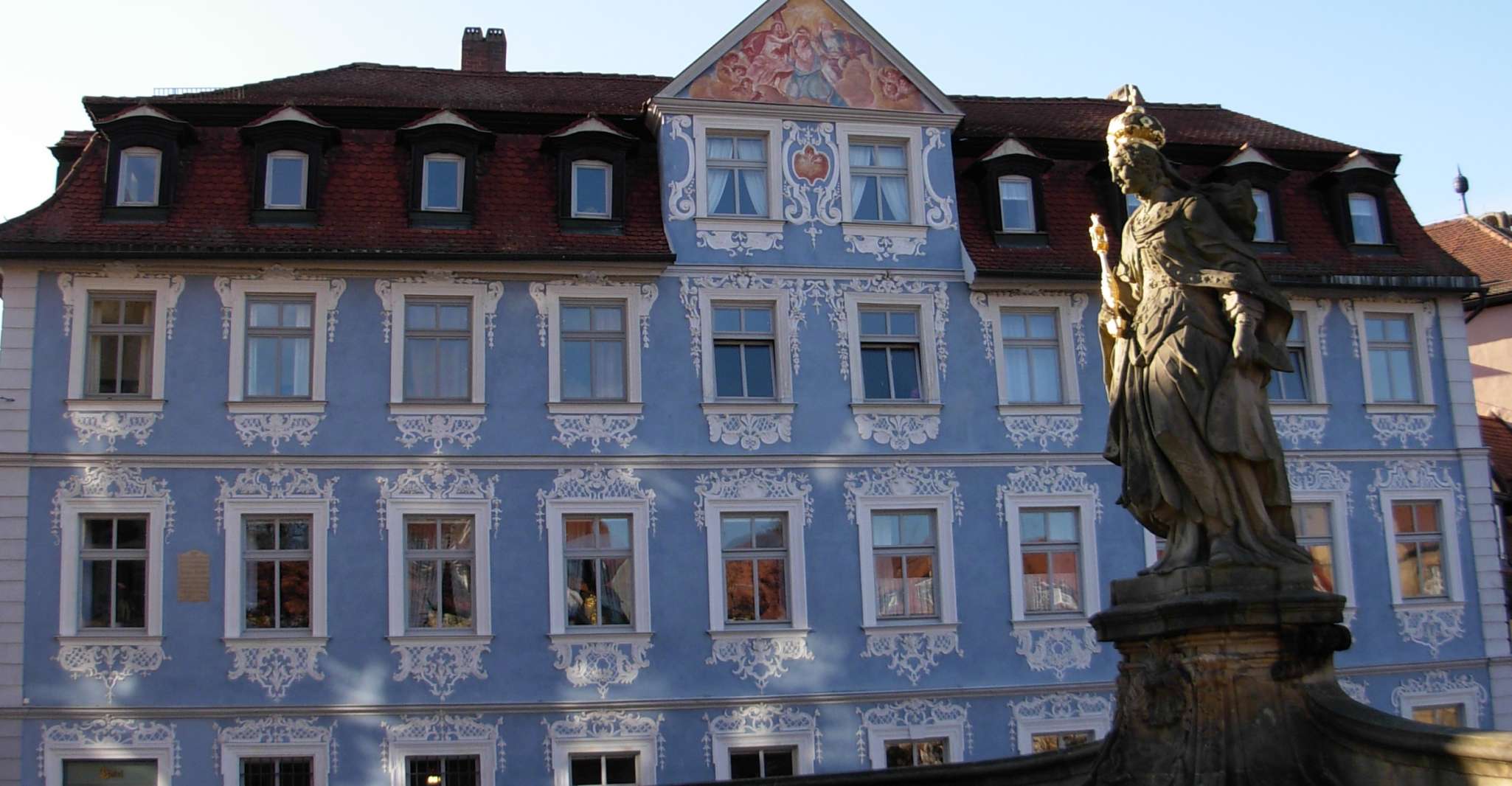
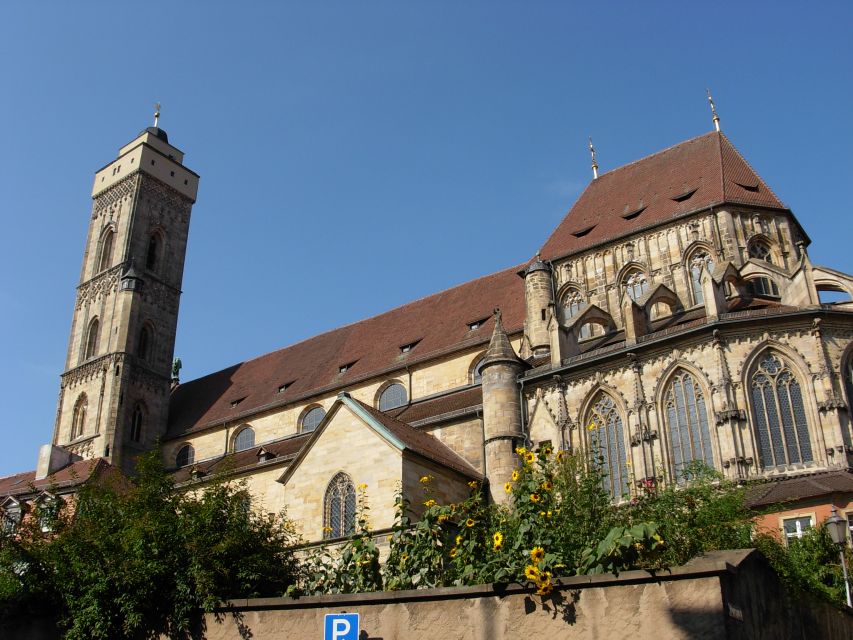
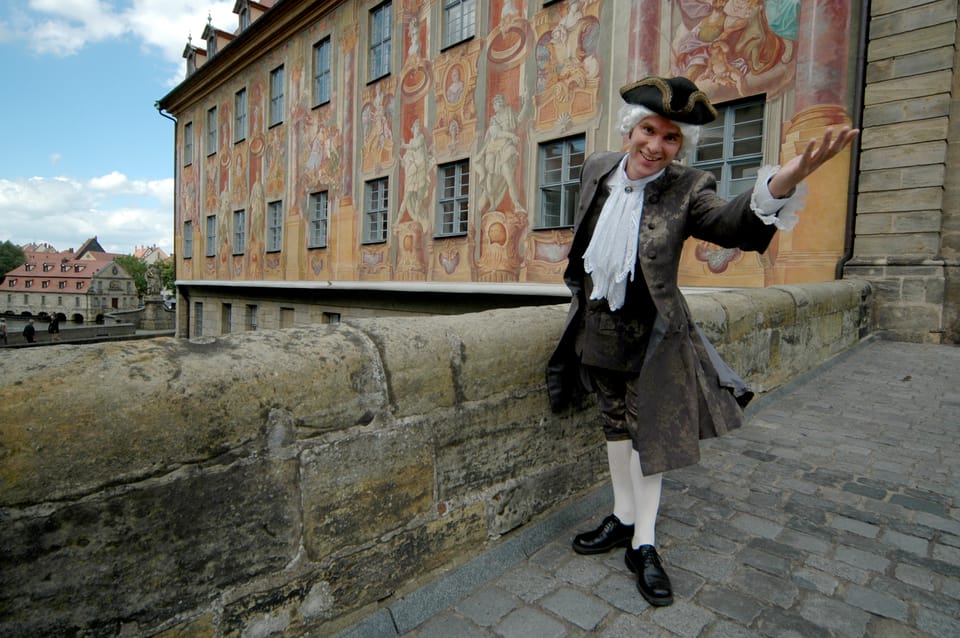
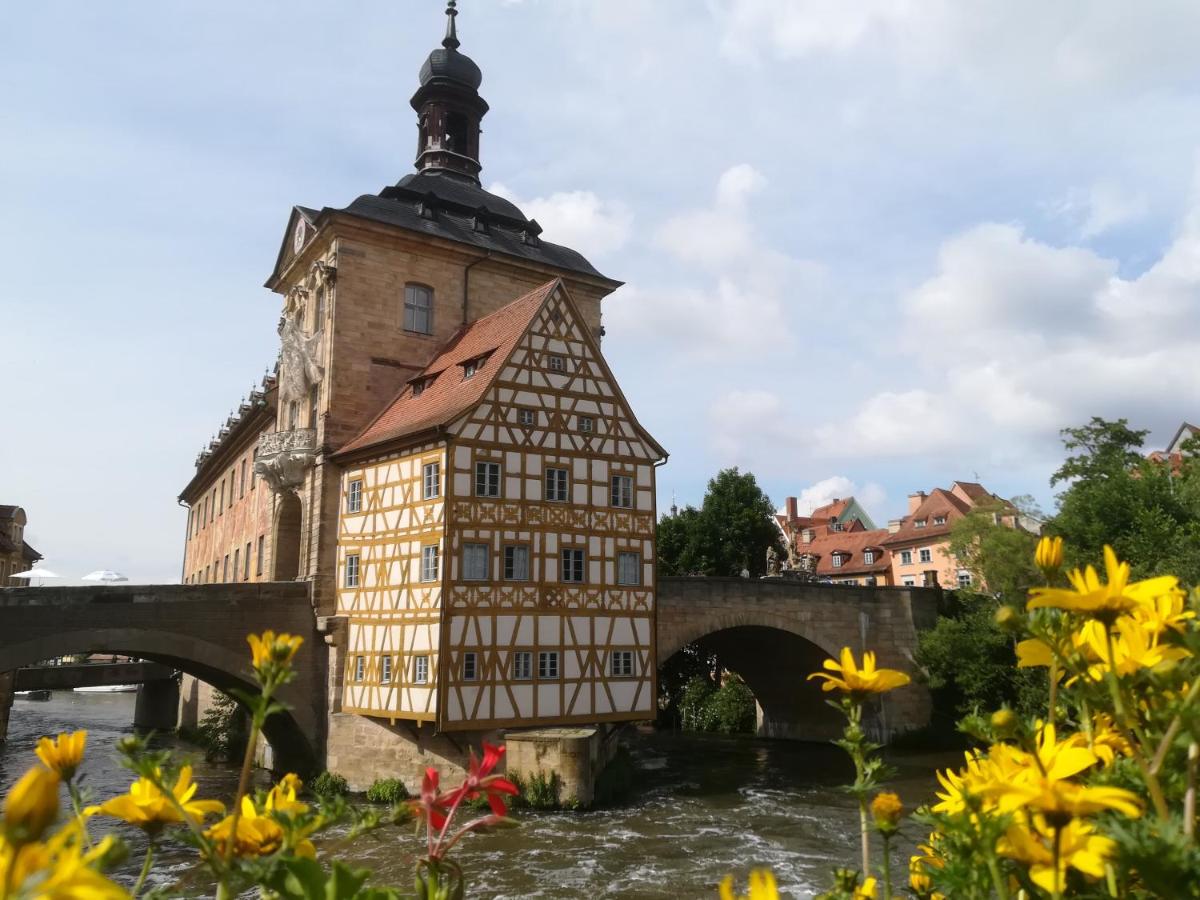
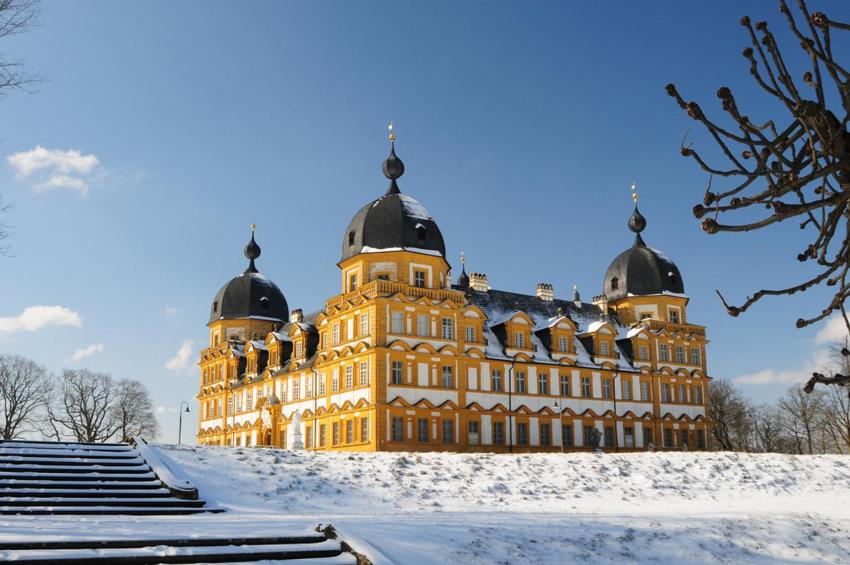
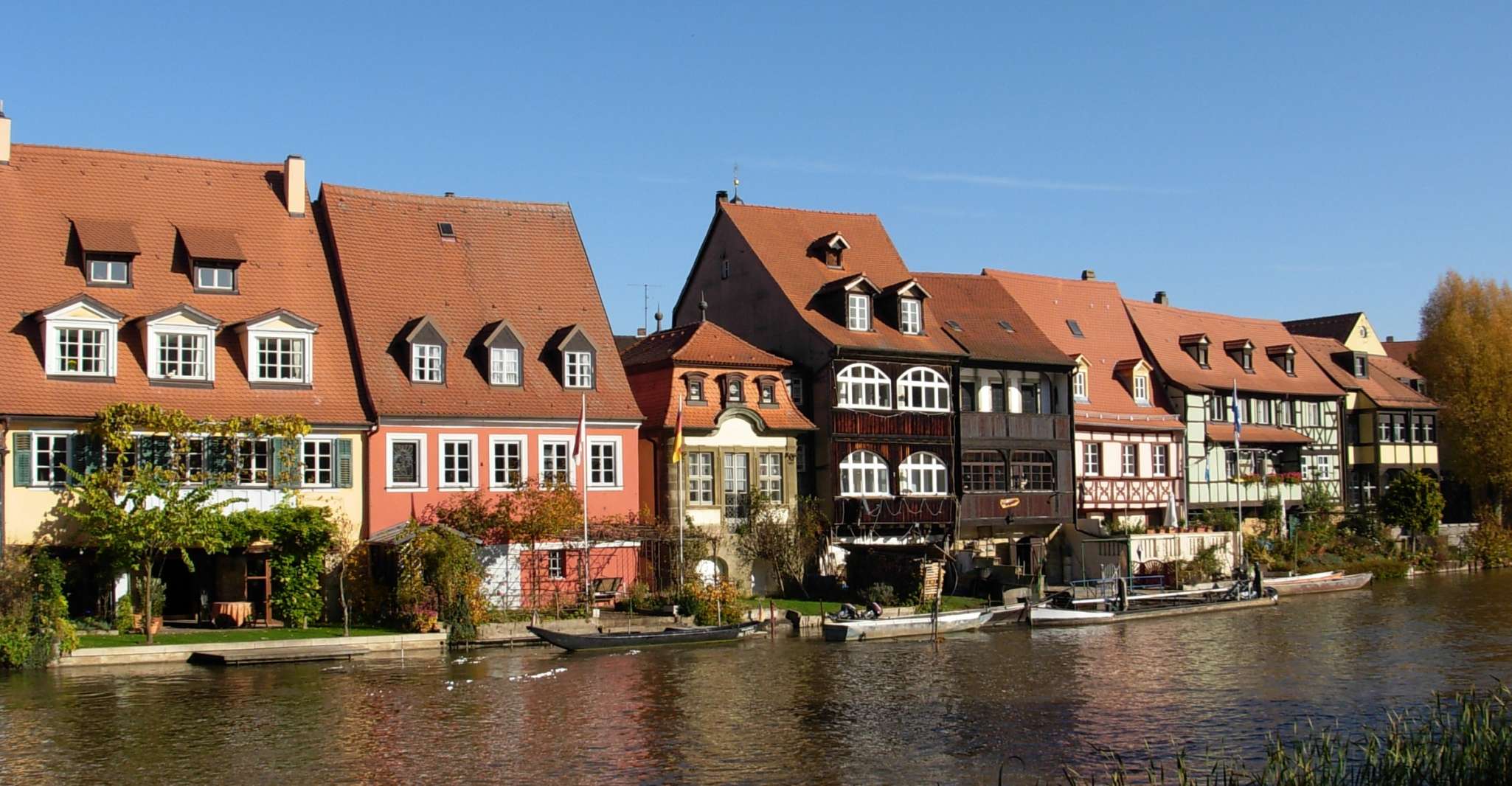
Bamberg, once selected by German Emperor Henry II as a "second Rome," boasts a unique architectural landscape spanning several centuries. Marvel at the well-preserved structures dating back to the 11th century, including the colorful town hall and the ancient Romanesque cathedral. These landmarks serve as tangible testimonies to the town's historical significance and its profound influence on central European urban development.
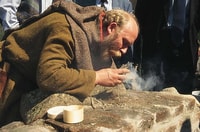
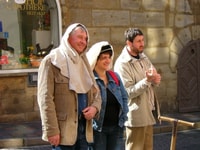
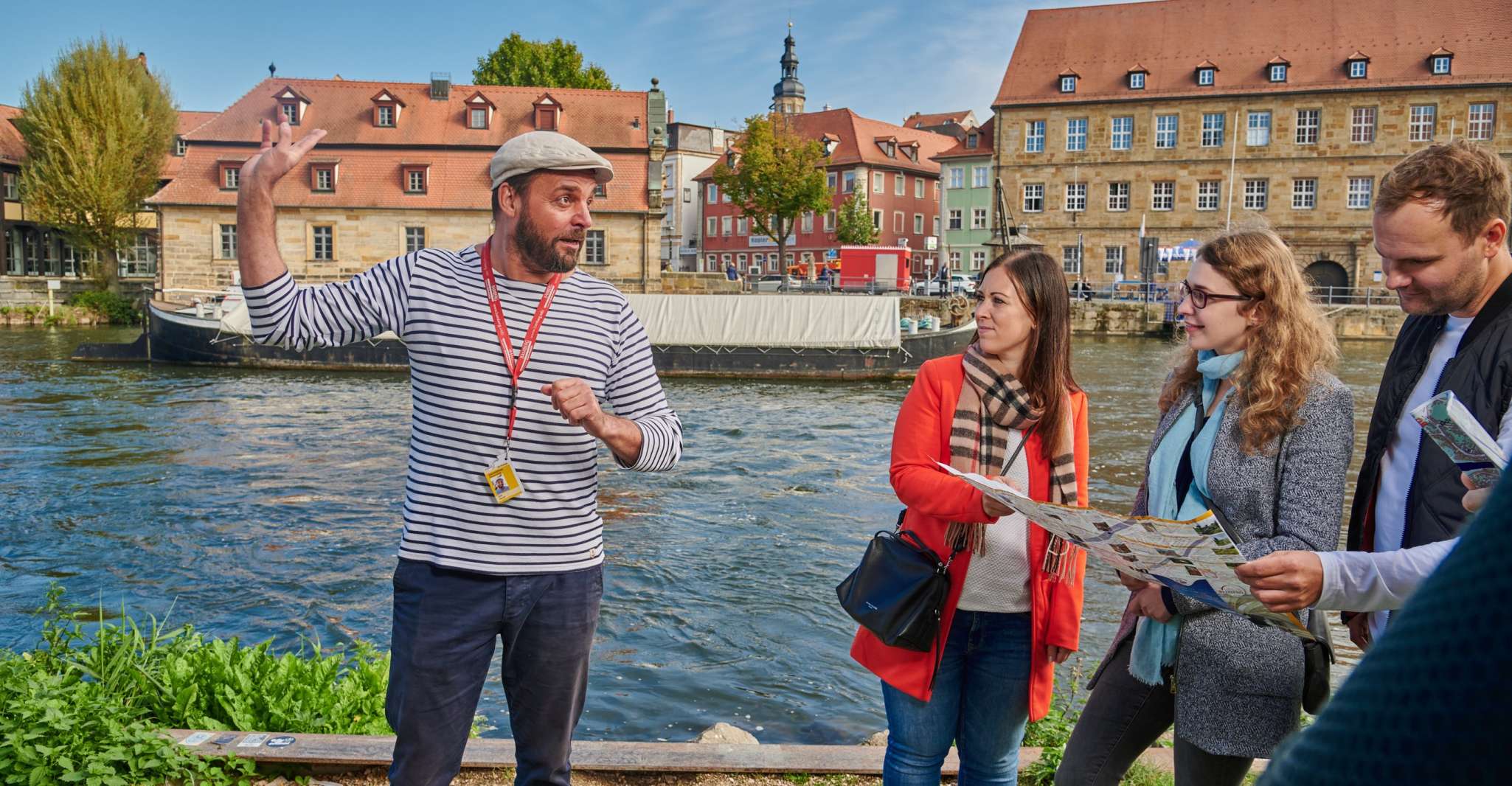
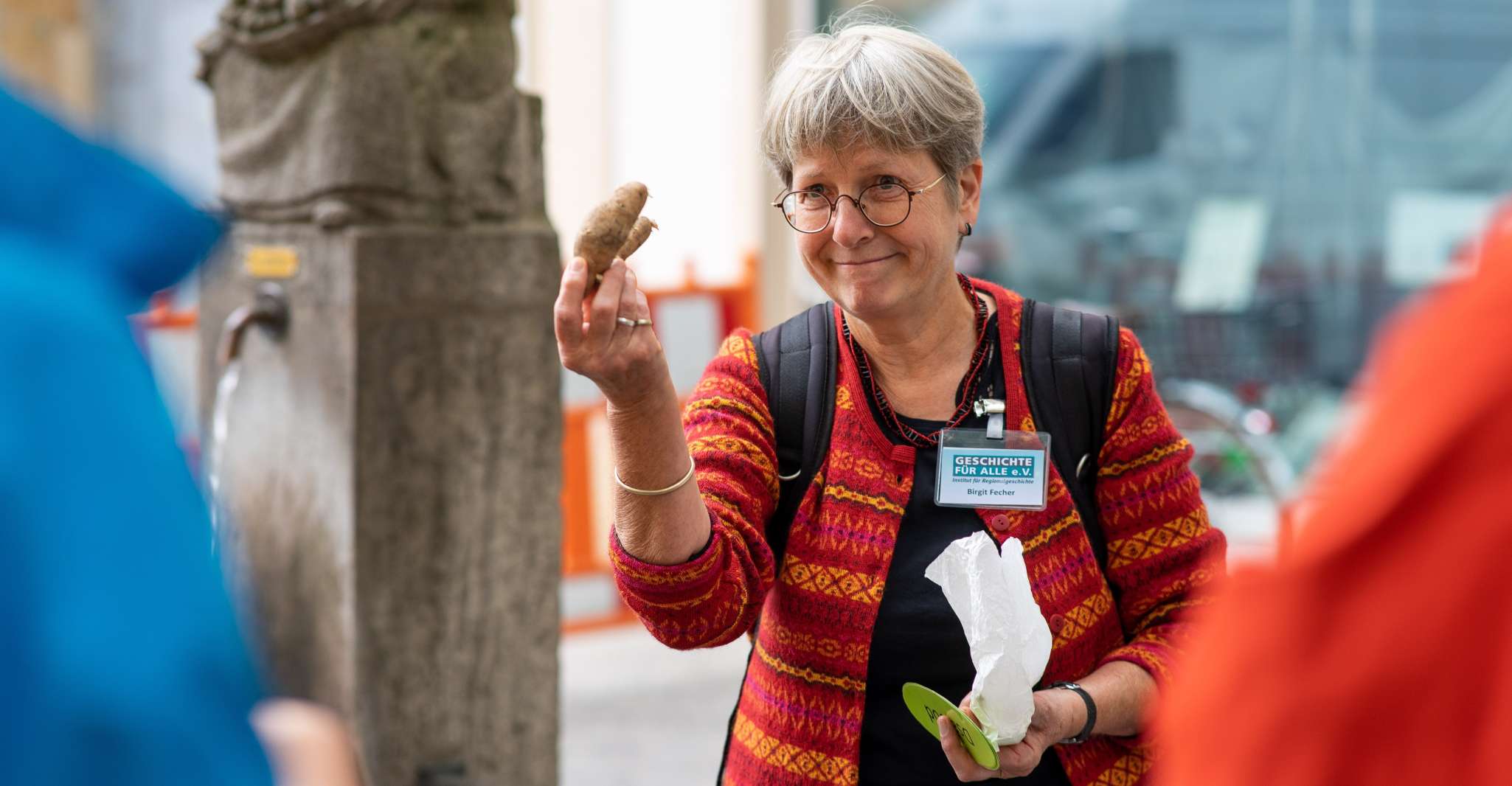
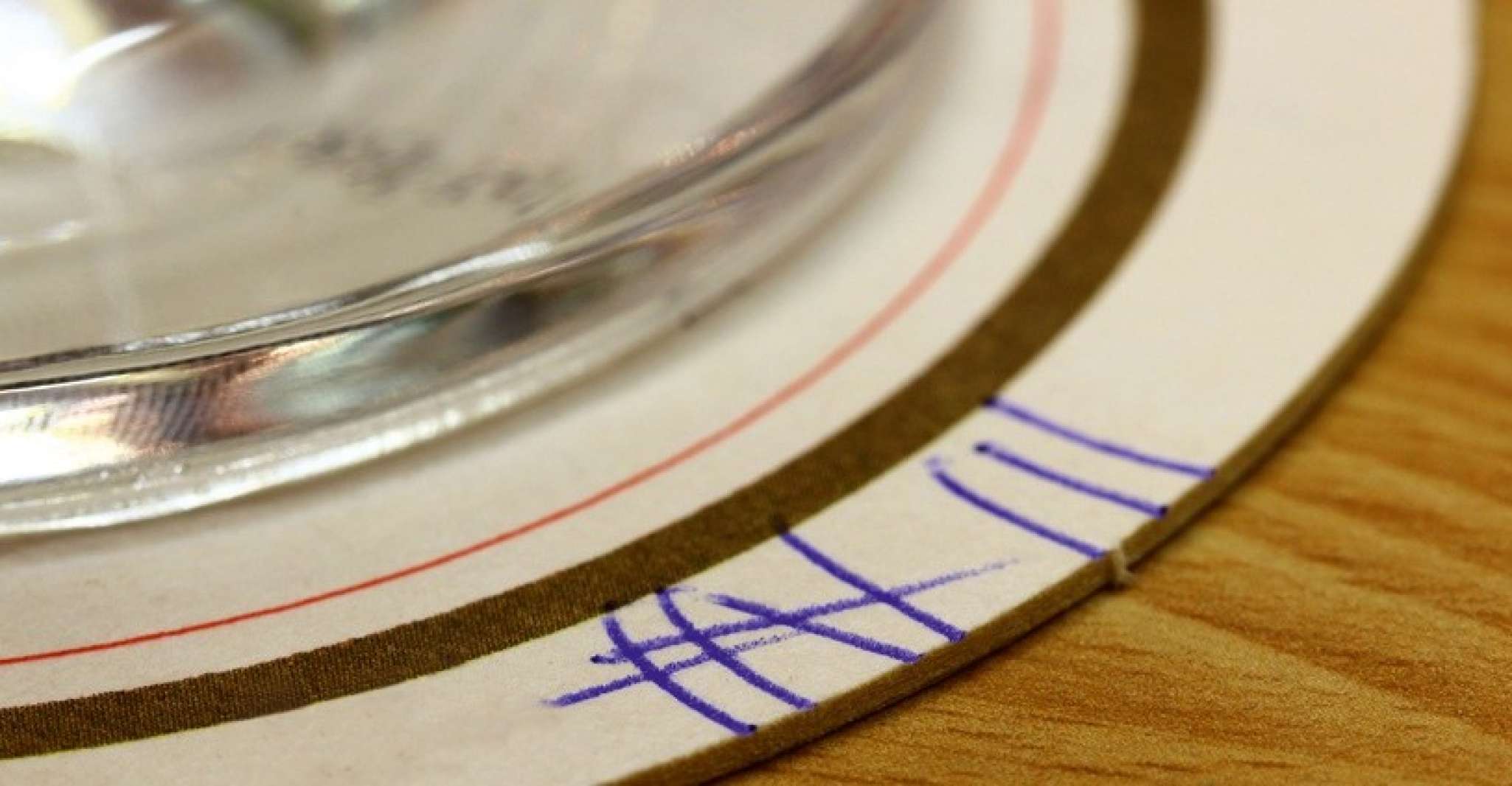
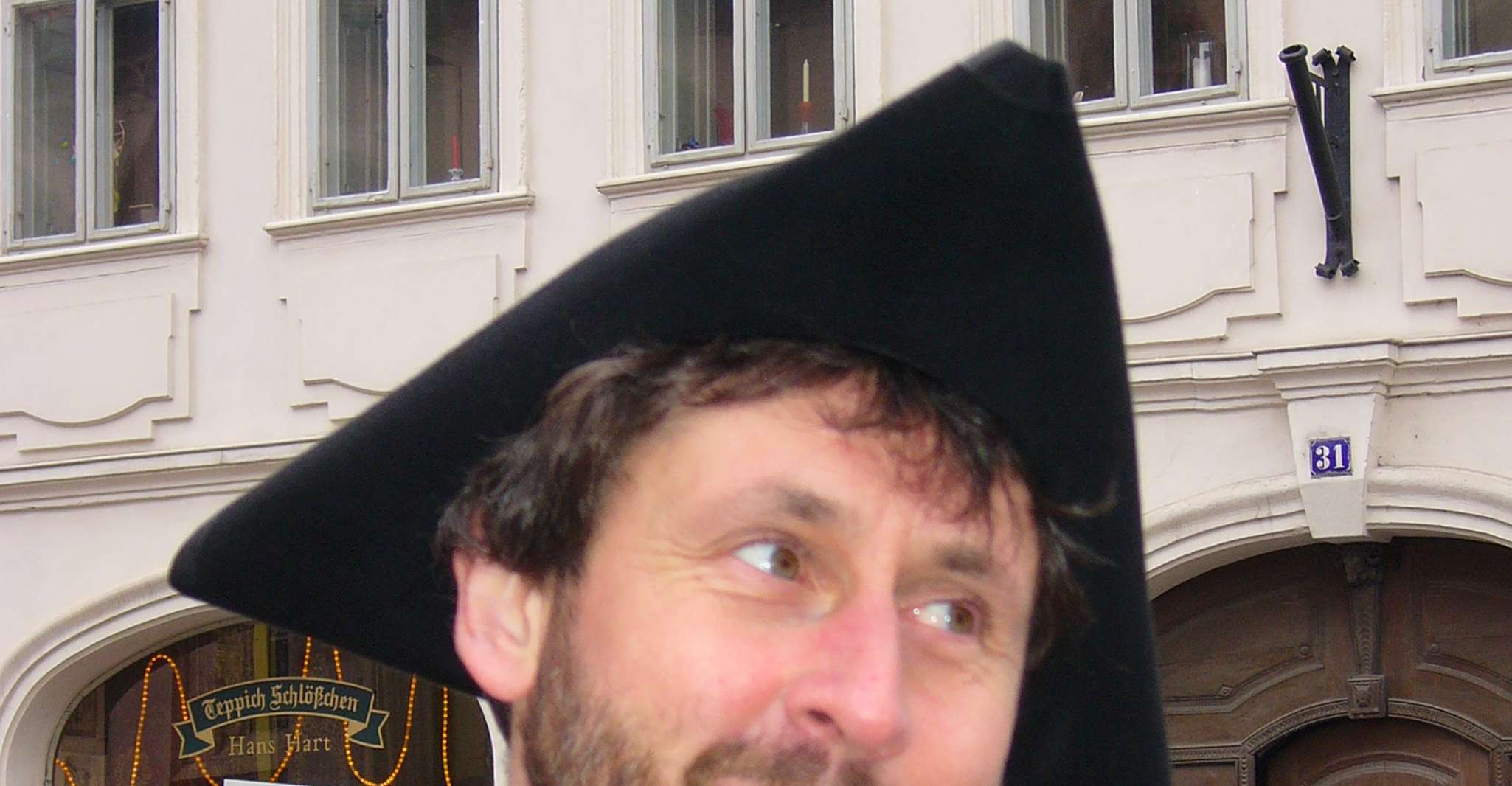
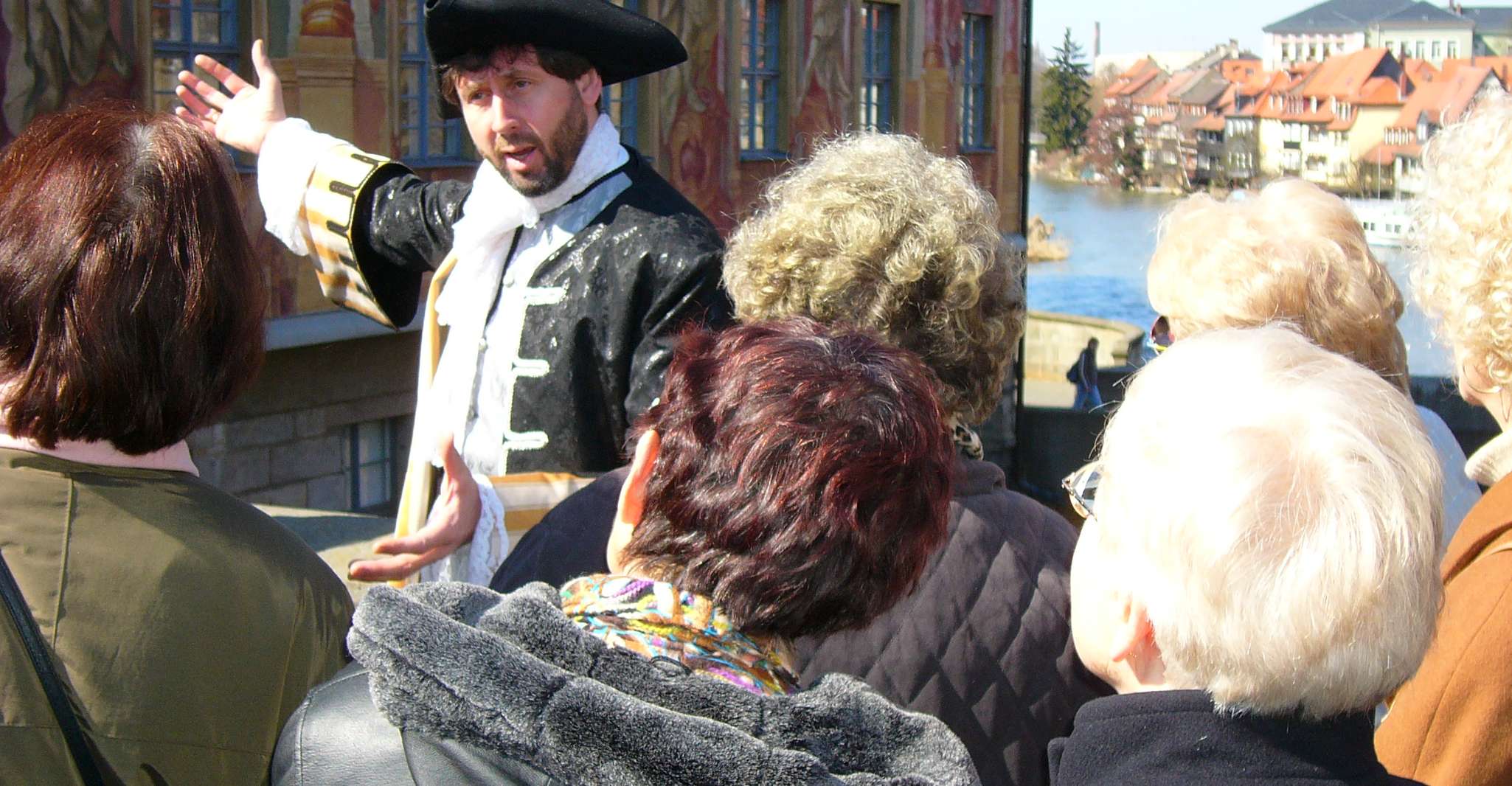
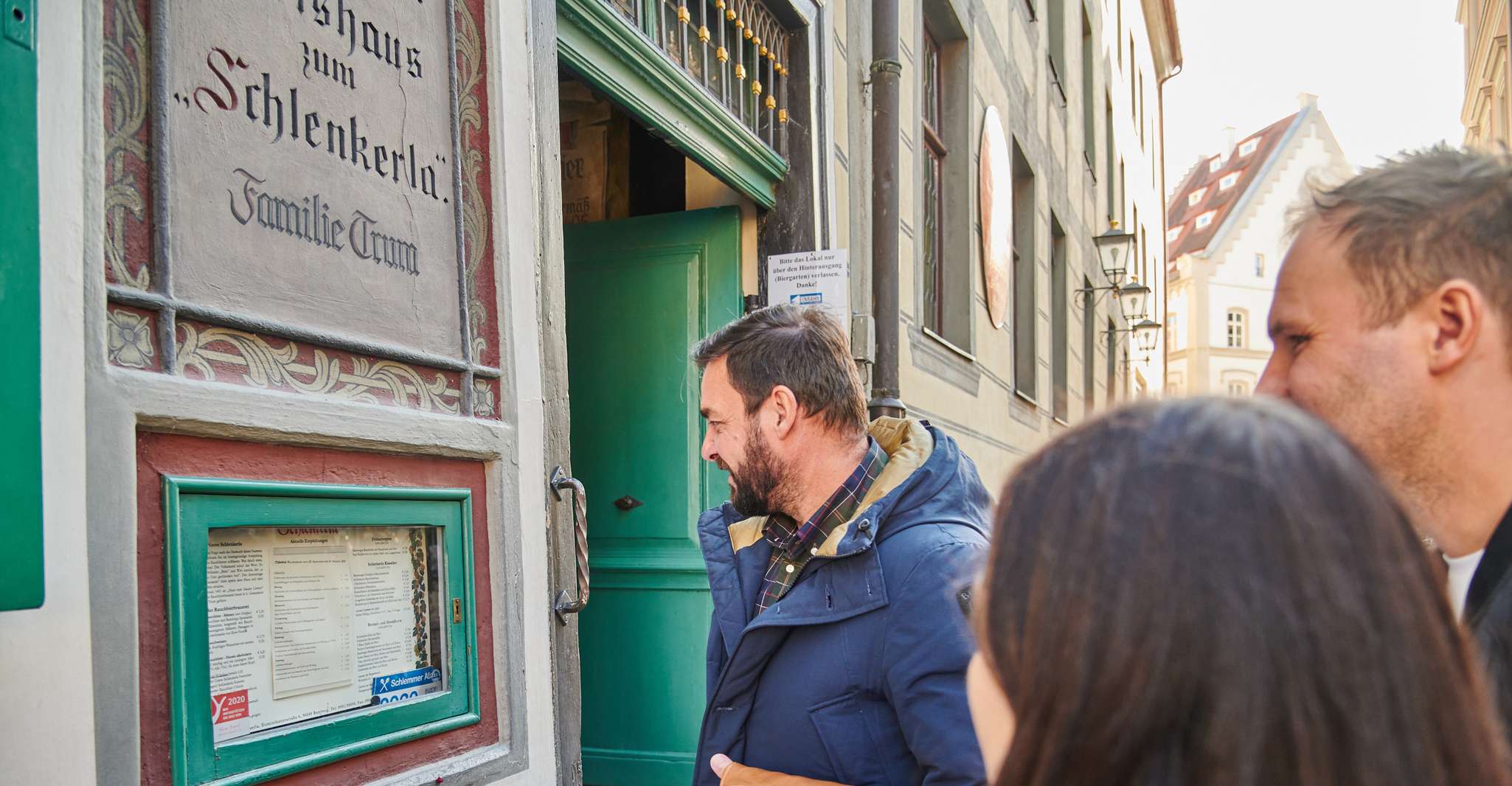
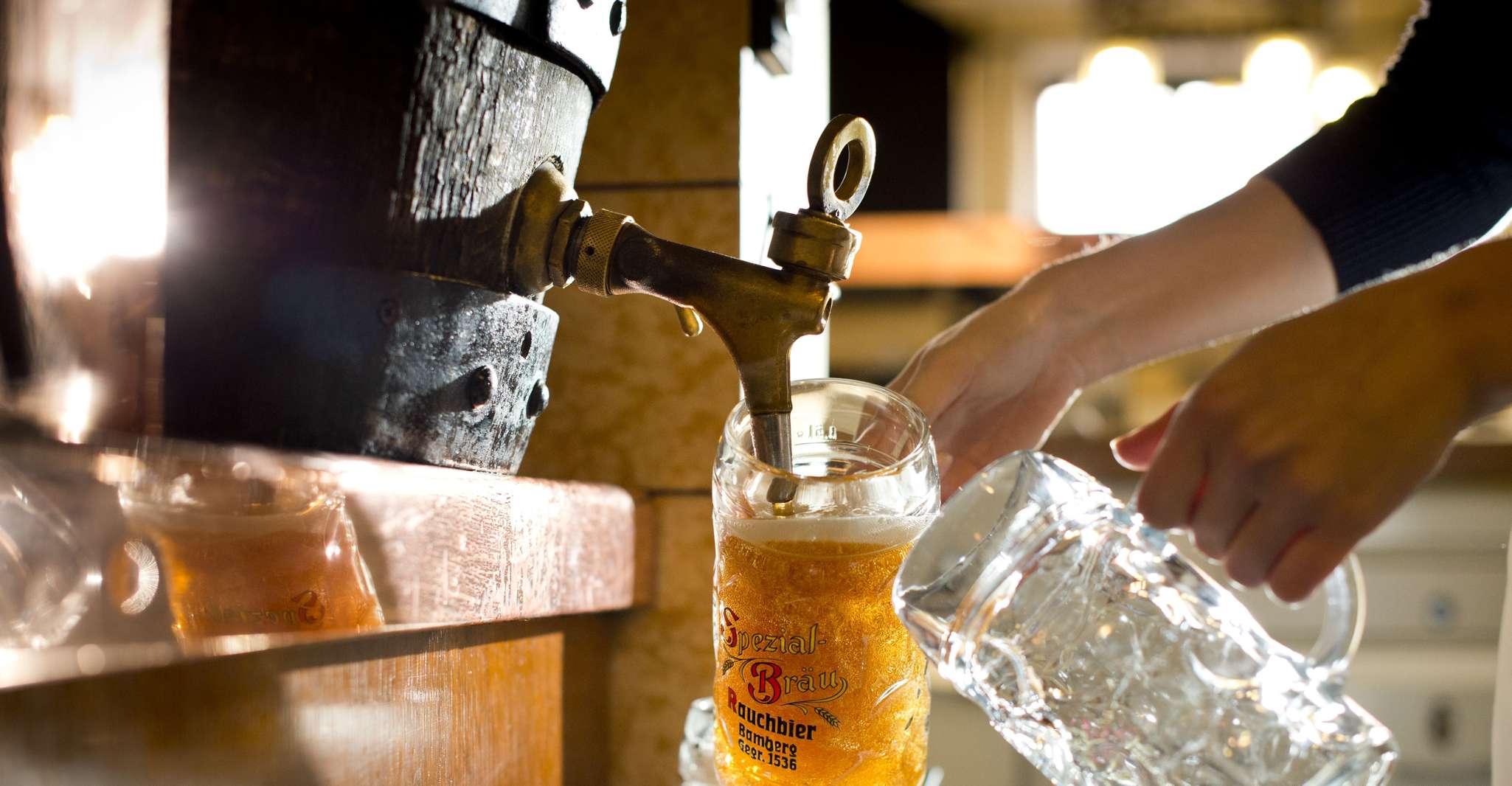
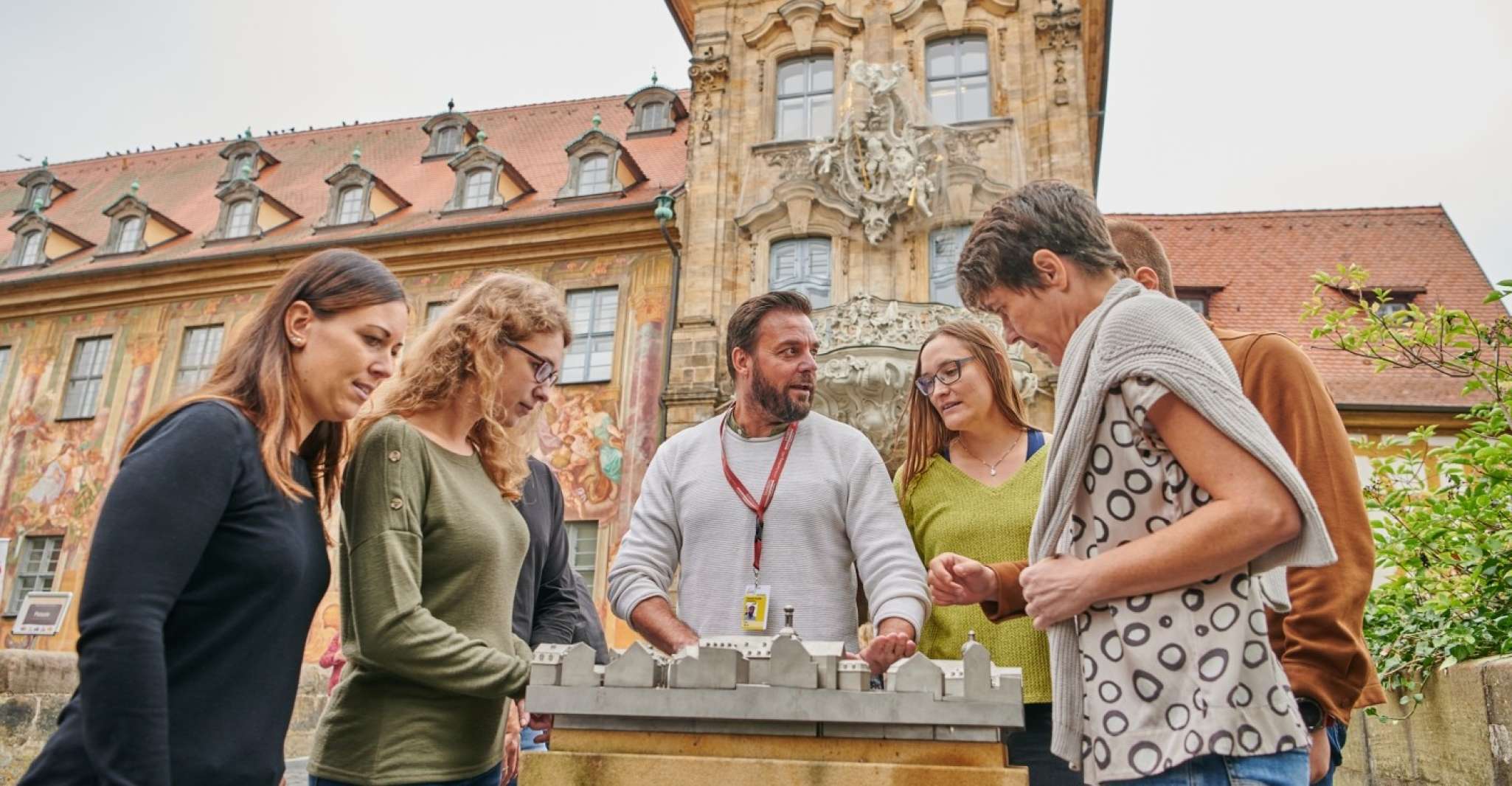
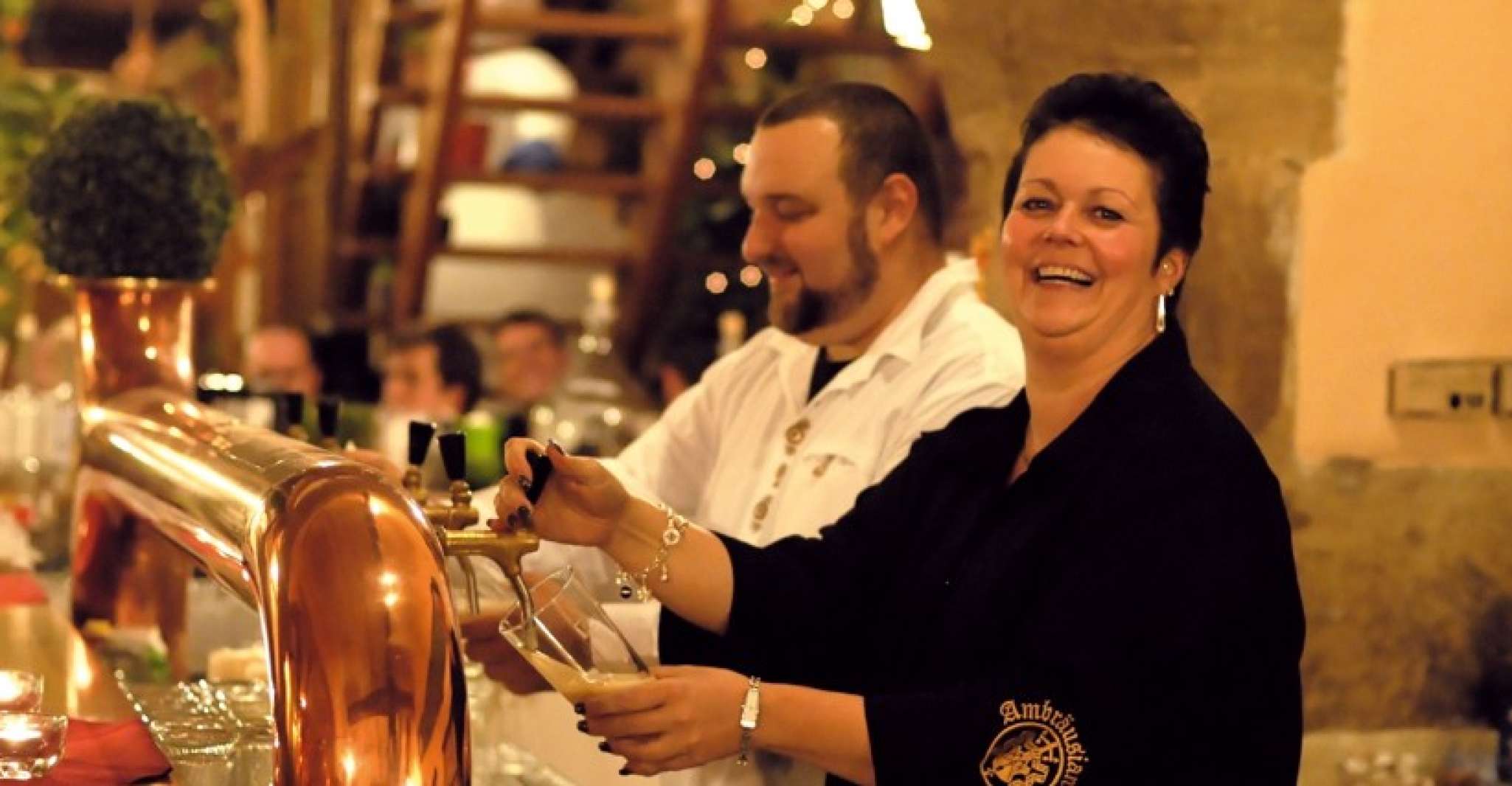
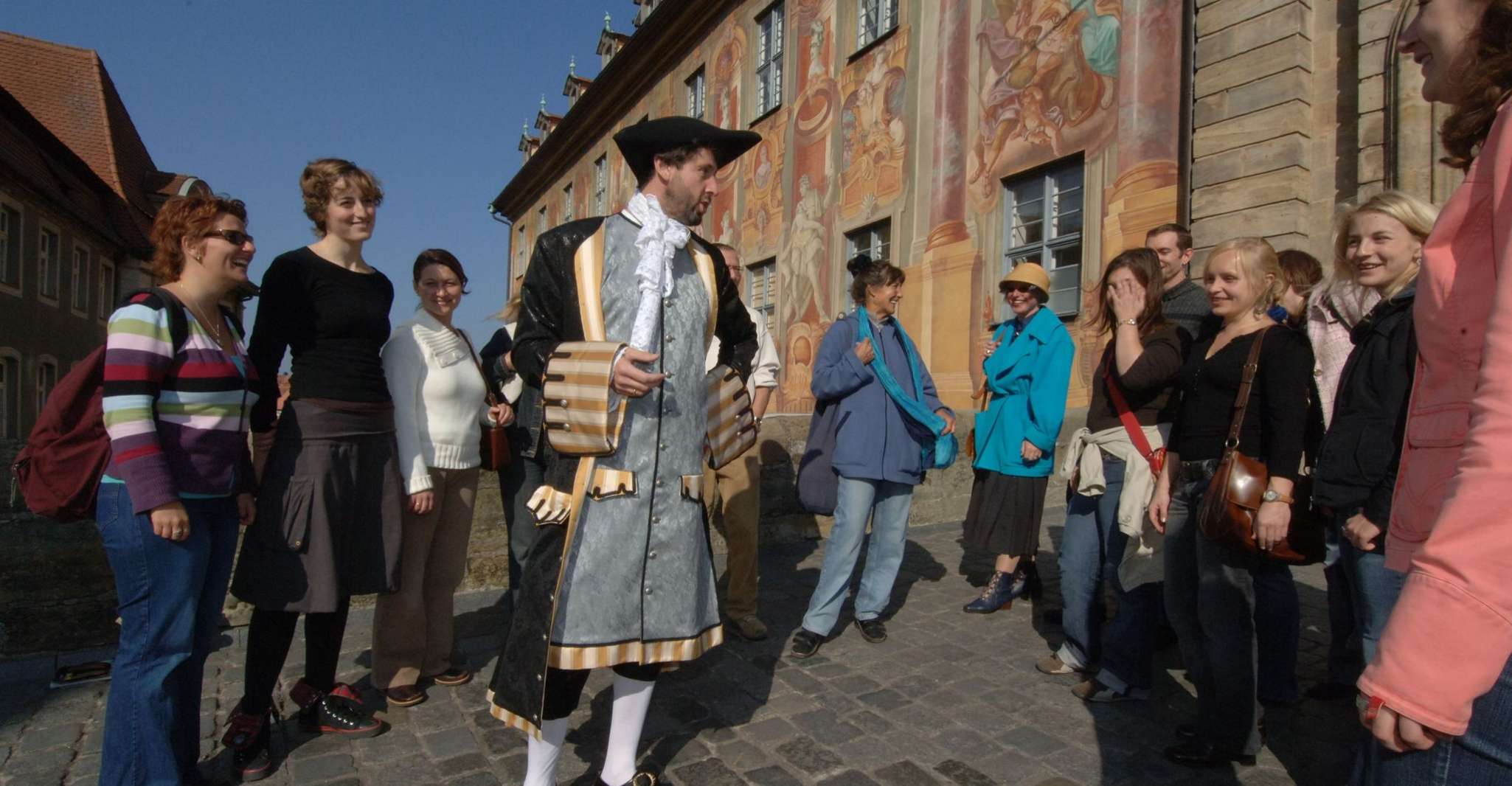
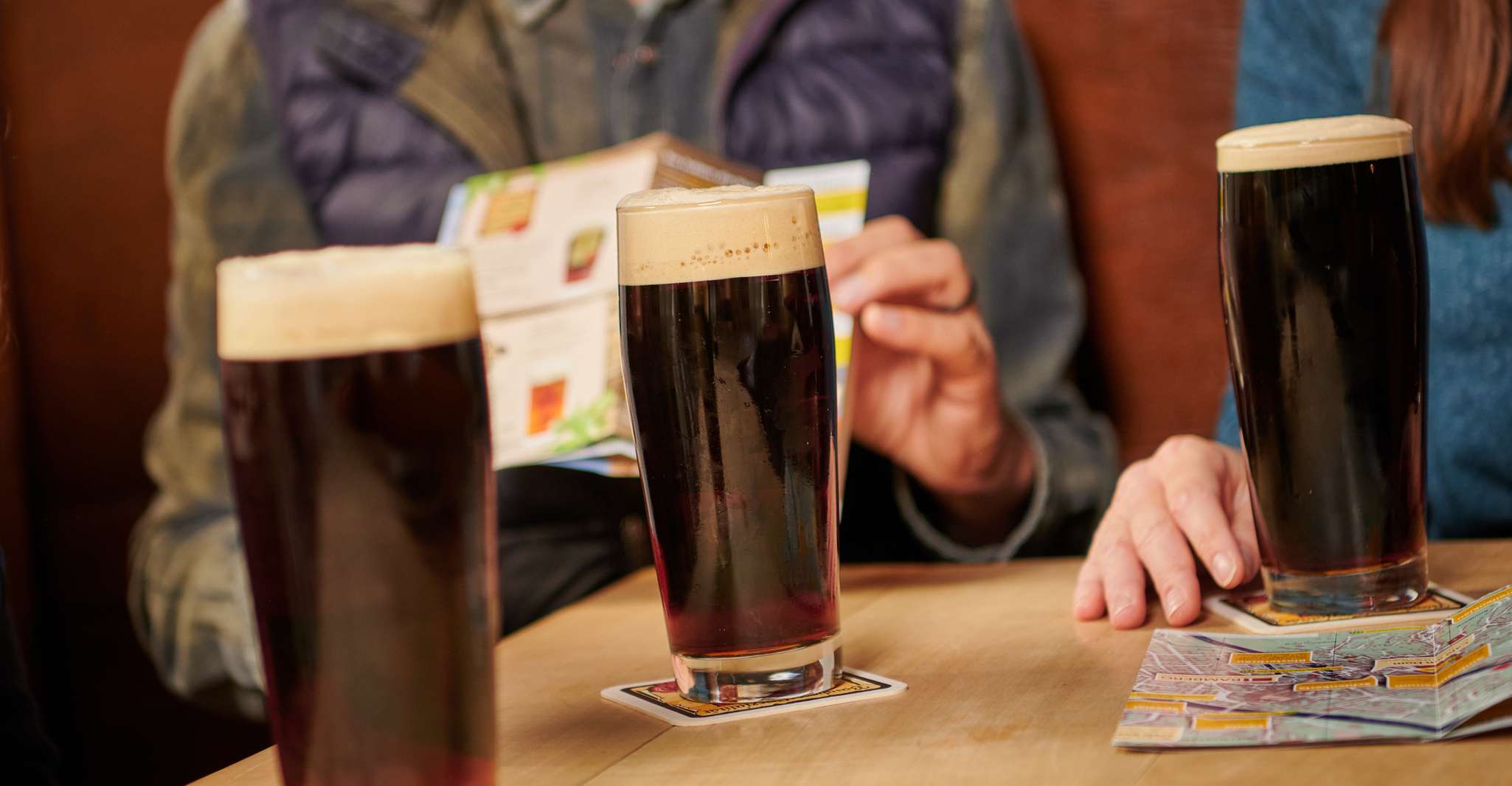
While absorbing the official narrative of the city’s history, don’t miss the opportunity to delve deeper into the lives of ordinary citizens who lived during the Middle Ages. Engage in an enlightening guided tour led by knowledgeable guides who bring the past to life with authenticity and passion. Sample delicious medieval mead, a traditional beverage steeped in folklore and lore, before embarking on a sensory-rich adventure. Feel the warmth of a bonfire crackling under the watchful gaze of a witch, and breathe in the scents of herbs and spices that have been used for centuries to heal and protect.
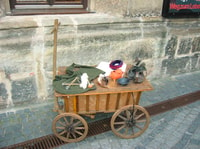
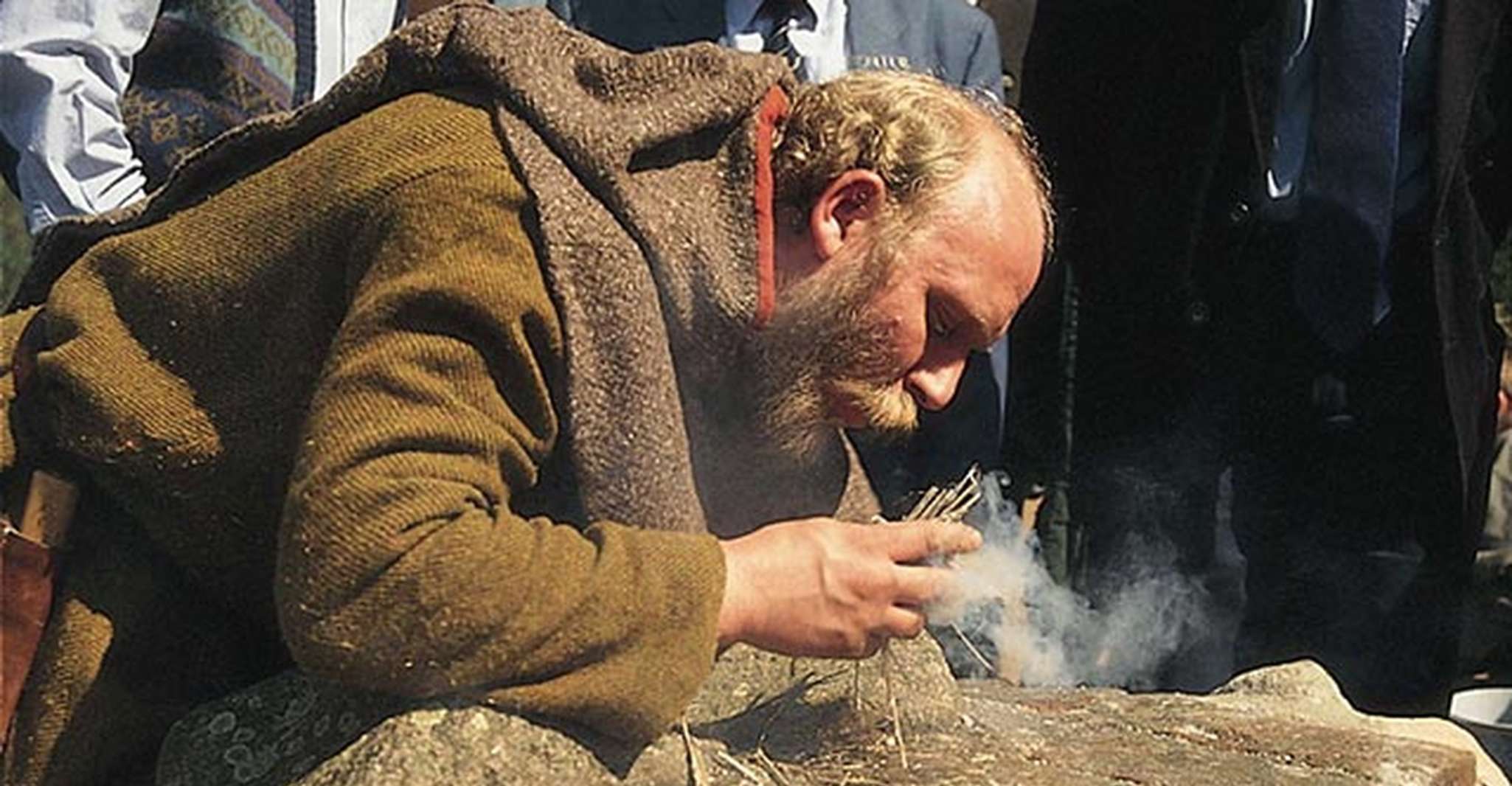
Step into the shoes of a noble lady or a humble craftsman, immersing yourself in the daily routines, joys, and challenges faced by those living during this transformative era. Experience firsthand the practical aspects of life—such as fetching water from local wells and kindling fires using primitive tools—and immerse yourself fully in the authentic ambiance of a medieval community.
 Book
Book
| Highlights |
|
|---|---|
| Includes | A guide, an immersive tour, and mead are being referred to. |

Free cancellation
Please cancel your booking up to 24 hours prior to the scheduled event or activity for a full refund.

Reserve now & pay later
Maintain your travel arrangements as adaptable as possible by booking your itinerary and settling payments immediately.

Duration 75 minutes
Verify the availability to ascertain the commencement times.

Live tour guide
The German language is a West Germanic language spoken by approximately 100 million people worldwide. It is primarily used as an official language in Germany, Austria, Switzerland, and several other countries. German belongs to the Indo-European language family and has influenced many other languages through its extensive use of loanwords and grammatical structures. Some key features of the German language include: - **Vowel Harmony**: This feature involves certain vowel combinations changing based on the preceding consonant. - **Case System**: German uses seven cases (nominative, accusative, dative, genitive, partitive, illative, and locative) for nouns and pronouns. - **Gender**: Nouns have two genders: masculine and feminine. - **Conjugation**: Verbs undergo conjugations depending on their subject's gender and number. - **Articles**: Demonstratives ("der", "die", "das"), definite articles ("der", "die", "das"), and indefinite articles ("ein", "eine"). In summary, German is a complex and fascinating language with rich linguistic traditions and diverse cultural influences.
Welcoming travelers since 2013
The requested text has been rewritten in a formal manner as per your instructions.
From
18€Per Person
Maintain your travel arrangements as adaptable as possible by booking your itinerary and settling payments immediately.
 Give as a gift
Bamberg, Germany  See on map
Bamberg held significant importance during the 11th century when it was selected by German Emperor Henry II as a 'second Rome.' It played a crucial role in shaping the course of central European urban development.
Bamberg became famous for being chosen by German Emperor Henry II as a 'second Rome,' indicating its strategic location and political power during the 11th century.
Visitors can expect to see the colorful town hall and the ancient Romanesque cathedral, which are well-preserved structures dating back to the 11th century.
Bamberg offers guided tours led by knowledgeable guides who bring the past to life with authenticity and passion, providing insight into the lives of ordinary citizens during the Middle Ages.
Yes, visitors can taste delicious medieval mead, a traditional beverage steeped in folklore and lore, which has been used throughout history for healing and protection purposes.
Activities such as fetching water from local wells and kindling fires using primitive tools, along with sampling medieval mead, create a sensory-rich adventure that allows visitors to feel the warmth of a bonfire crackling under the watchful gaze of a witch and inhale the scents of herbs and spices that have been used for centuries.
By engaging in practical activities like fetching water and kindling fires, visitors gain a deeper understanding of the day-to-day life of people during the Middle Ages. Immersing oneself in the authentic ambiance of a medieval community provides a vivid glimpse into their experiences.


10
Excelent
Bamberg, Germany
10
Excelent

Bamberg, Germany
10
Excelent
Bamberg, Germany
10
Excelent
Bamberg, Germany
10
Excelent
Bamberg, Germany
10
Excelent
Bamberg, Germany
9.5
Excelent
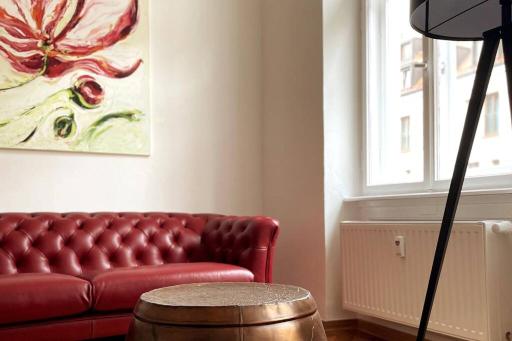
Bamberg, Germany
9.4
Excelent
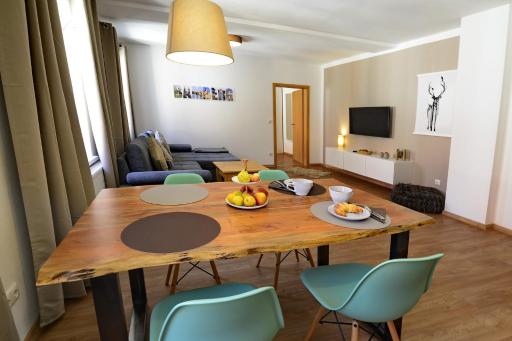
Bamberg, Germany
9.3
Excelent
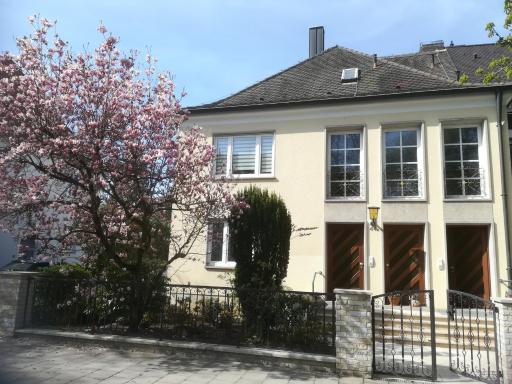
Bamberg, Germany
9.2
Excelent
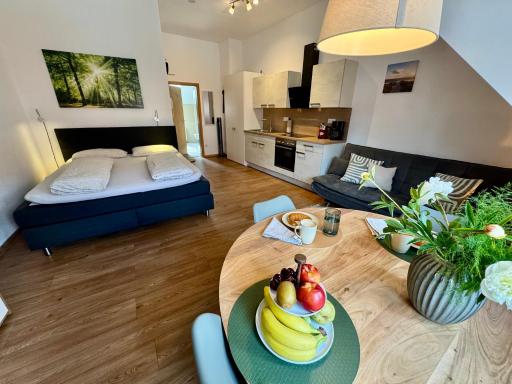
Bamberg, Germany
9.2
Excelent
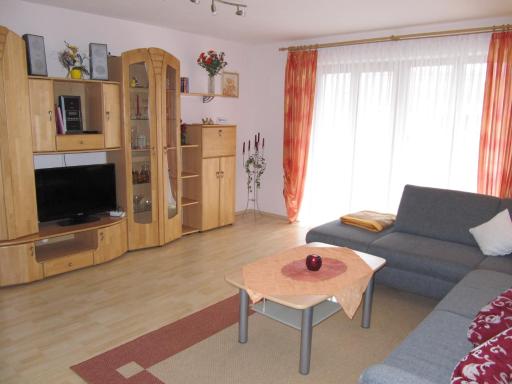
Bamberg, Germany
9.1
Excelent
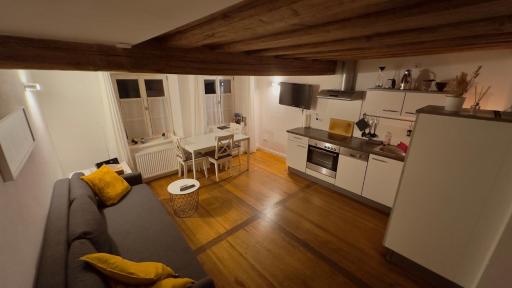
Bamberg, Germany
8.9
Very good
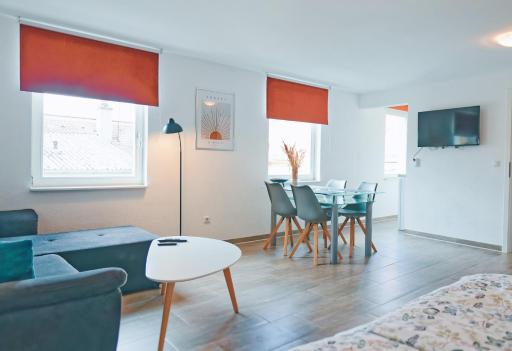
Bamberg, Germany
8.5
Very good
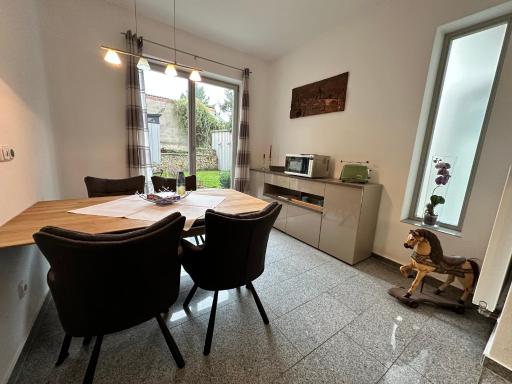
Bamberg, Germany

Subscribe to our newsletter and get the best offers!
By entering your email address, you consent to receive automatically generated personalized commercial proposals, including proposals and offers of products and services from us and selected third parties (your data will not be shared with them). For more information or to revoke your consent, please refer to our Privacy Policy (you can also unsubscribe by clicking on the link in the email).