 Español
  Français
  Deutsch
  Italiano
  Nederlands
  Português
  Русский
  中文
中文  日本語
日本語  العربية
  Türkçe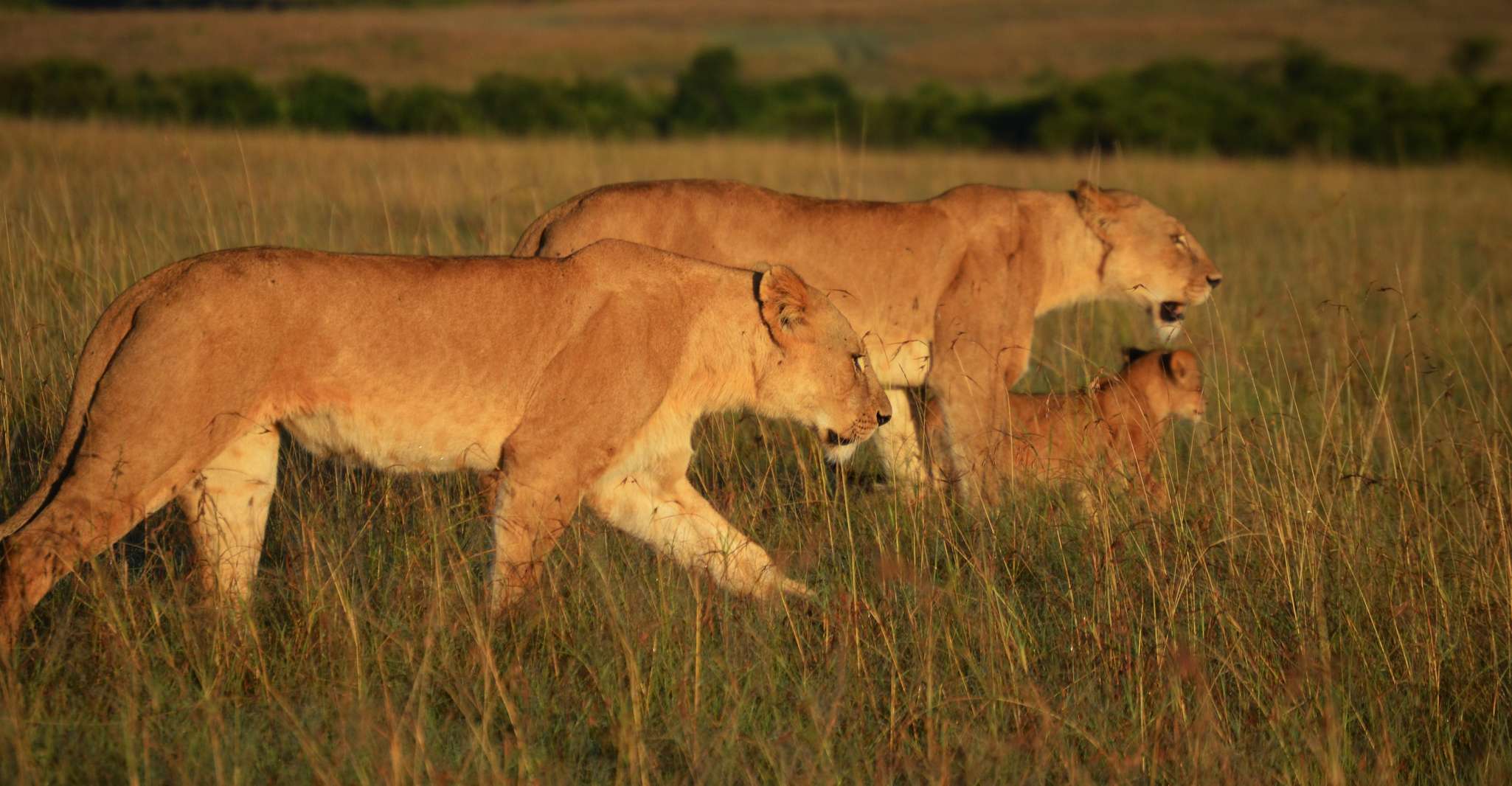

 English

 Kenya, Kenya
Masai Mara Plains Experience: Wildebeest Migration Season (Early July to End of September)
SEO Introduction:
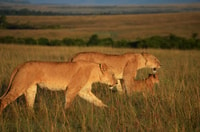
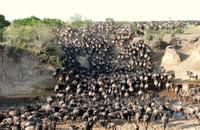
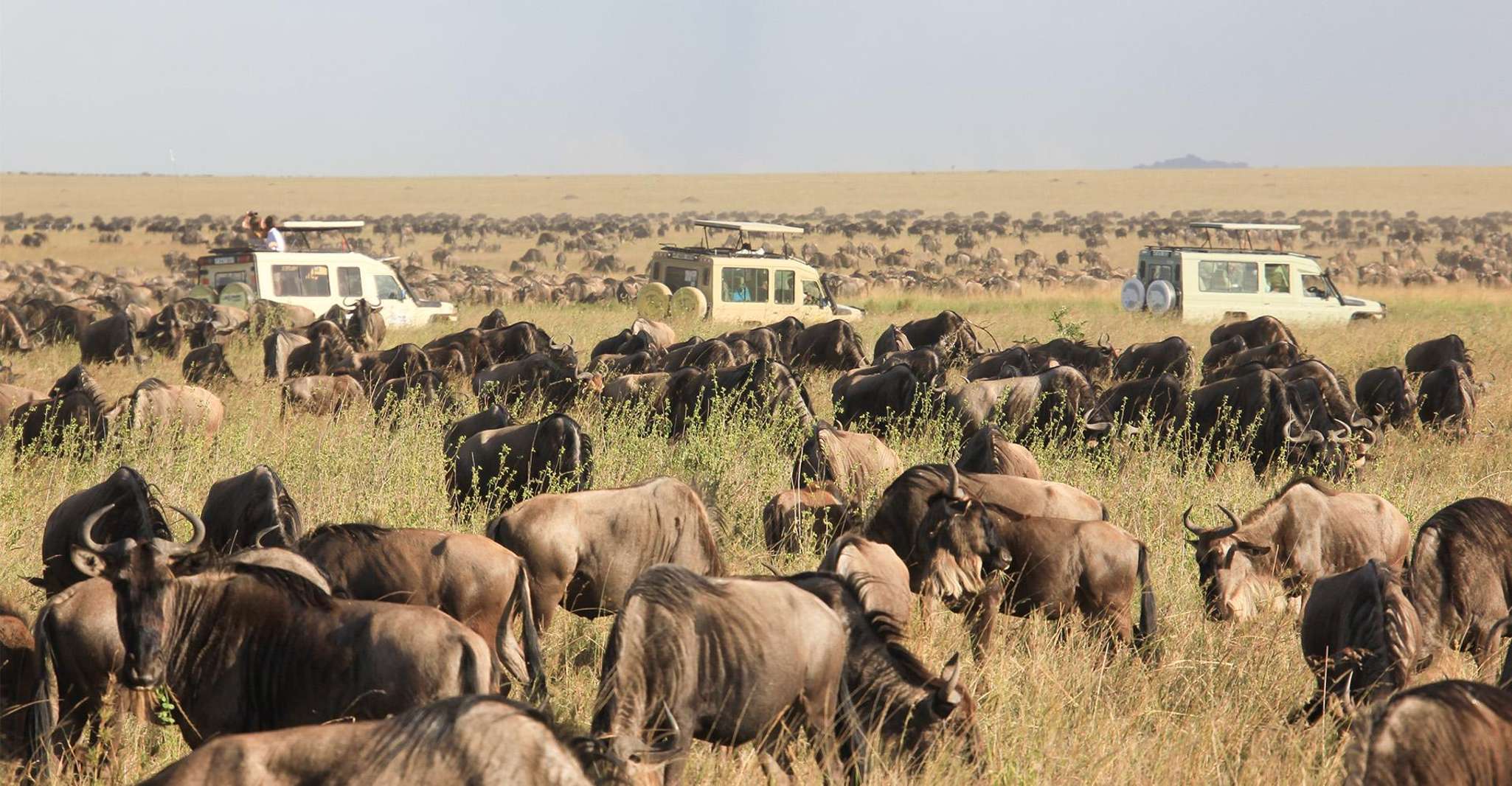
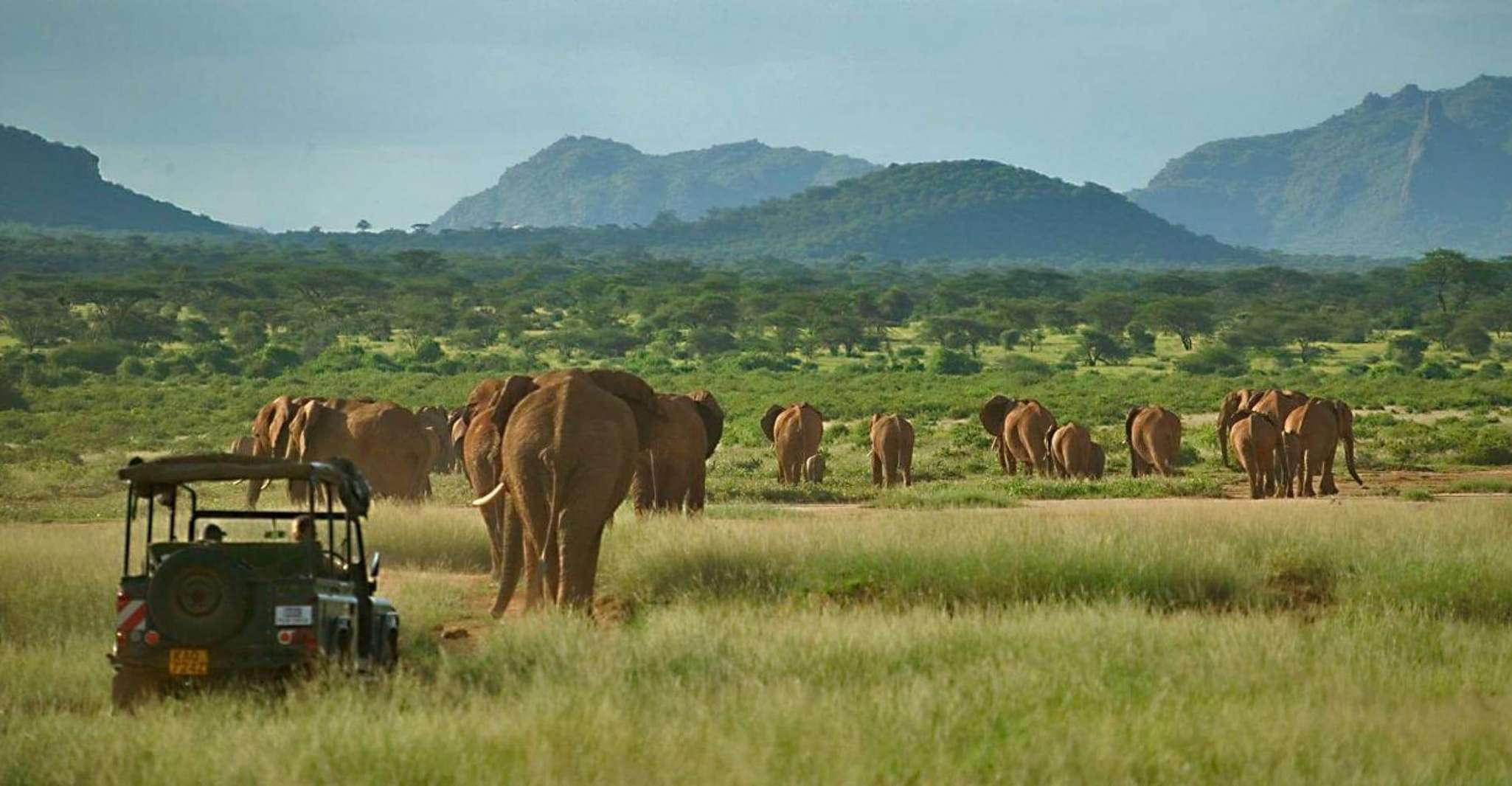
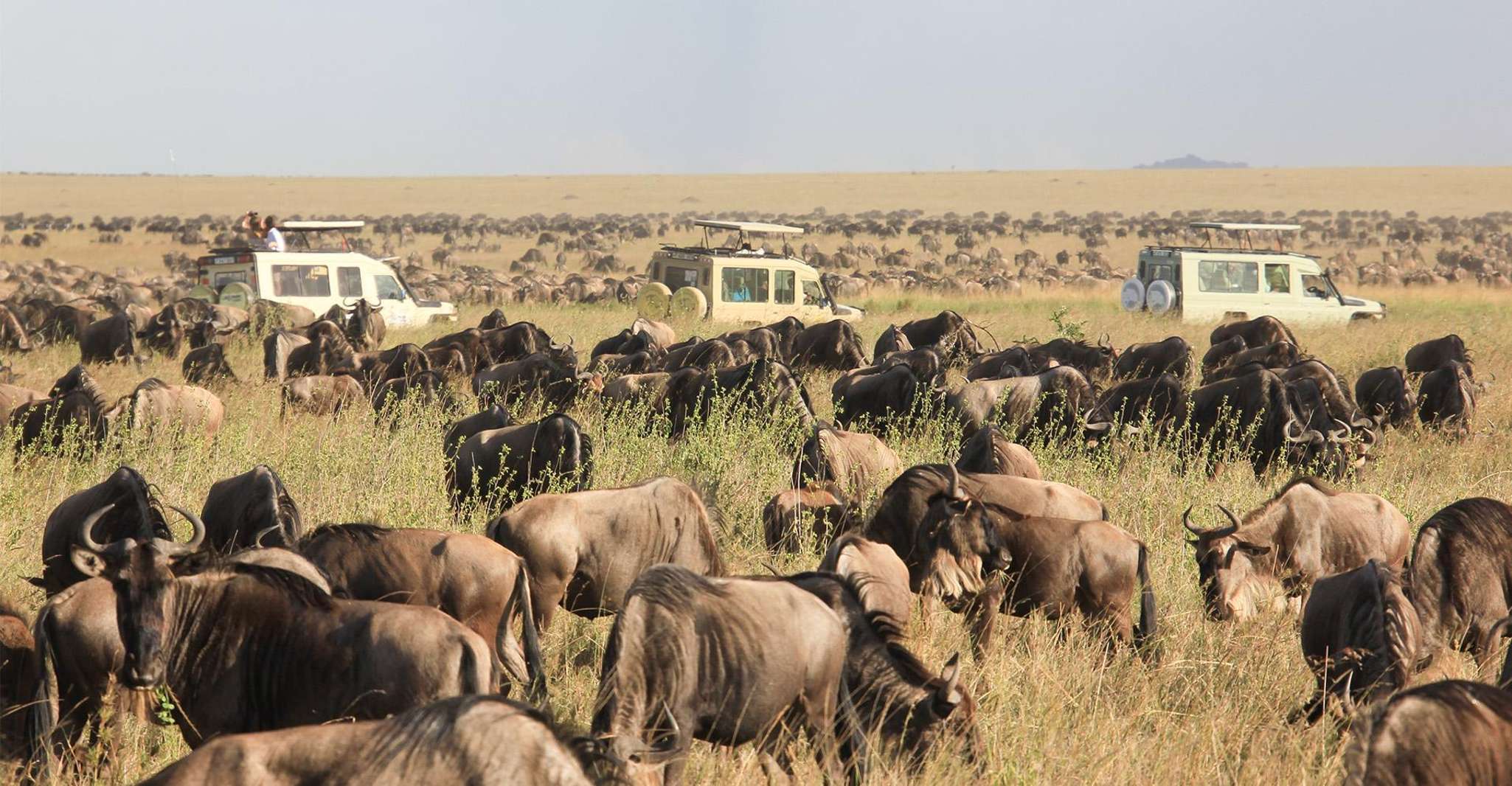
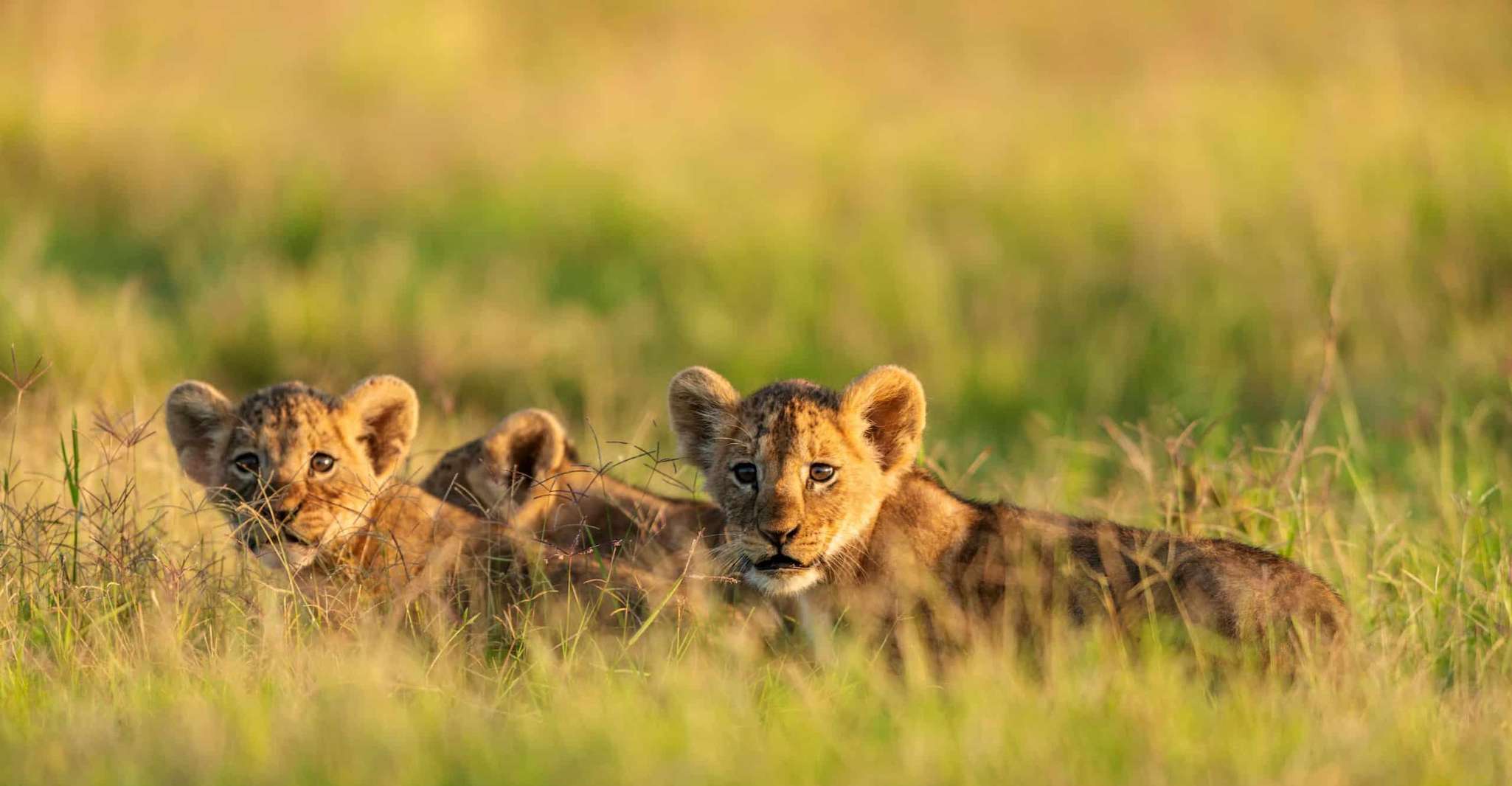
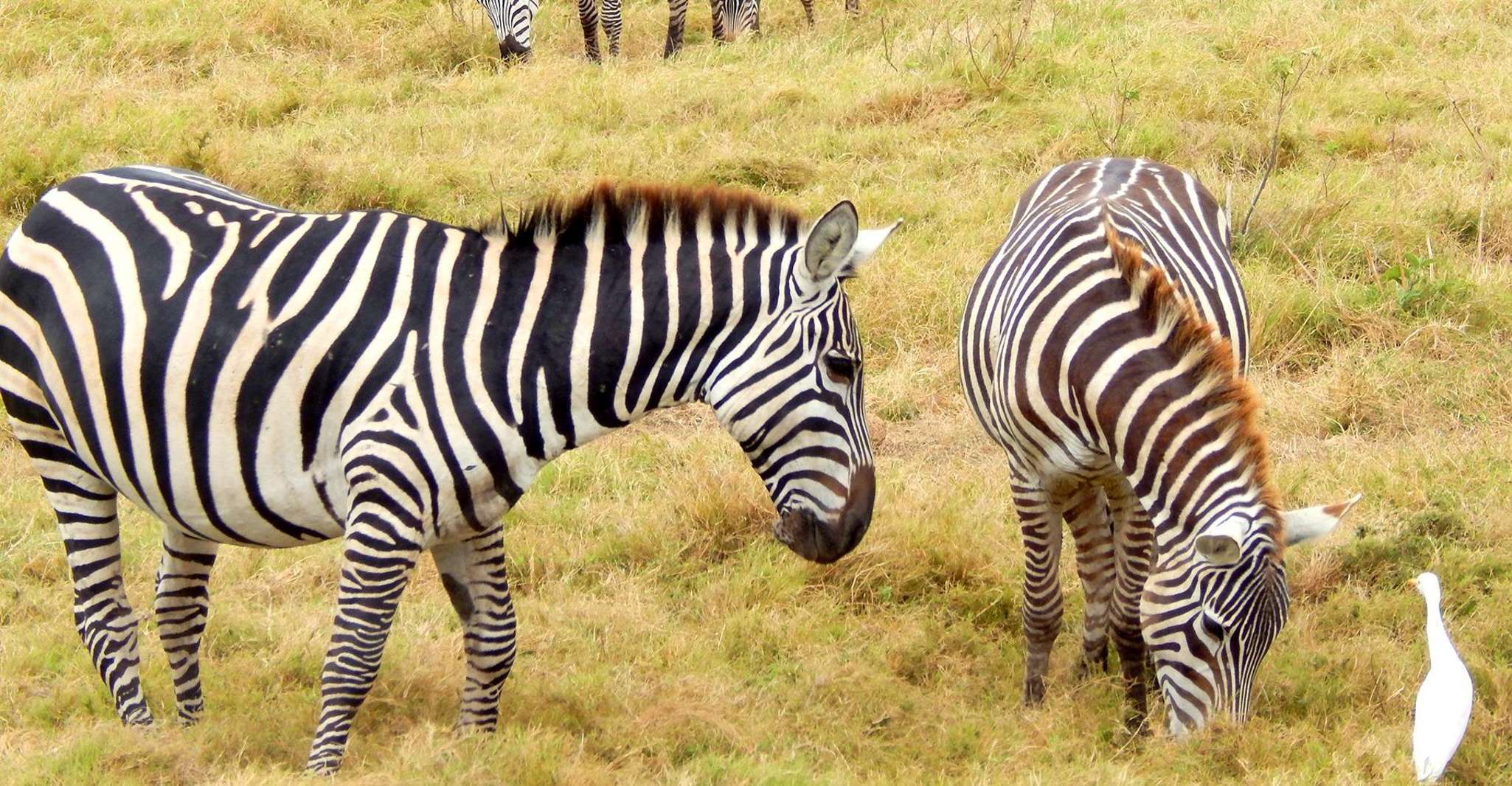
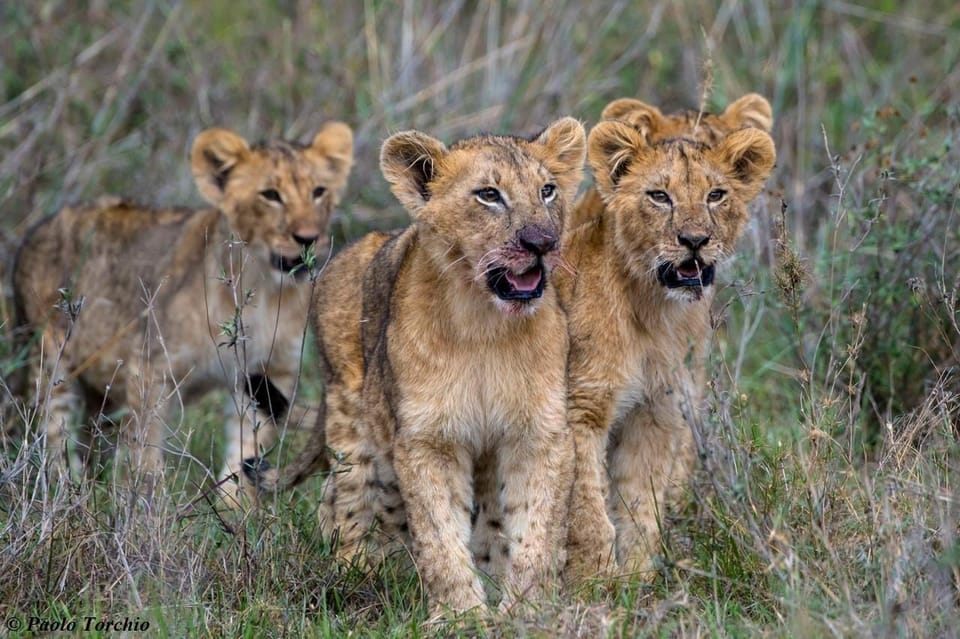
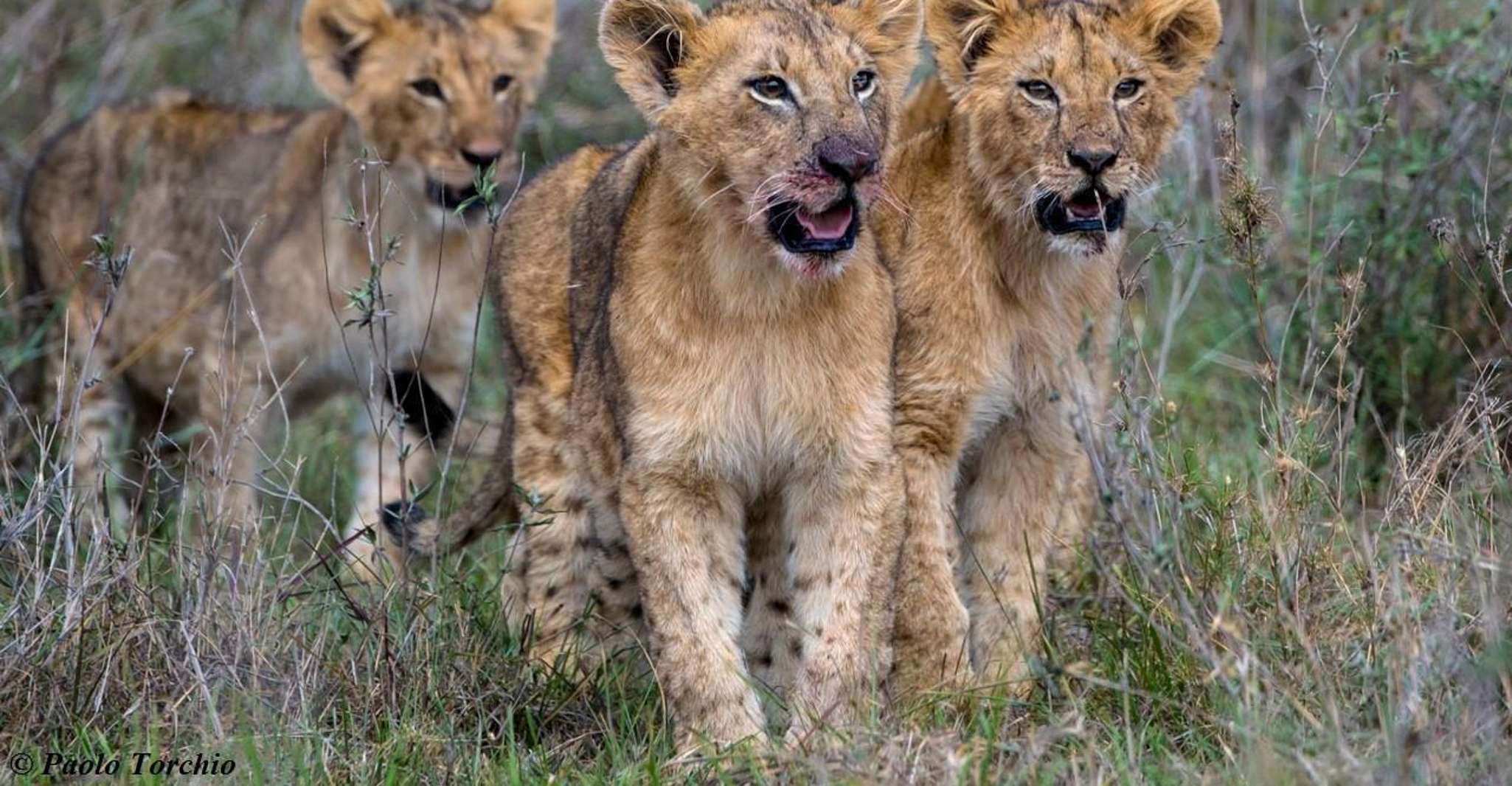
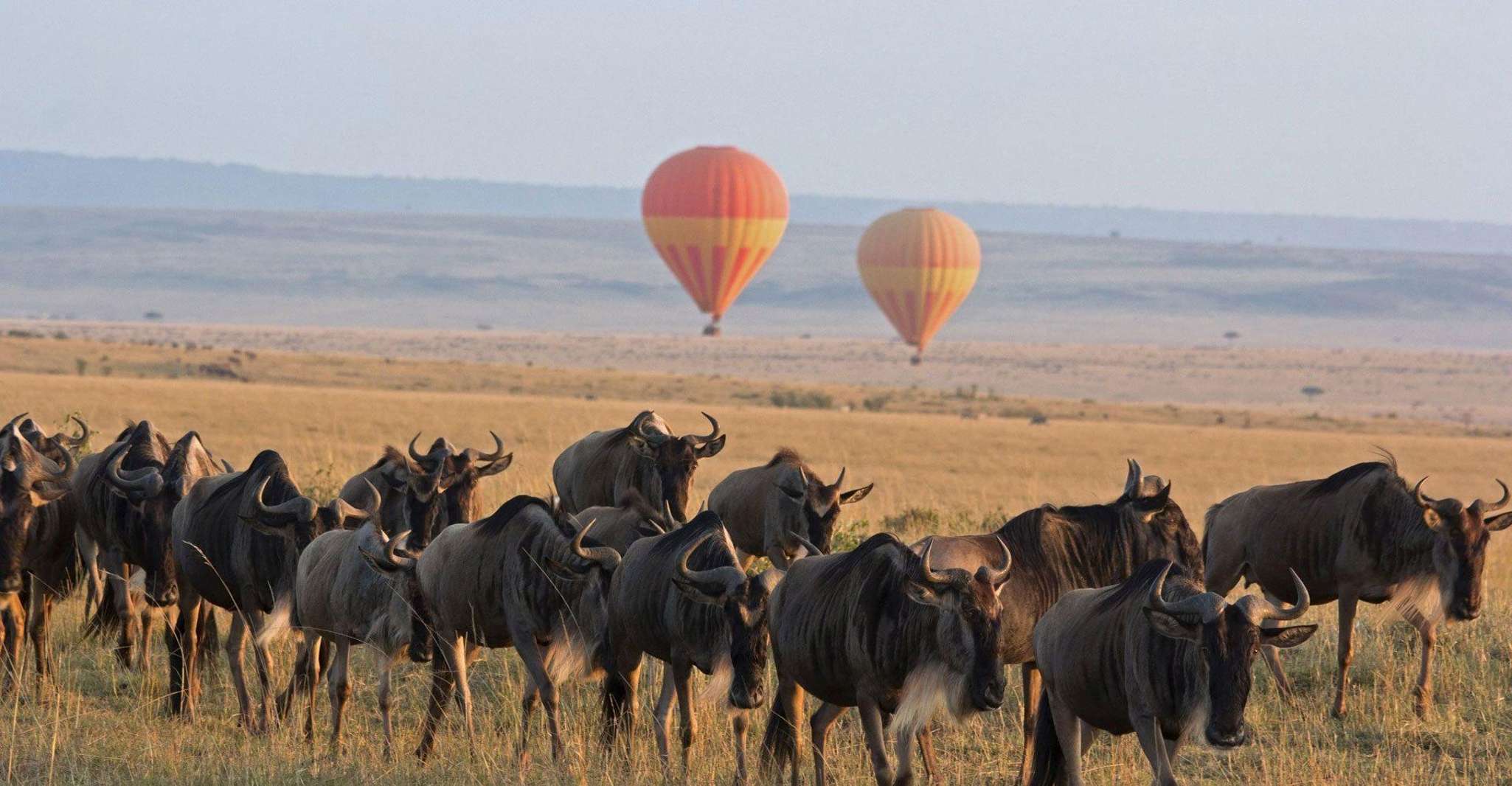
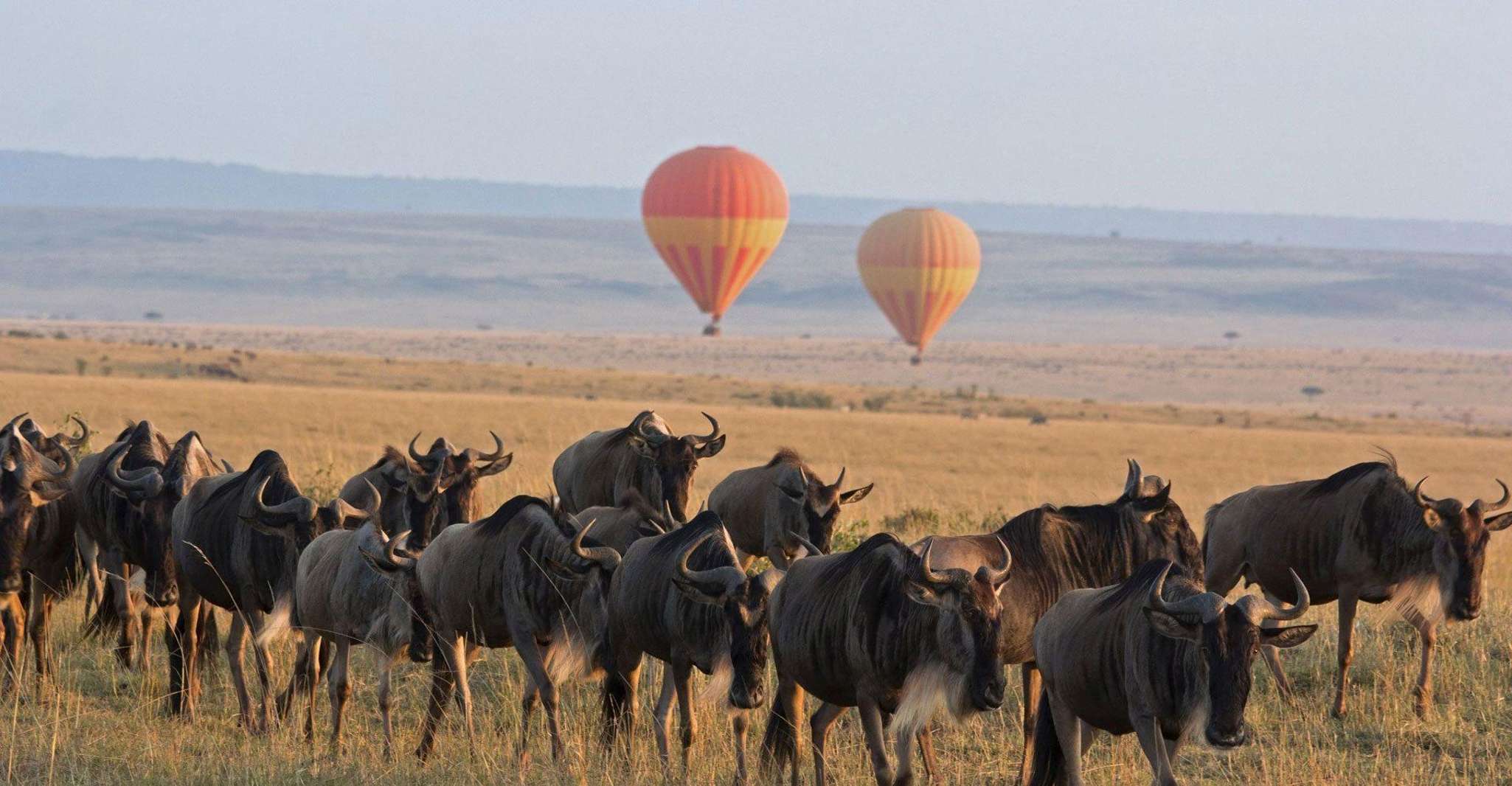
Embark on an exhilarating wildlife adventure at the heart of the Serengeti ecosystem! Witness one of nature's most spectacular spectacles as the iconic wildebeests undertake their annual migration across the expansive Masai Mara plains. Join us for an unforgettable experience where zebras, leopards, lions, hyenas, cheetahs, jackals, and even rare species like bat-eared foxes coexist within this breathtaking wilderness.
Key Highlights:
- Wildebeest Migration Period: Early July to Late September
- Spectacular Wildlife Viewing Opportunities
- Unique Ecological Diversity
- Opportunity to Encounter Rare Species
Experience the Masai Mara's unparalleled beauty and witness firsthand how these magnificent animals thrive under the watchful eyes of conservationists dedicated to preserving this natural wonderland. Don't miss out on this once-in-a-lifetime opportunity to immerse yourself in Africa's rich biodiversity.
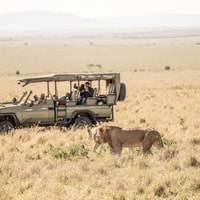
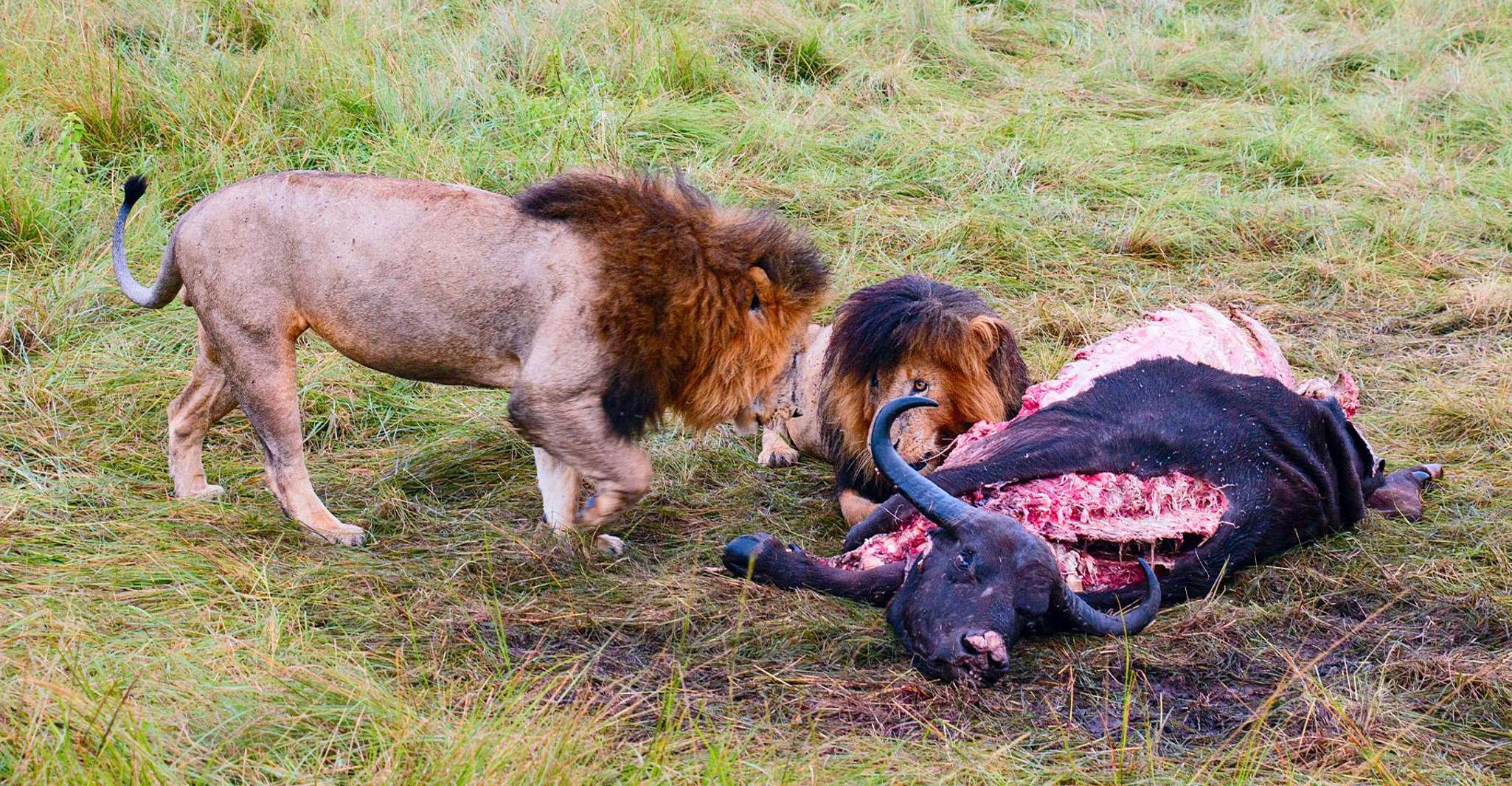
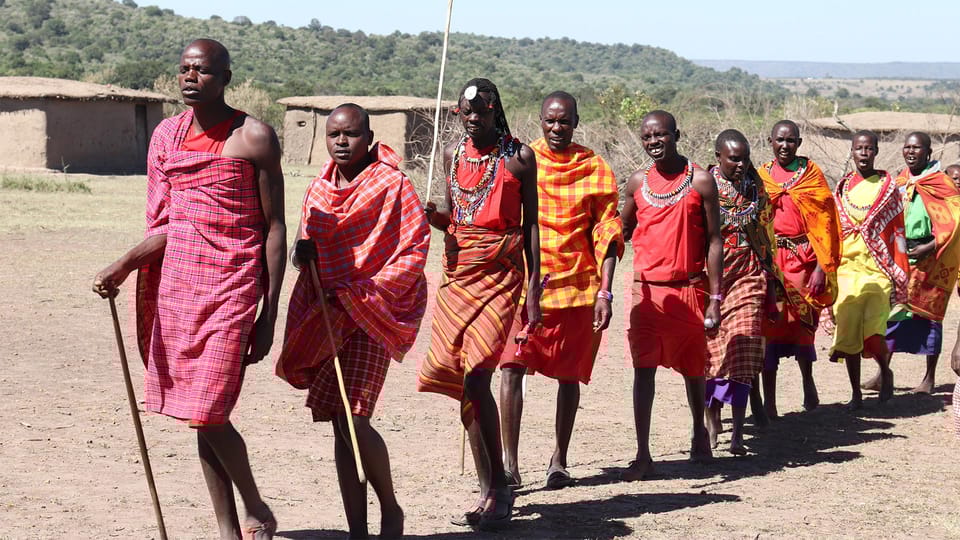
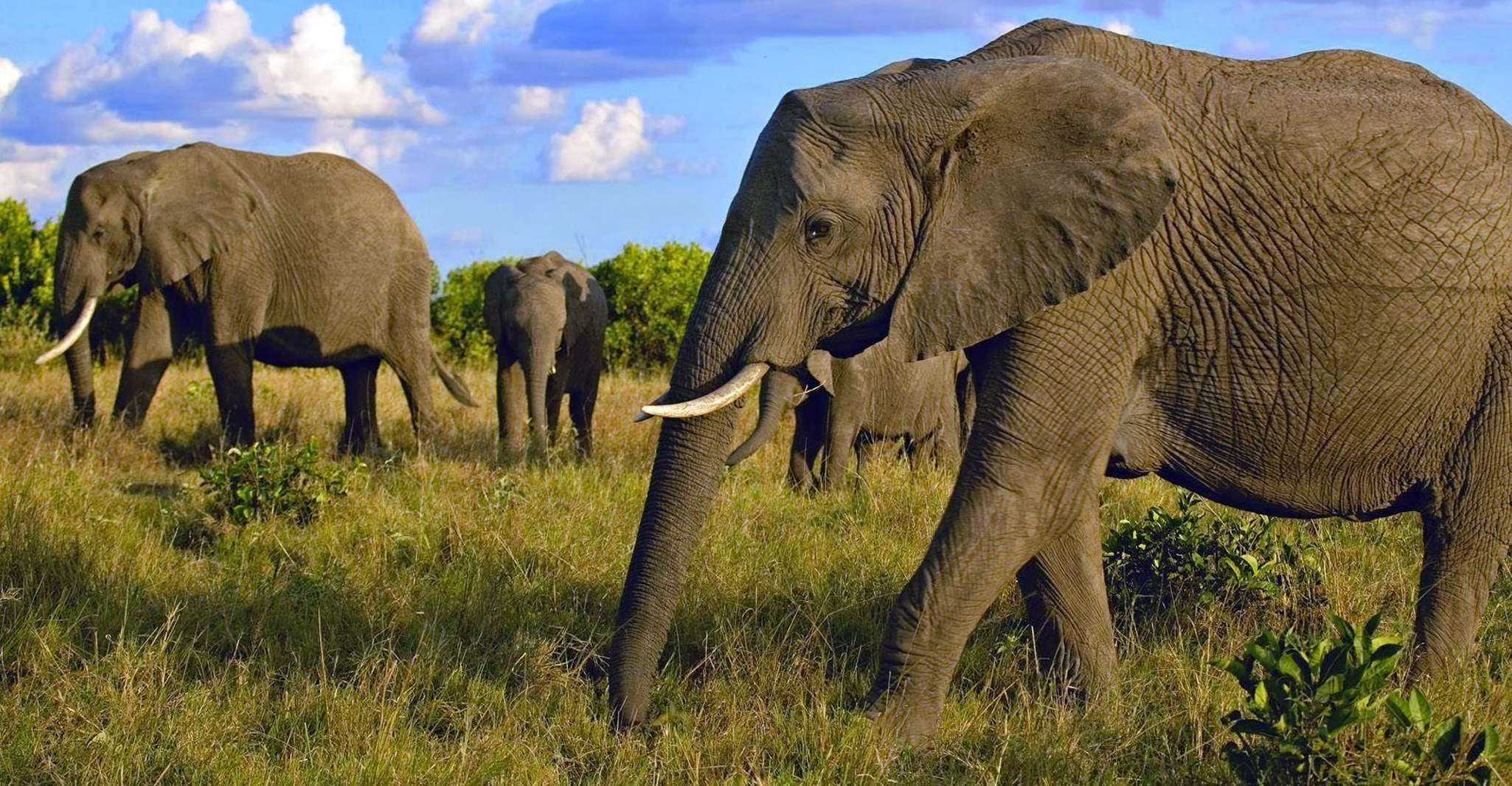
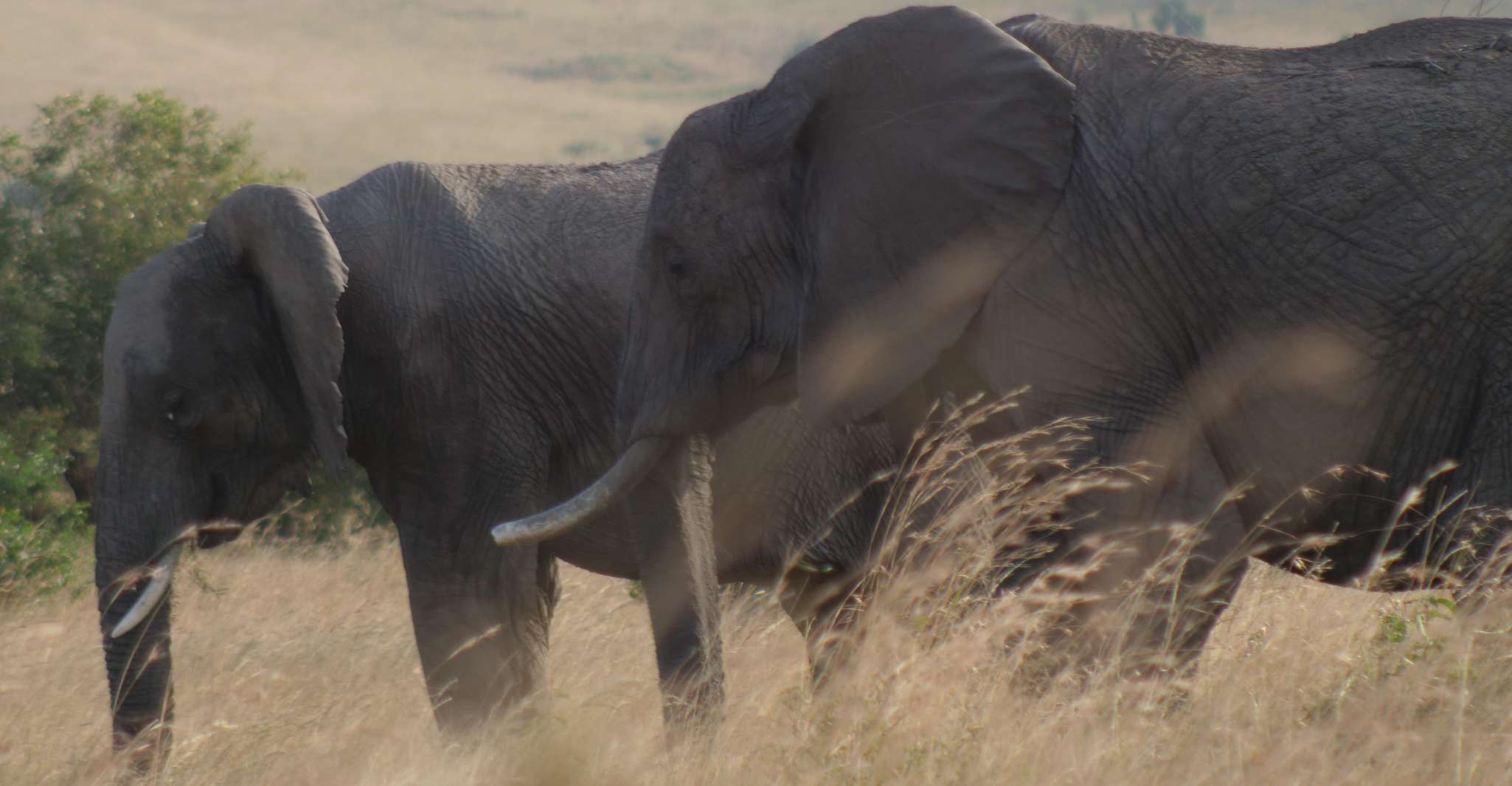
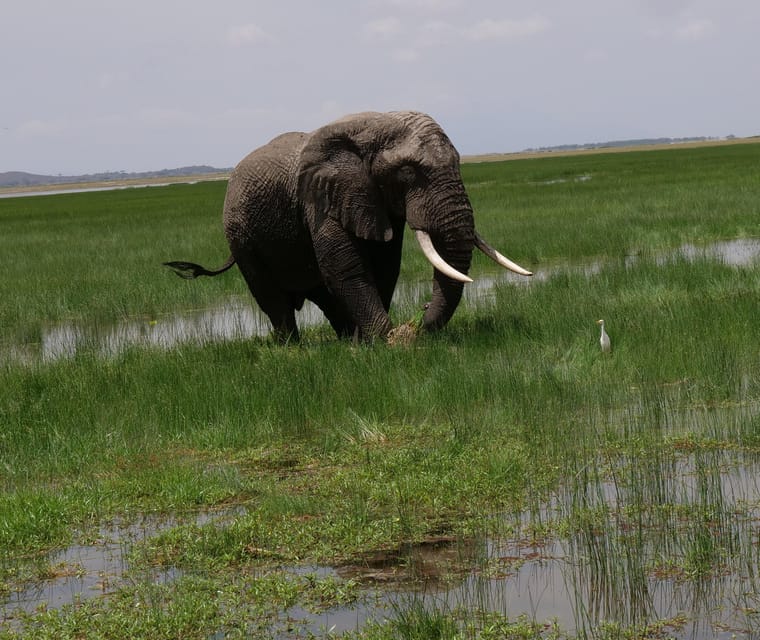
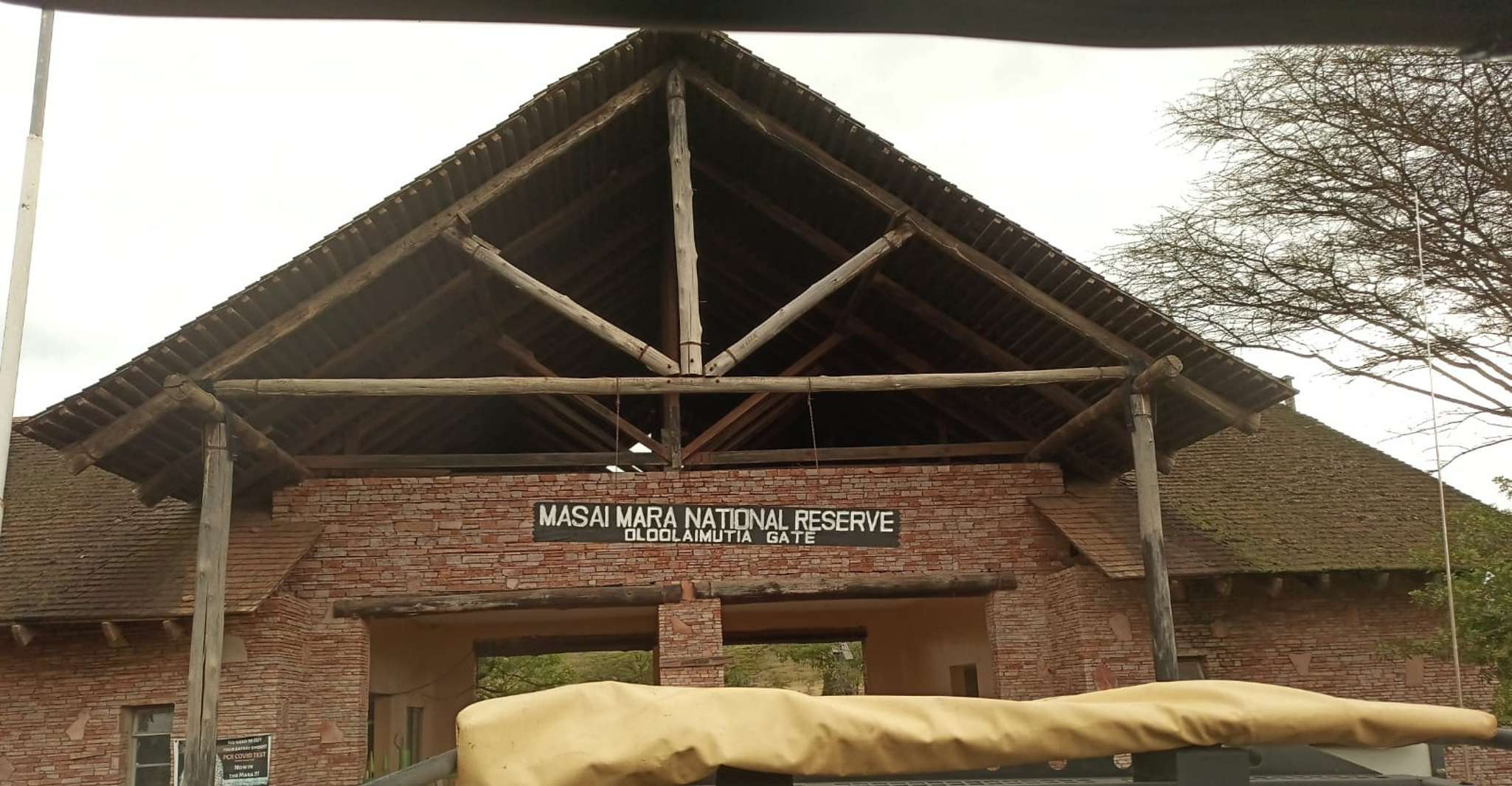
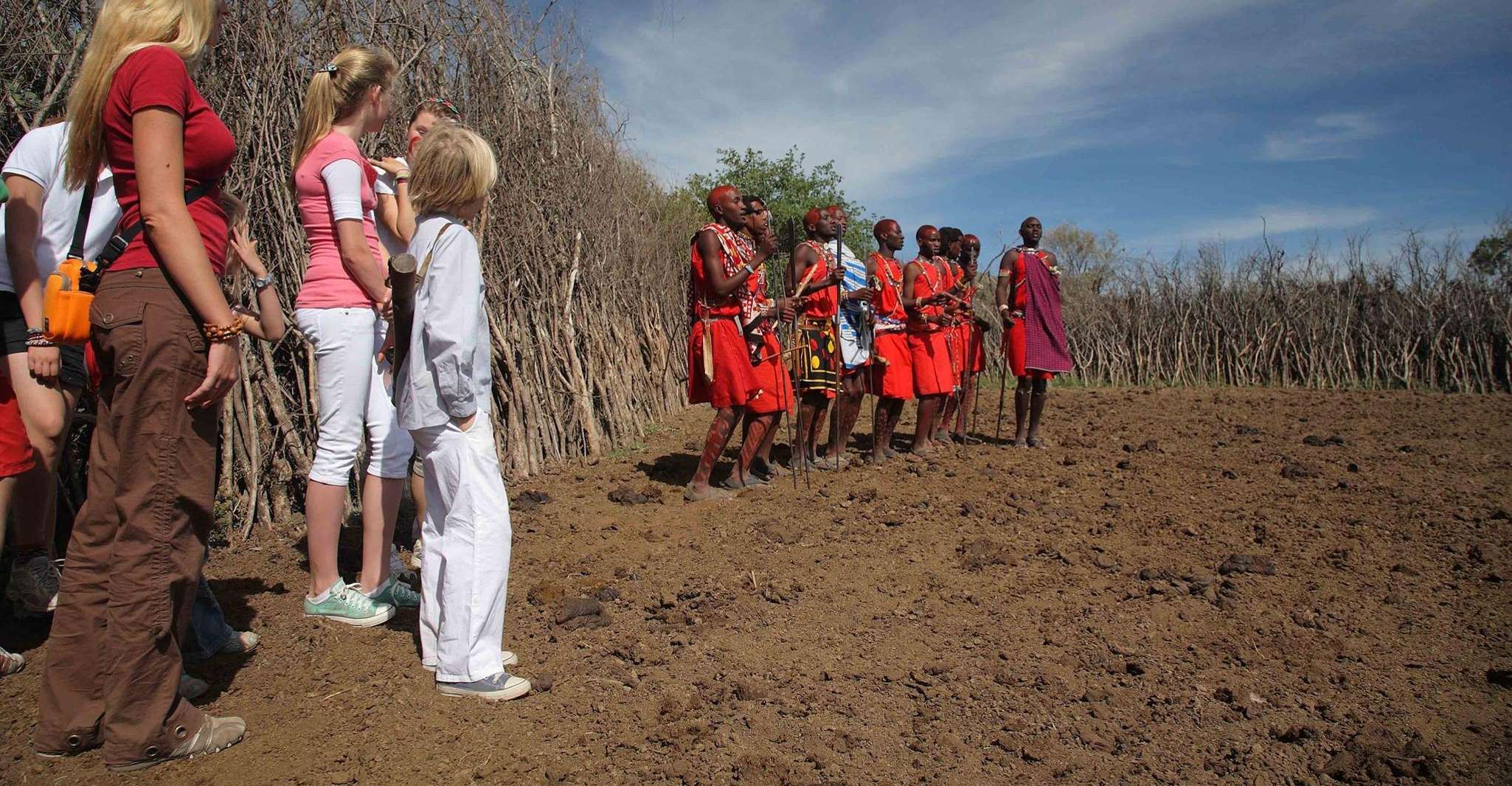
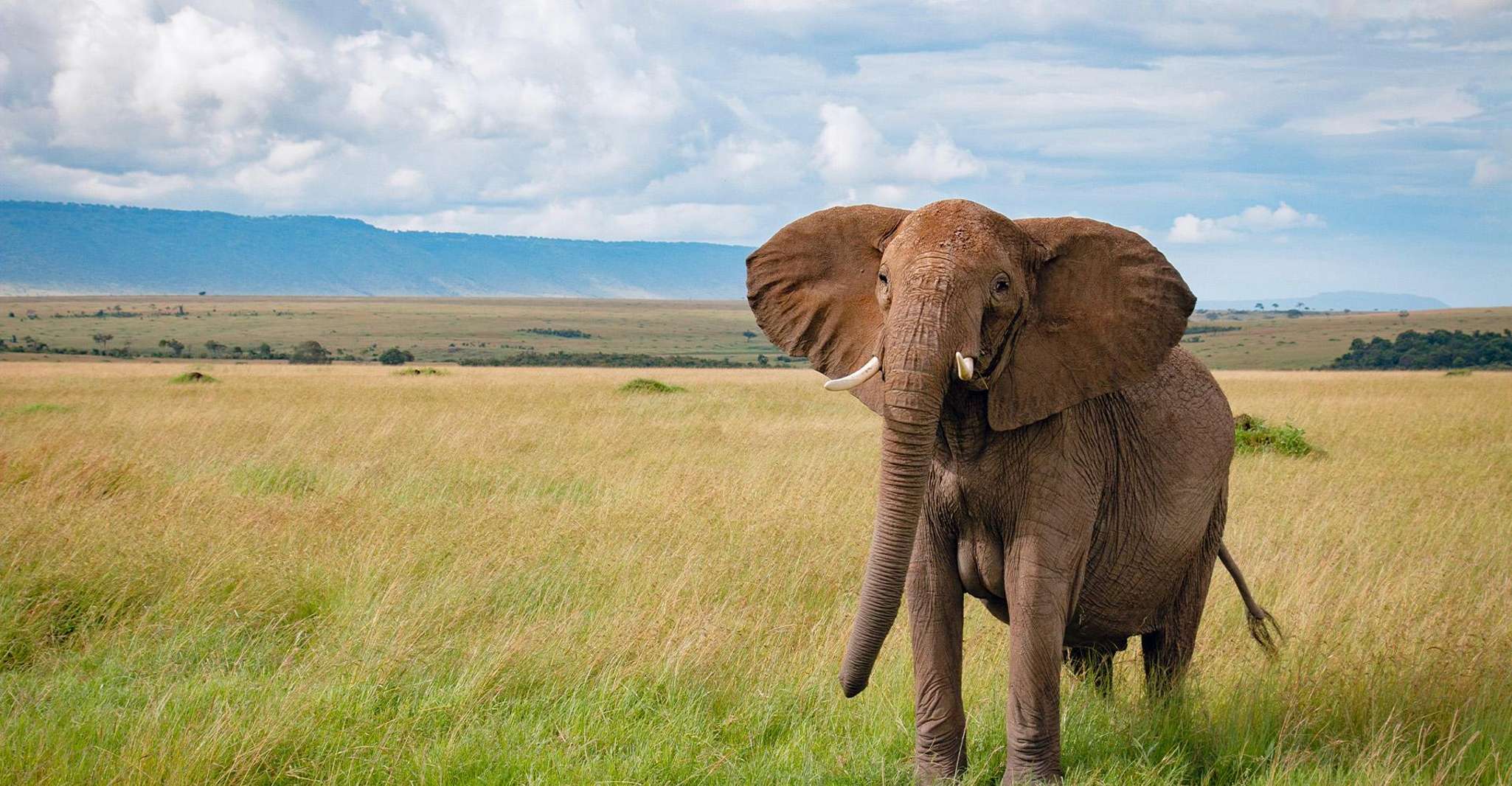
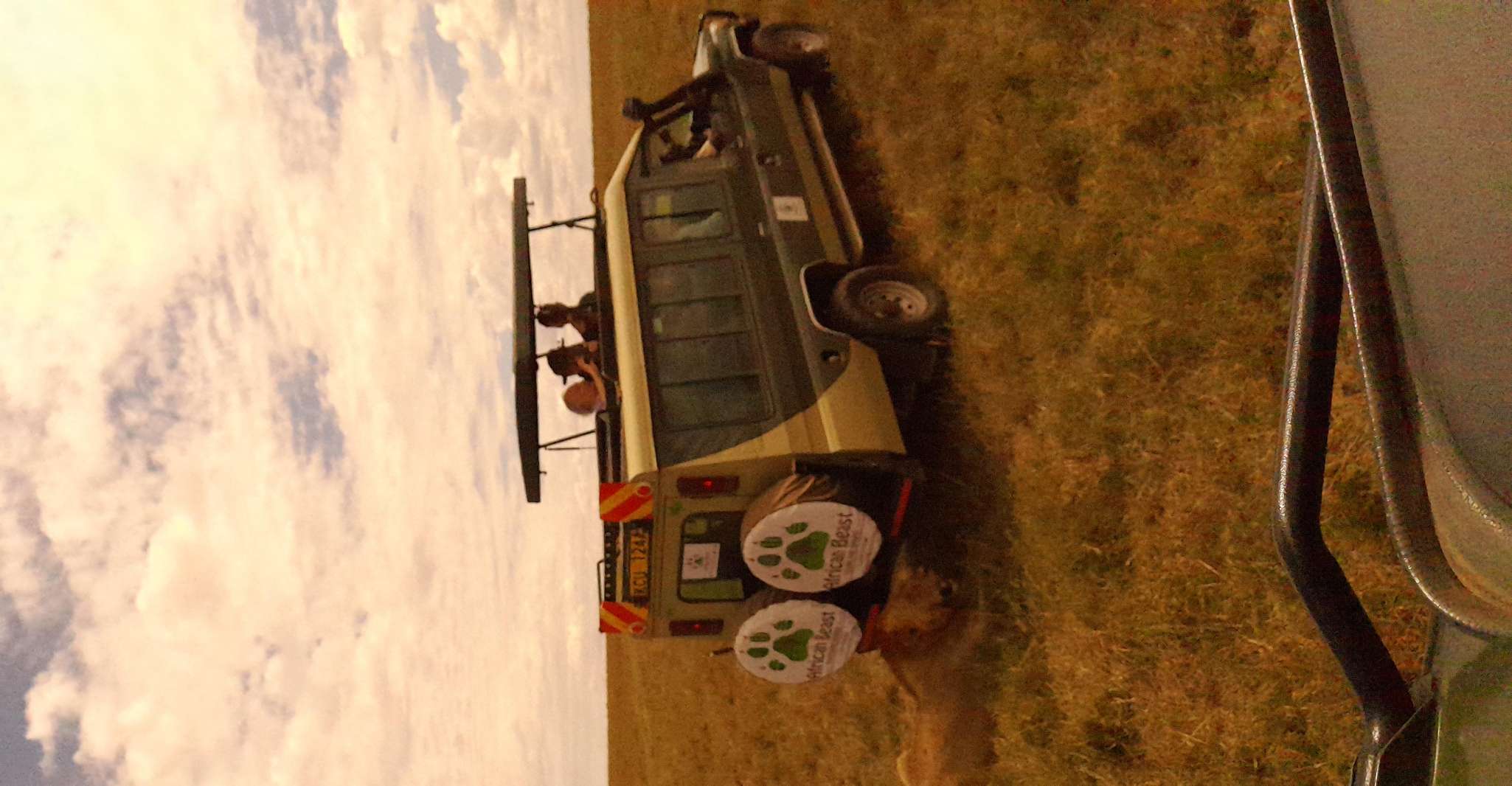
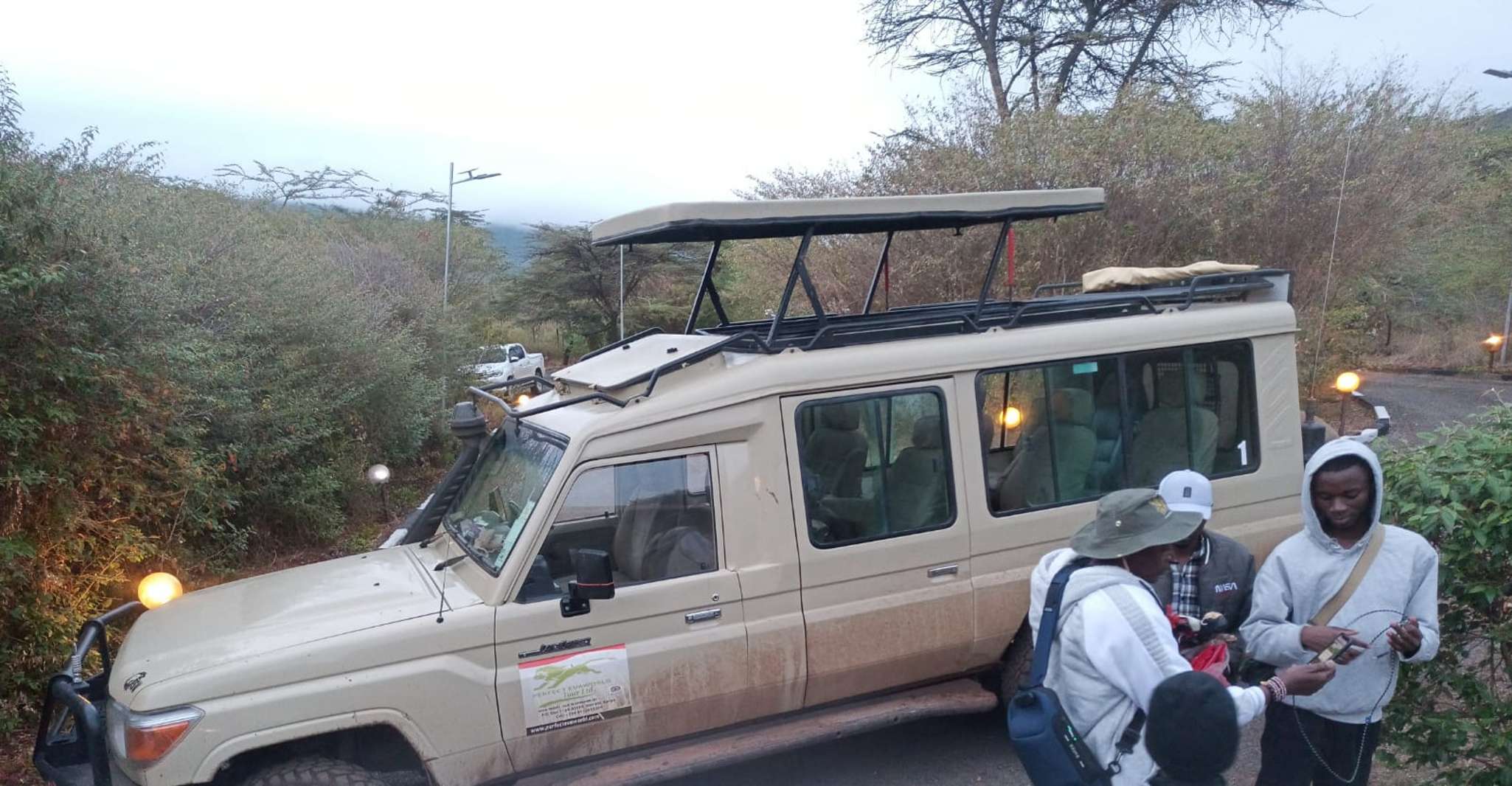
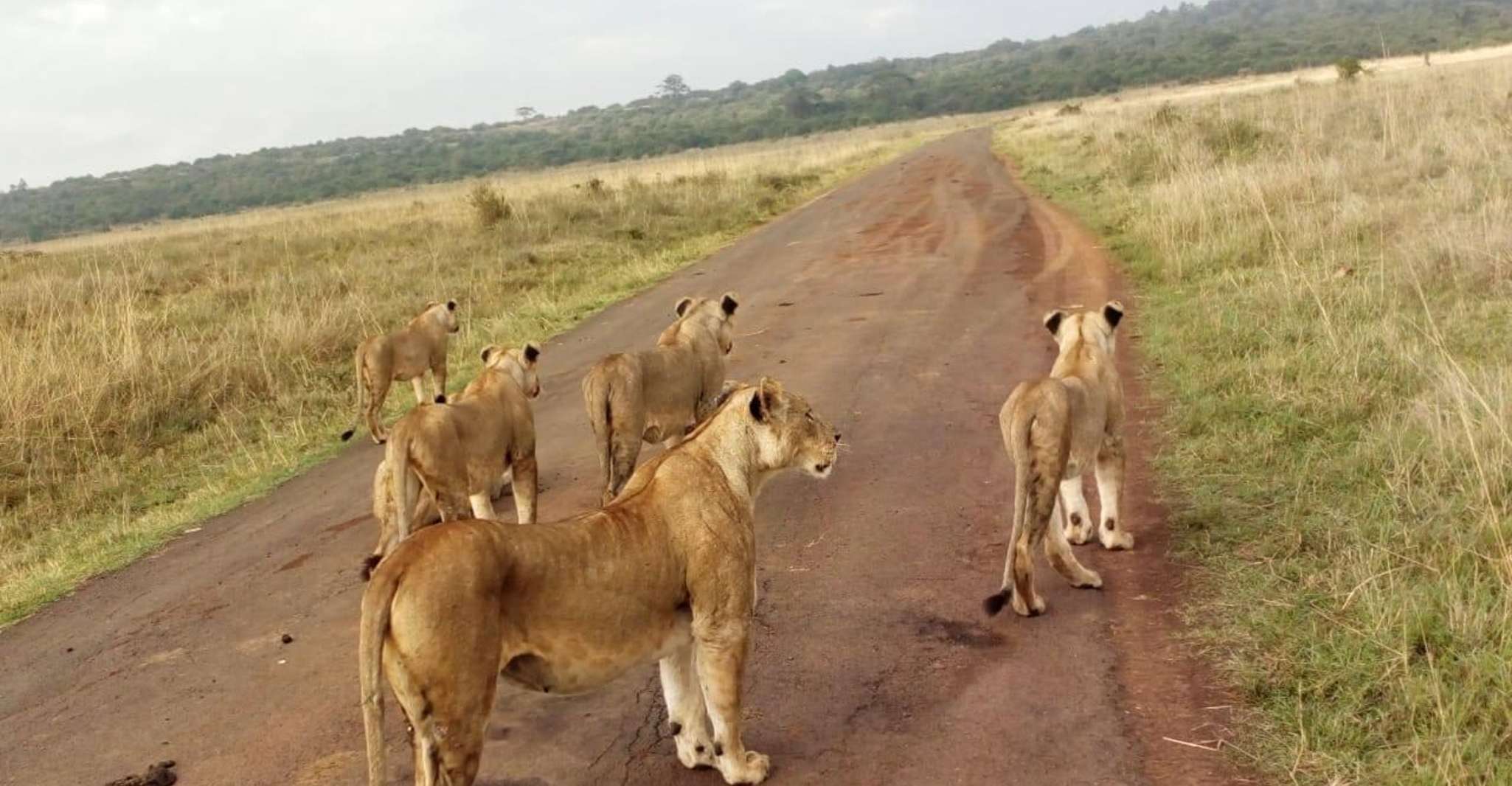
Day 1: Depart Nairobi early in the morning for Masai Mara Game Reserve, stopping at the escarpment for photography. Proceed to Masai Mara Game Reserve. This renowned destination in Kenya attracts millions annually due to its abundance of wildlife, including the iconic Big Five—lions, leopards, buffaloes, rhinos, and elephants. This area offers an unparalleled experience where visitors can immerse themselves in Africa’s natural beauty. Engage with the friendly Masai tribes, eager to welcome guests into their vibrant culture. Upon arrival, settle into your camp for lunch and enjoy leisurely activities before embarking on a late-afternoon game drive.
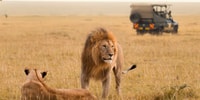
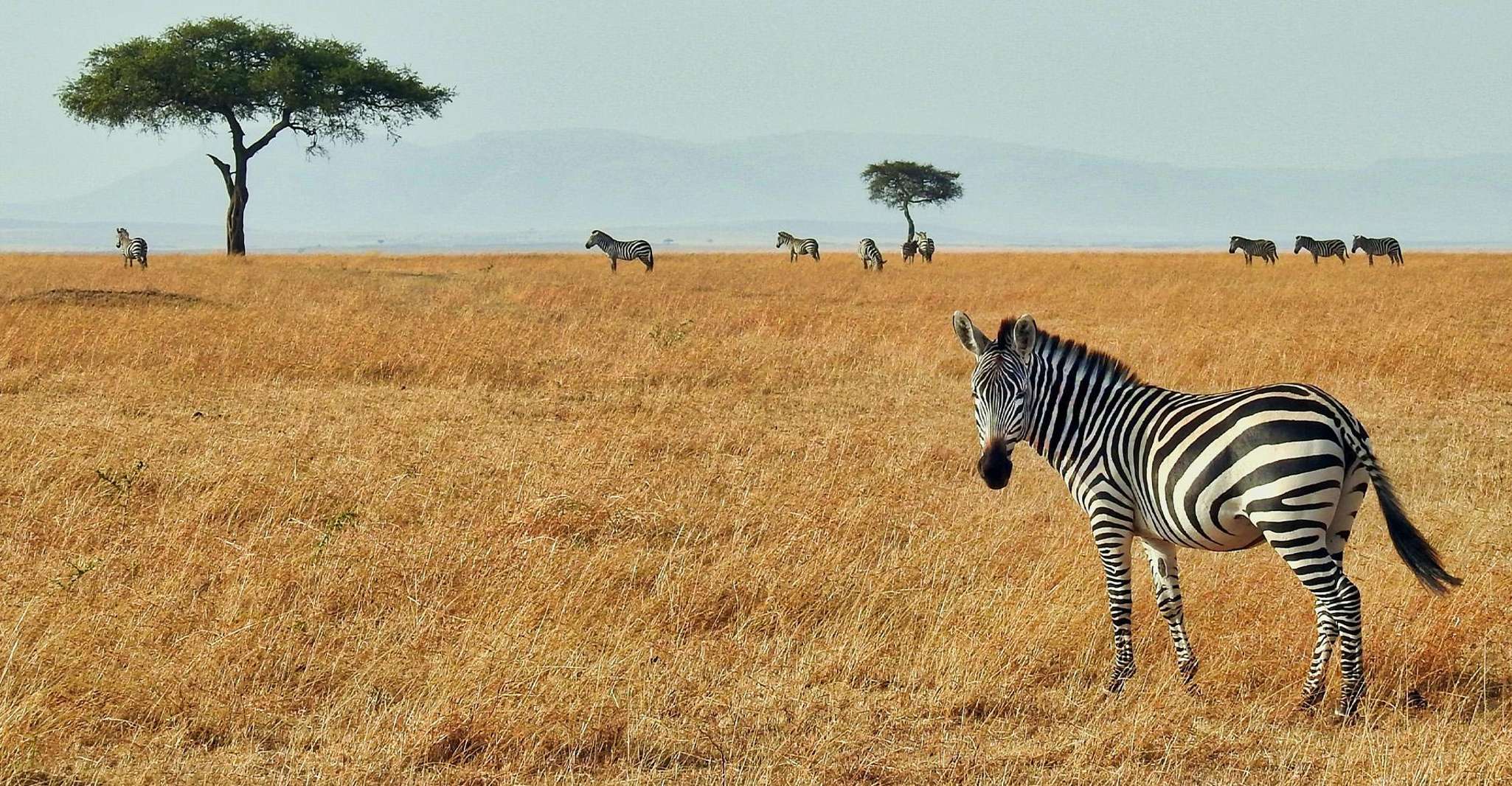
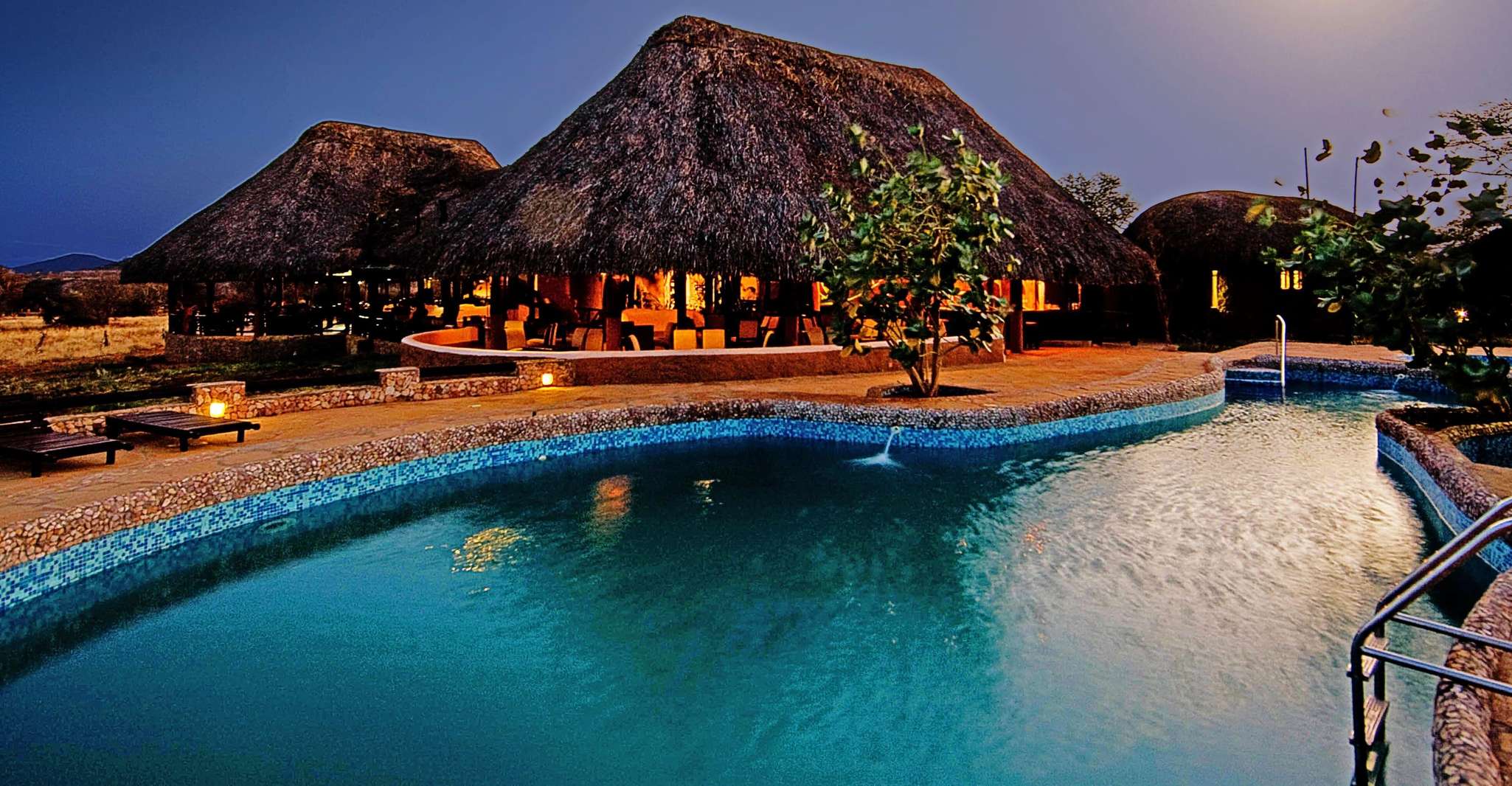
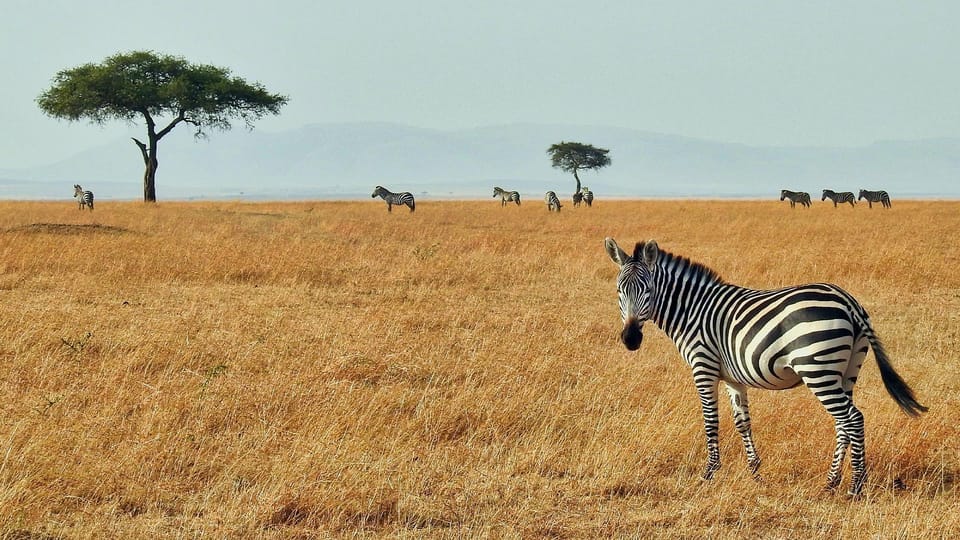
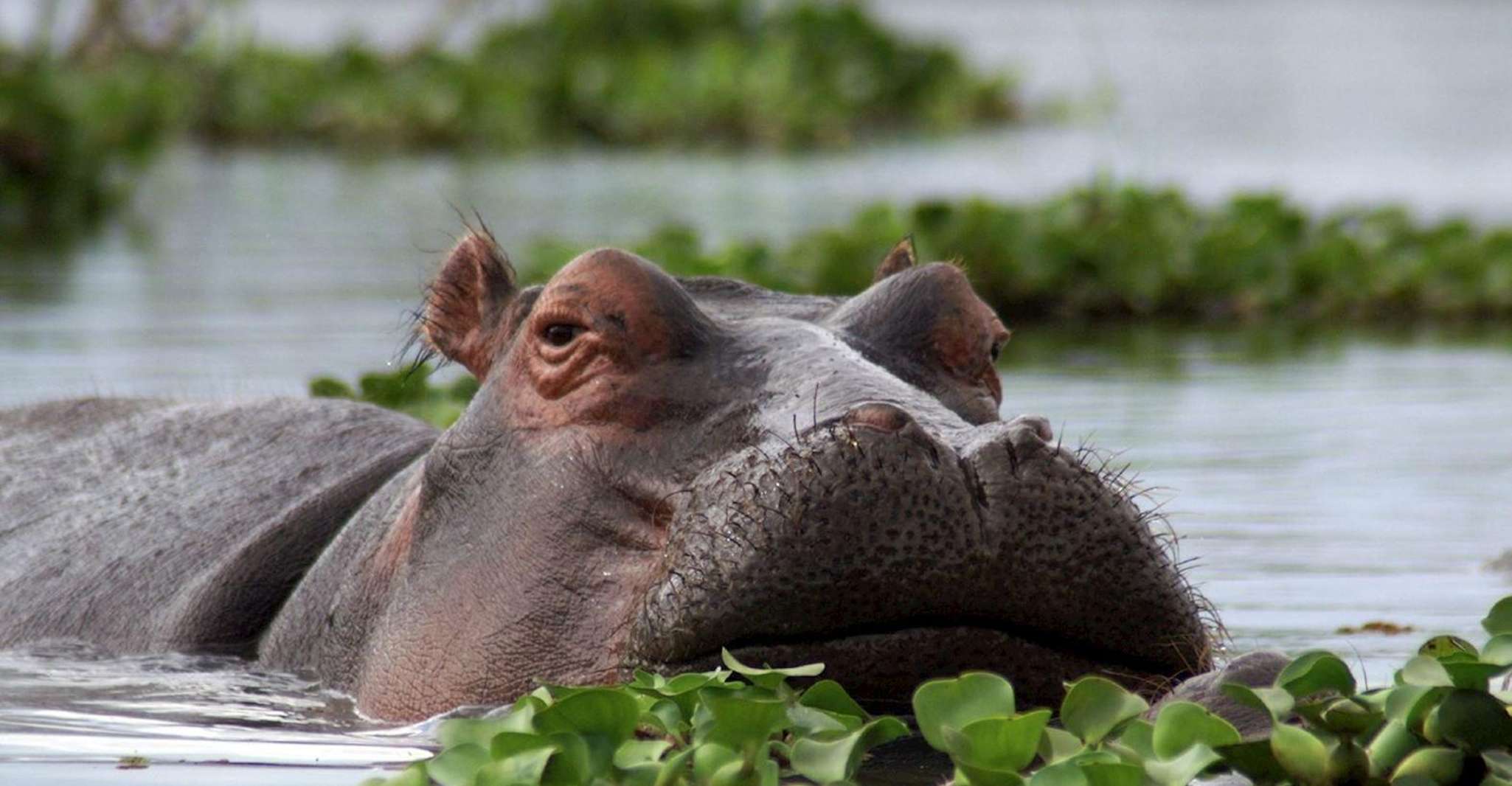
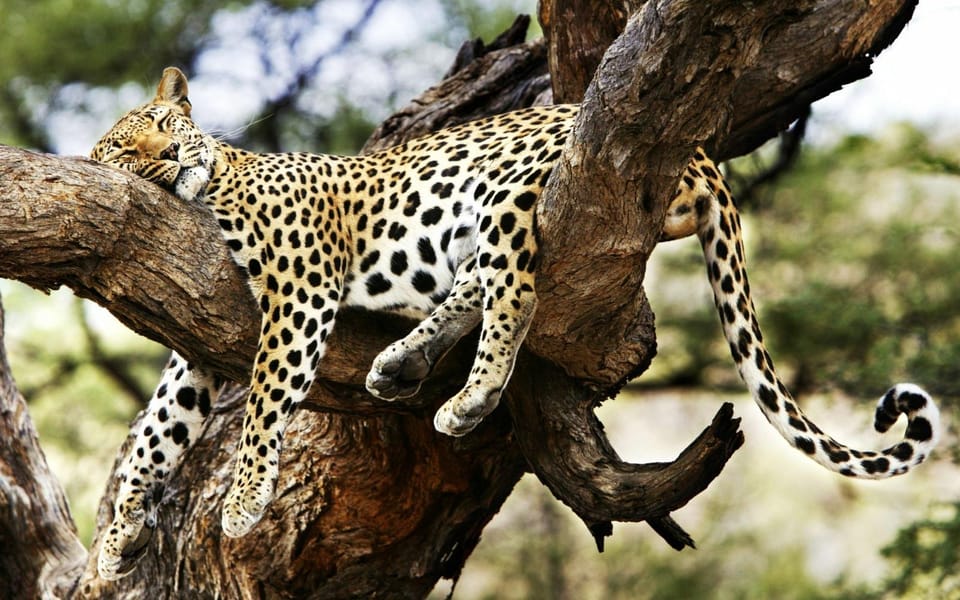
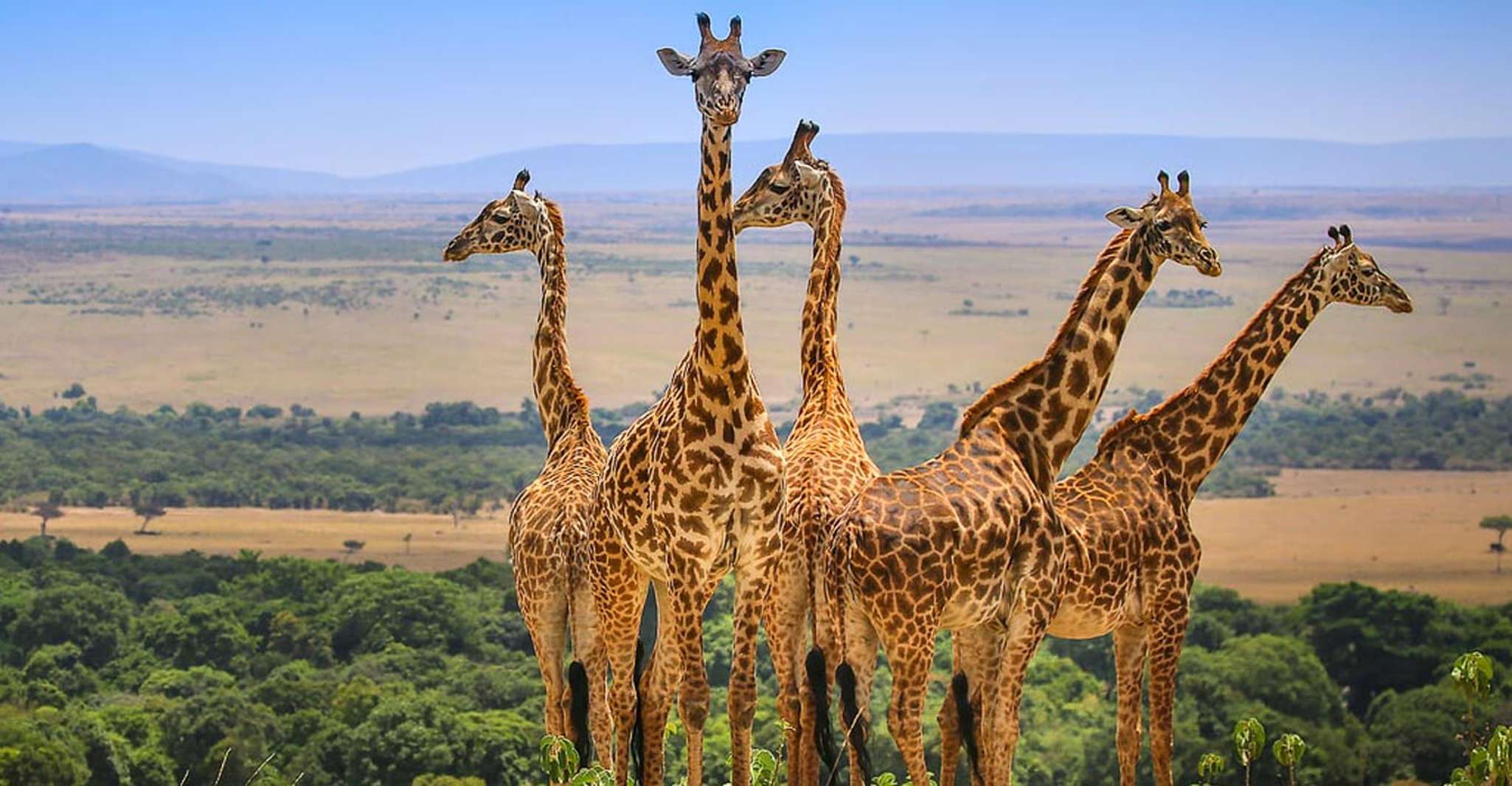
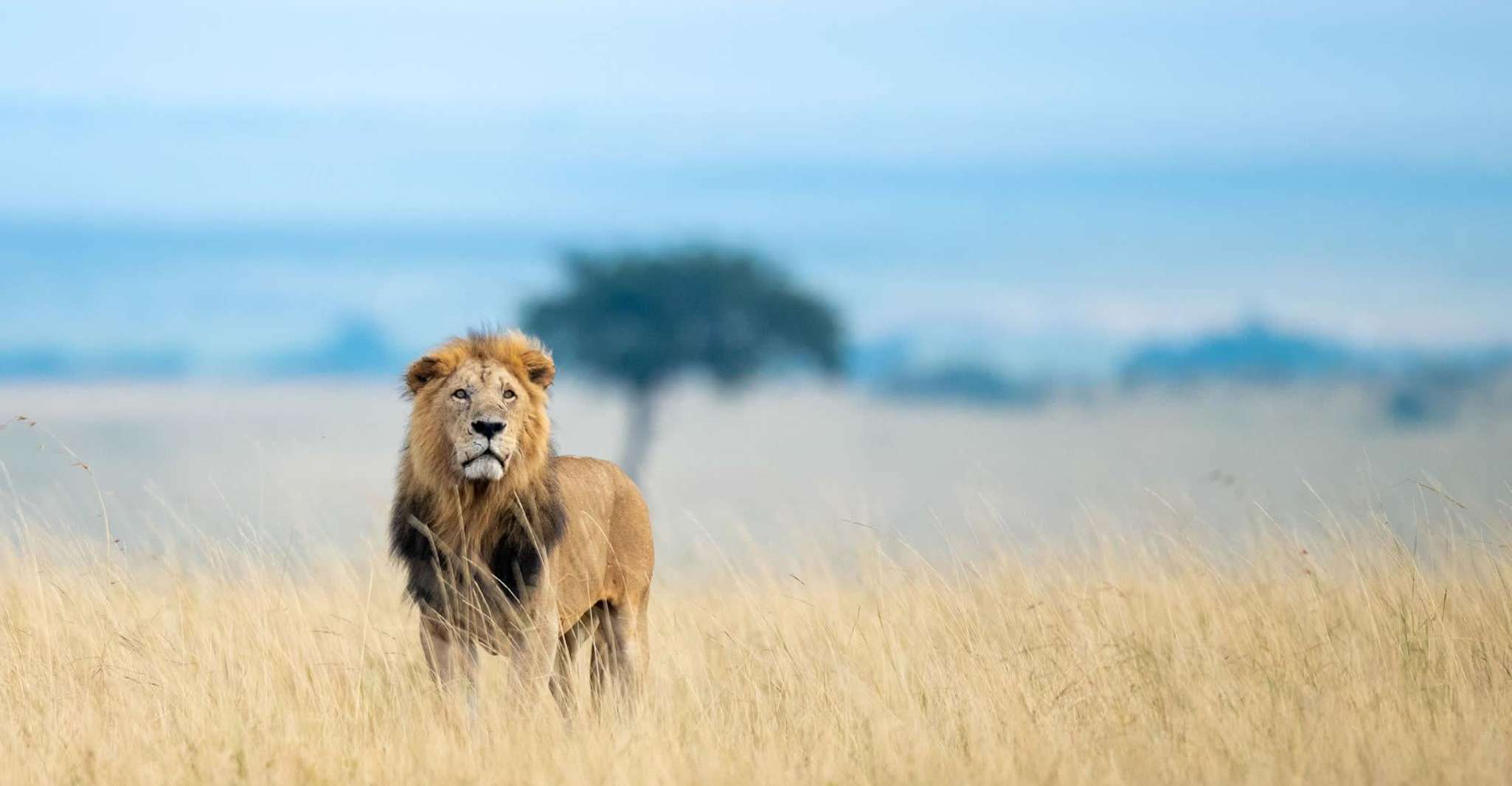
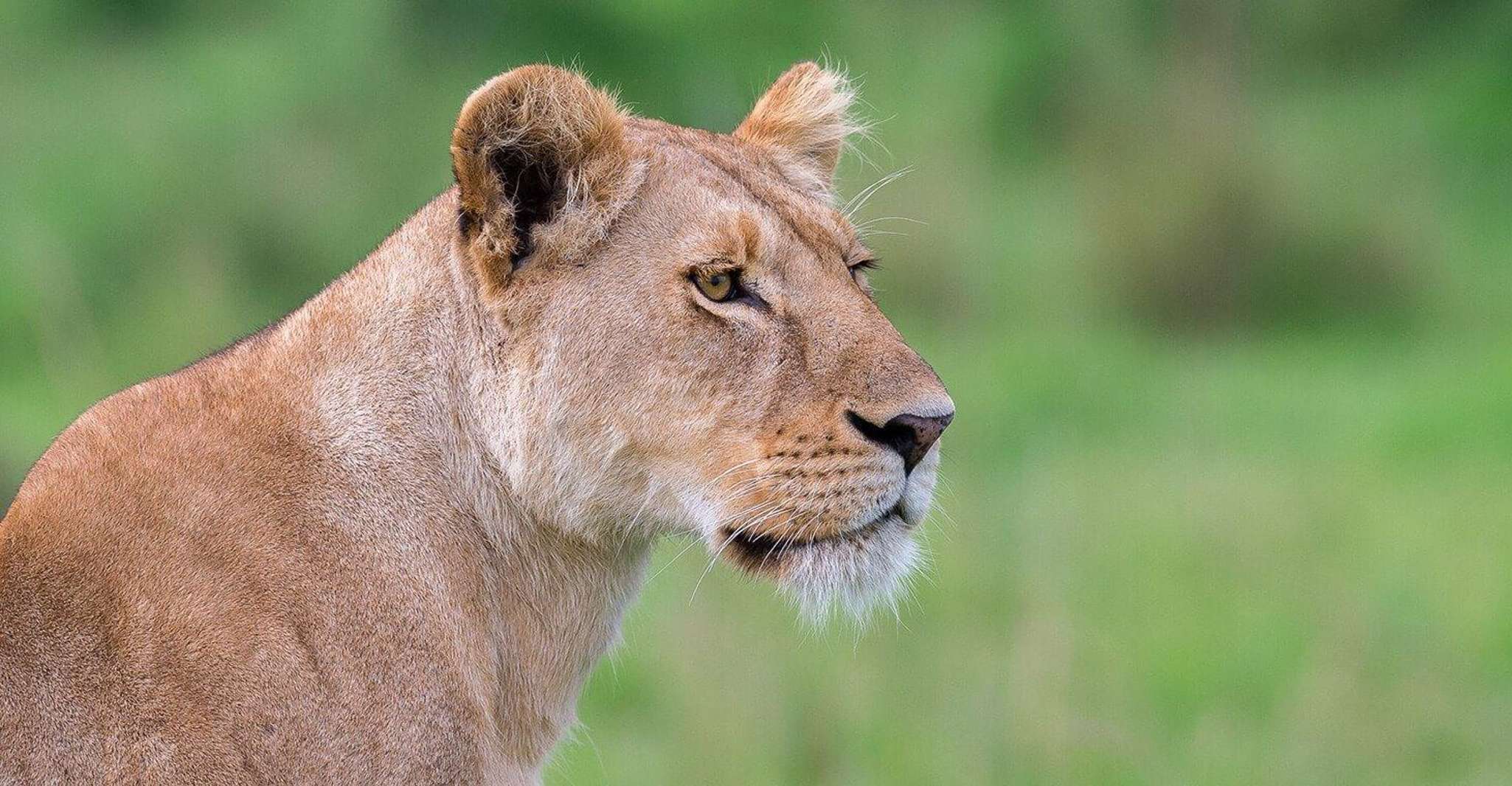
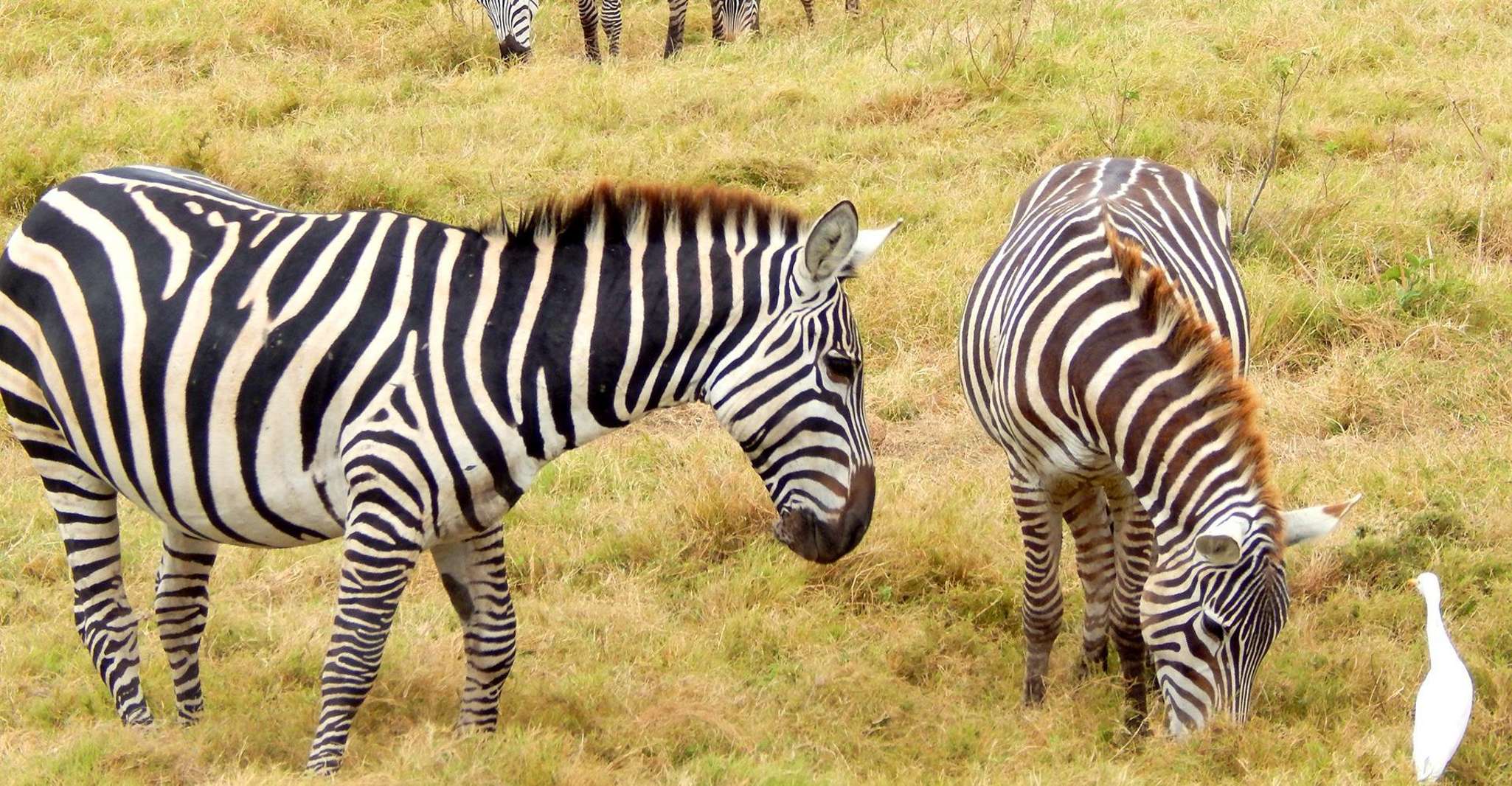
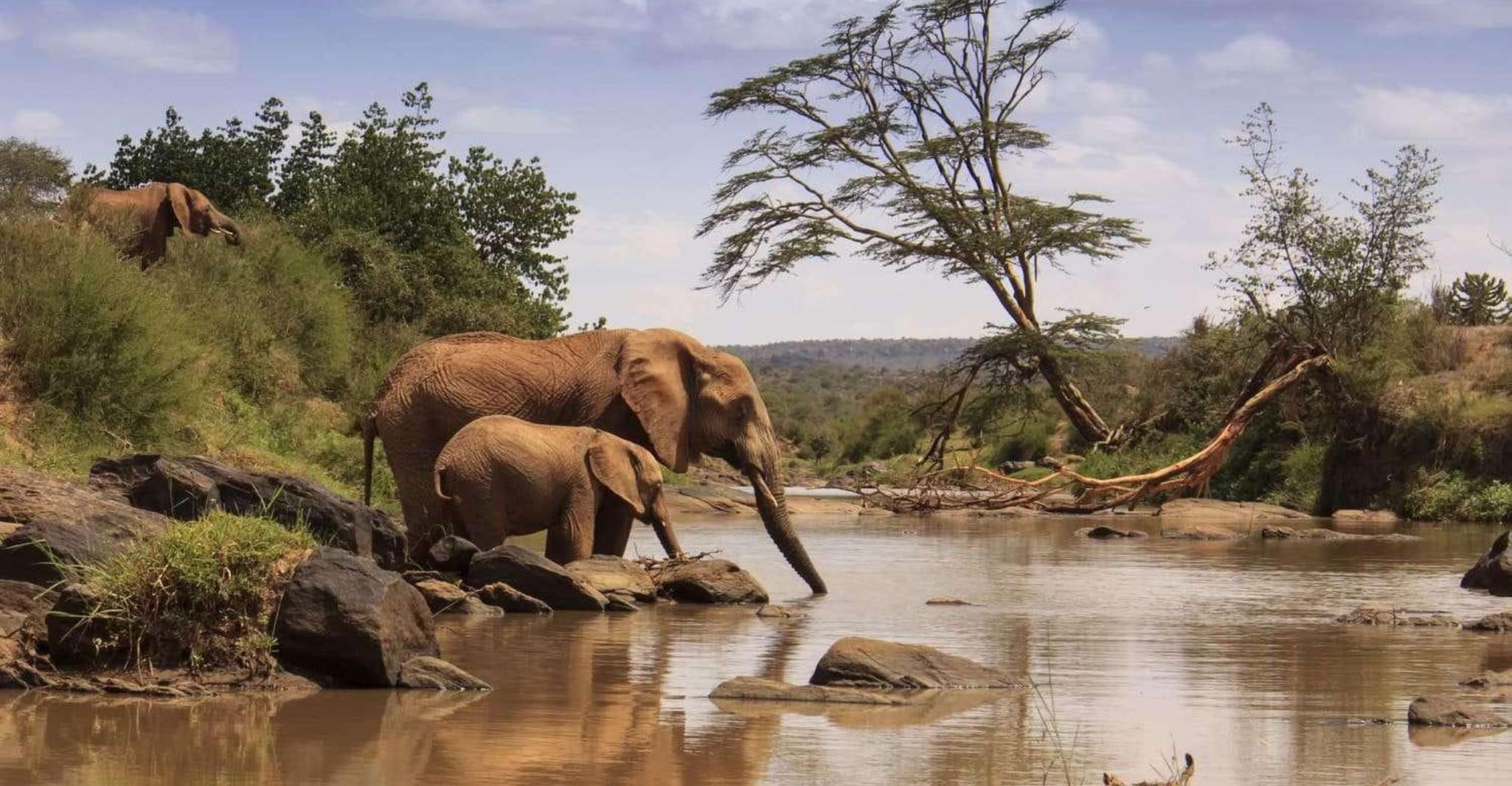
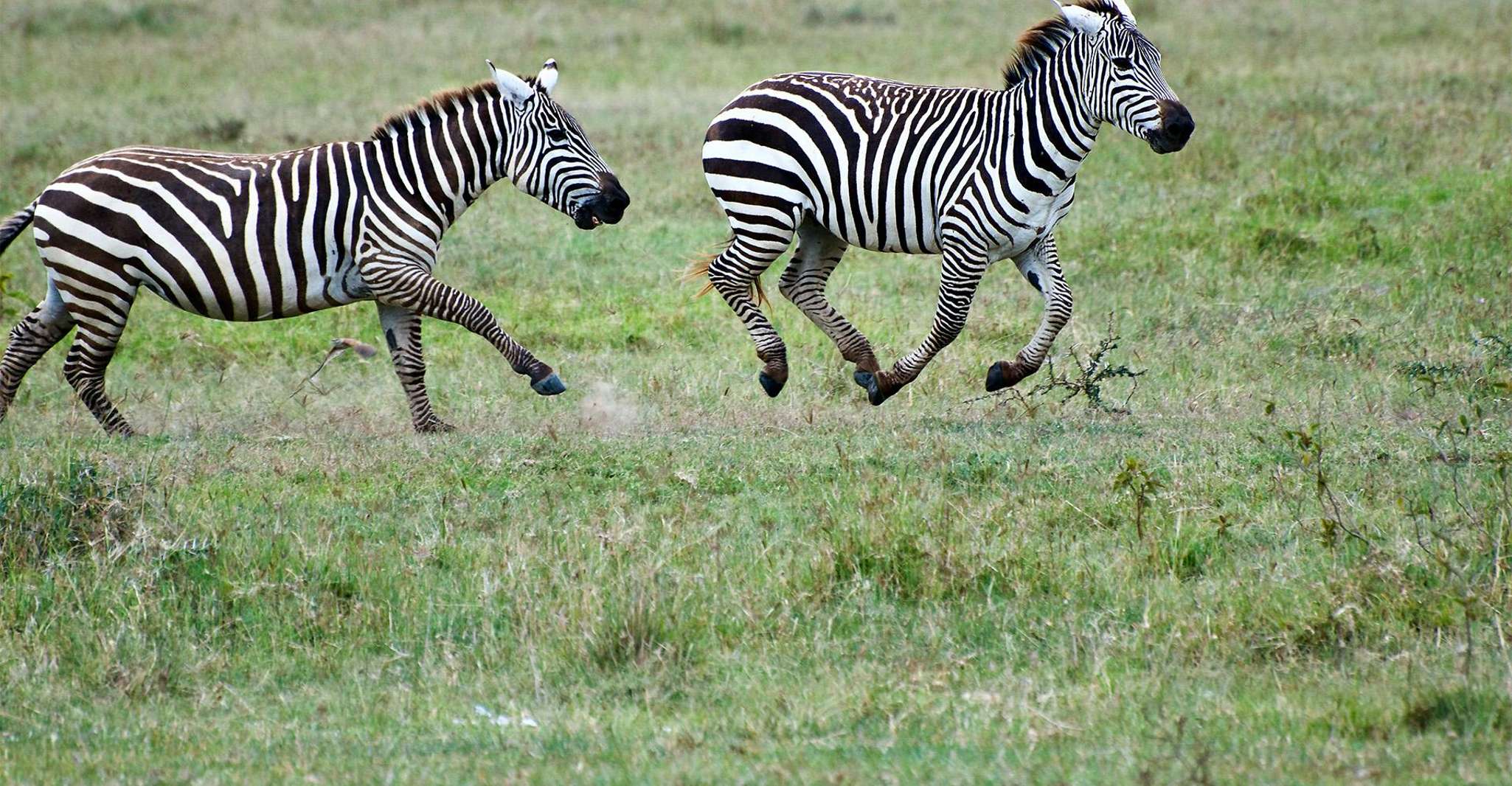
Day 2 & 3: Embark on a full-day adventure in Masai Mara Game Reserve. Begin with an early morning game drive followed by a relaxing breakfast. Throughout the day, explore the expansive landscapes and diverse ecosystems, seeking sightings of key species such as wildebeests during the migration period, zebras, impalas, giraffes, Thomson's gazelles, leopards, lions, hyenas, cheetahs, jackals, and bat-eared foxes. Keep an eye out for elusive black rhinos, which are occasionally spotted but require patience and luck. Additionally, observe hippos in the Mara River and large Nile crocodiles, waiting patiently along the banks for unsuspecting prey. End your day at the Rhino Tented Camp, savoring dinner and settling down for the night.
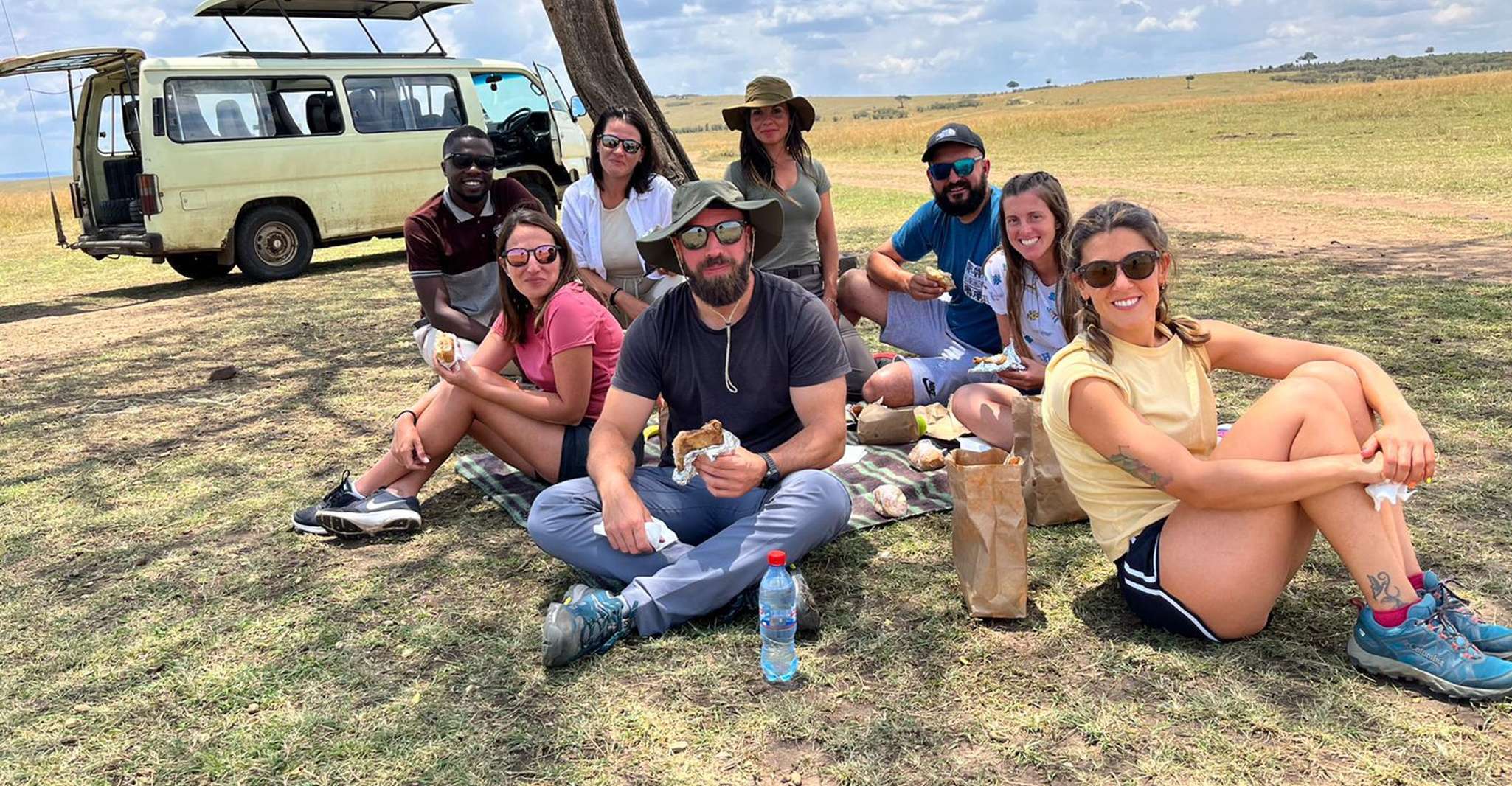
Day 4: Head back to Masai Mara Game Reserve, departing after breakfast and checking out of your accommodation. Proceed to Nairobi via a 5-hour drive, ensuring a smooth transition to your next destination. Upon arrival, dine at Carnivore for a memorable post-trip meal. Later, take advantage of additional game drives with packed lunches until approximately 12:00 PM, then proceed to Nairobi. Reach Nairobi around 5 to 6 PM, allowing ample time to either drop off at your hotel or airport, depending on your travel plans.
 Book
Book
| Highlights |
|
|---|---|
| Includes |
|

Free cancellation
Cancellation up to two days prior shall entitle the recipient to a full refund.

Reserve now & pay later
Maintain flexibility in your travel arrangements by booking your desired accommodation or activity with no obligation to make payments immediately.

Duration 4 days
Verify schedule to determine commencement hours.

Live tour guide
Please provide the text you would like me to rewrite in a formal manner.
From
127€Per Person
Maintain flexibility in your travel arrangements by booking your desired accommodation or activity with no obligation to make payments immediately.
 Give as a gift
Kenya, Kenya  See on map
The Wildebeest Migration Season occurs from Early July to Late September.
The Wildebeest Migration takes place in the Masai Mara plains, located in Kenya.
The Wildebeest Migration begins in Early July.
The Wildebeest Migration lasts from Early July to Late September.
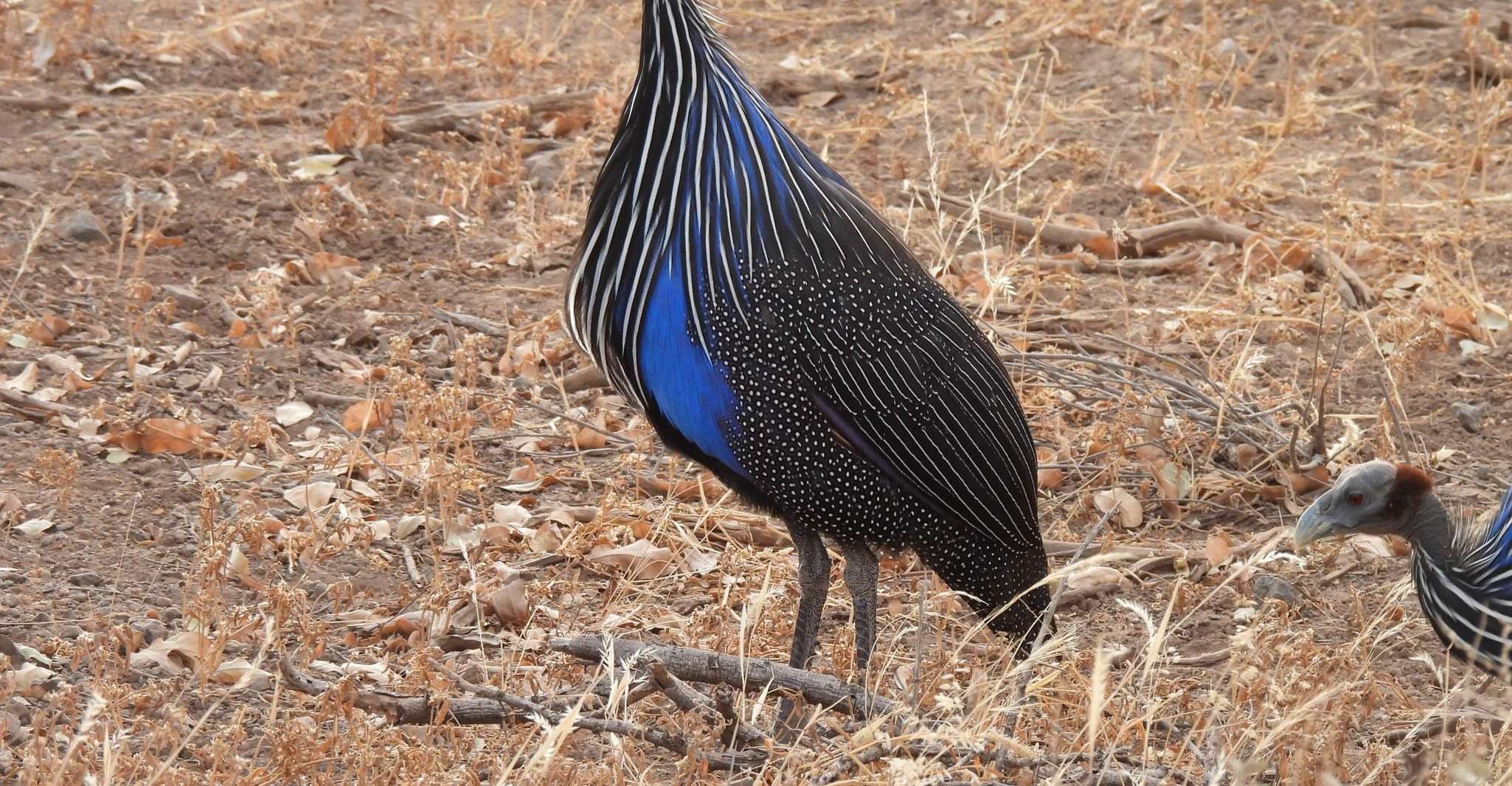
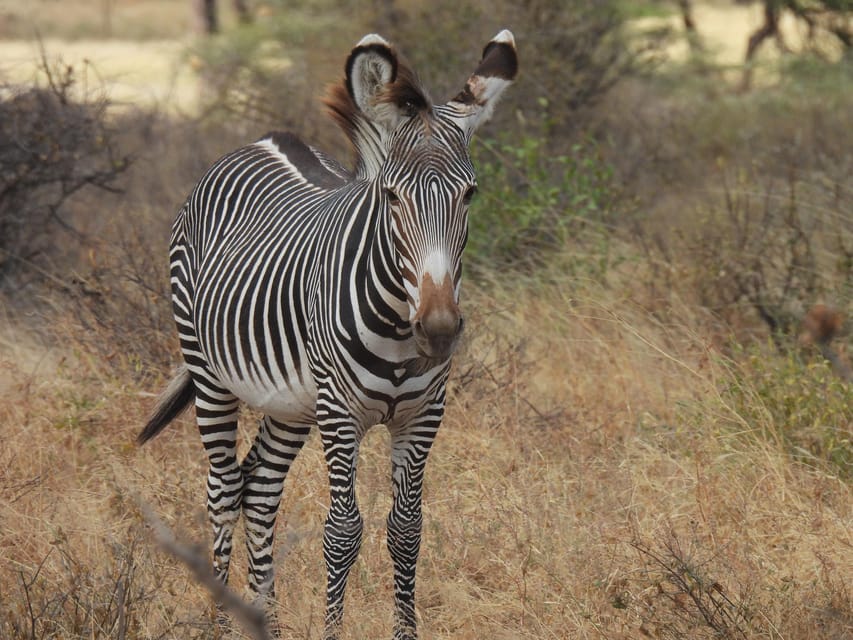
During the Wildebeest Migration, visitors can encounter key species such as wildebeests, zebras, impalas, giraffes, Thomson's gazelles, leopards, lions, hyenas, cheetahs, jackals, and bat-eared foxes.
Yes, rare species such as black rhinos may occasionally be spotted during the Wildebeest Migration, though they are typically difficult to see due to their elusive nature.




10
Excelent
Kenya, Kenya
10
Excelent
Kenya, Kenya
Kenya, Kenya
Kenya, Kenya
Kenya, Kenya
Kenya, Kenya
Kenya, Kenya
Kenya, Kenya

Subscribe to our newsletter and get the best offers!
By entering your email address, you consent to receive automatically generated personalized commercial proposals, including proposals and offers of products and services from us and selected third parties (your data will not be shared with them). For more information or to revoke your consent, please refer to our Privacy Policy (you can also unsubscribe by clicking on the link in the email).