
 English
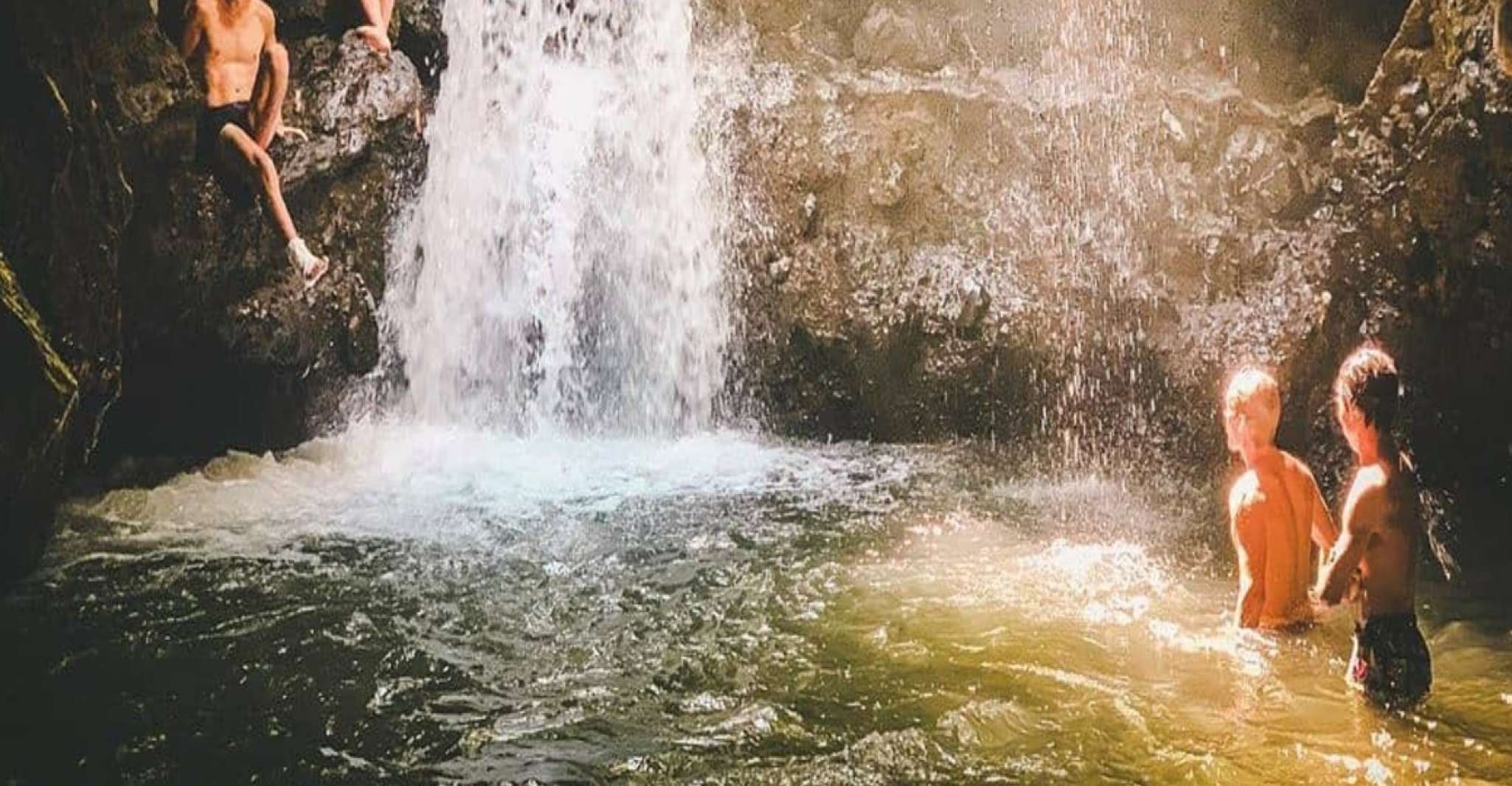
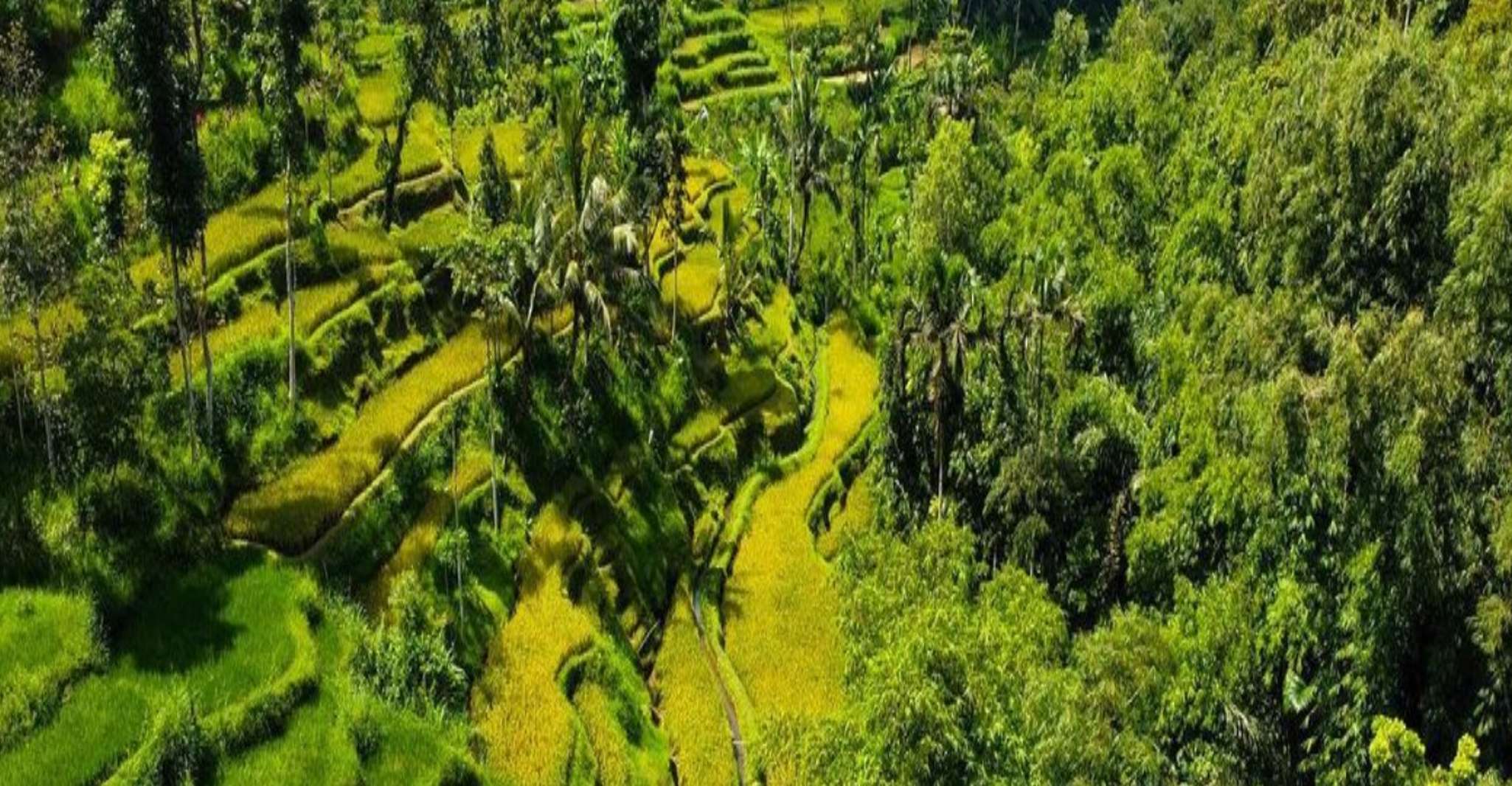
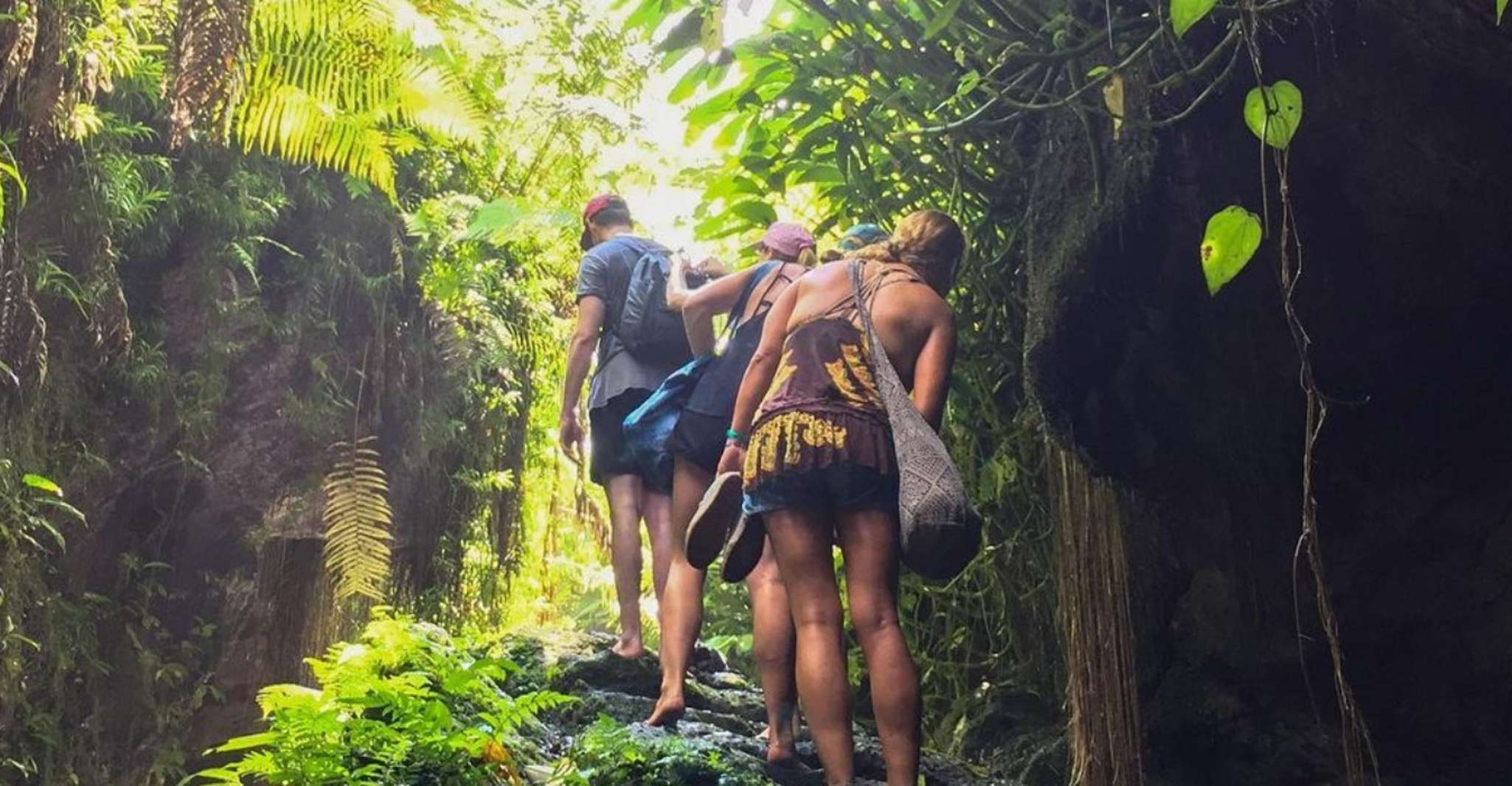
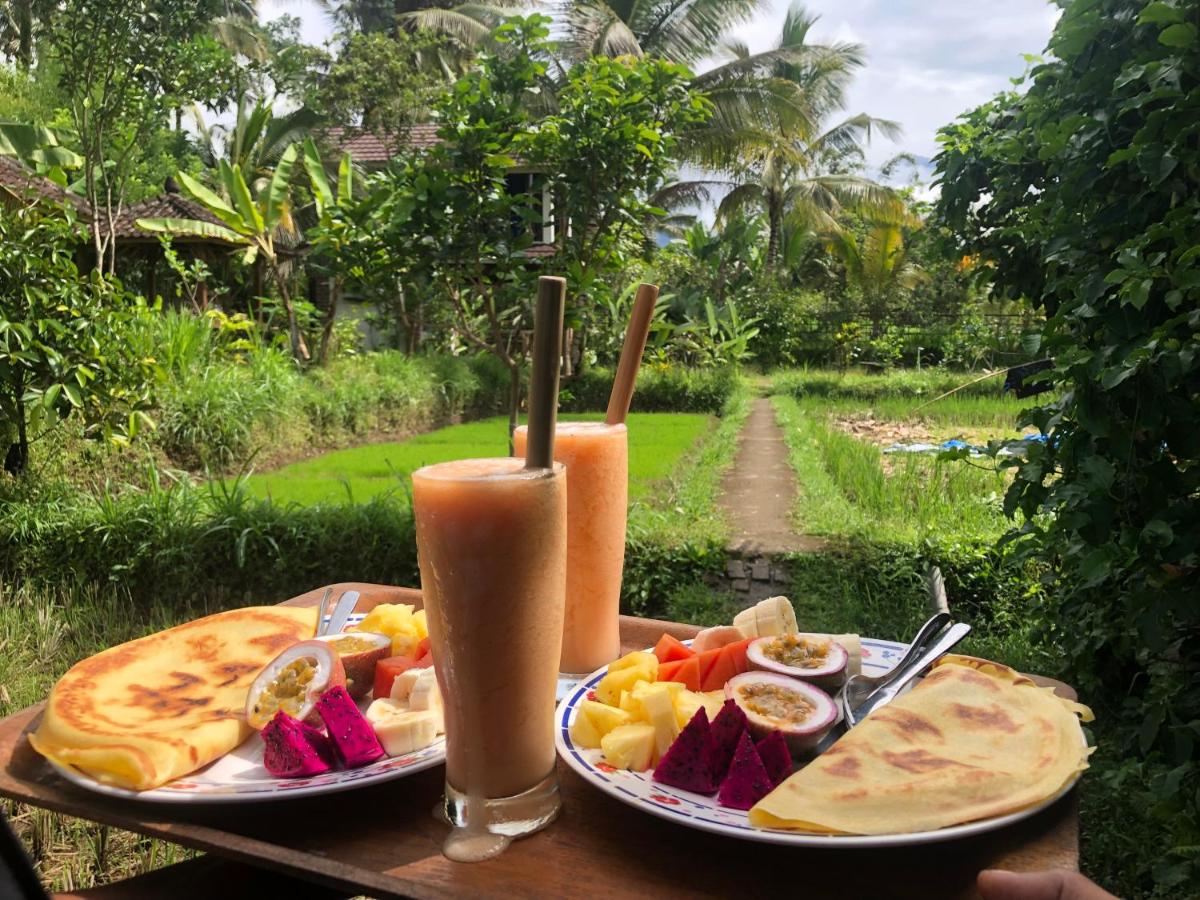
Tetebatu is a tranquil village on the southern slopes of Mount Rinjani in Lombok, Indonesia. Known for its lush rice terraces, waterfalls, and traditional Sasak culture, it offers a peaceful alternative to the bustling coastal resorts and a gateway to nature and mountain trekking.

Looking for what to do in Tetebatu? Discover unique activities, iconic landmarks, and cultural highlights that make Tetebatu a favorite destination. Whether you prefer outdoor adventures or sightseeing tours, there's no shortage of unforgettable experiences here.
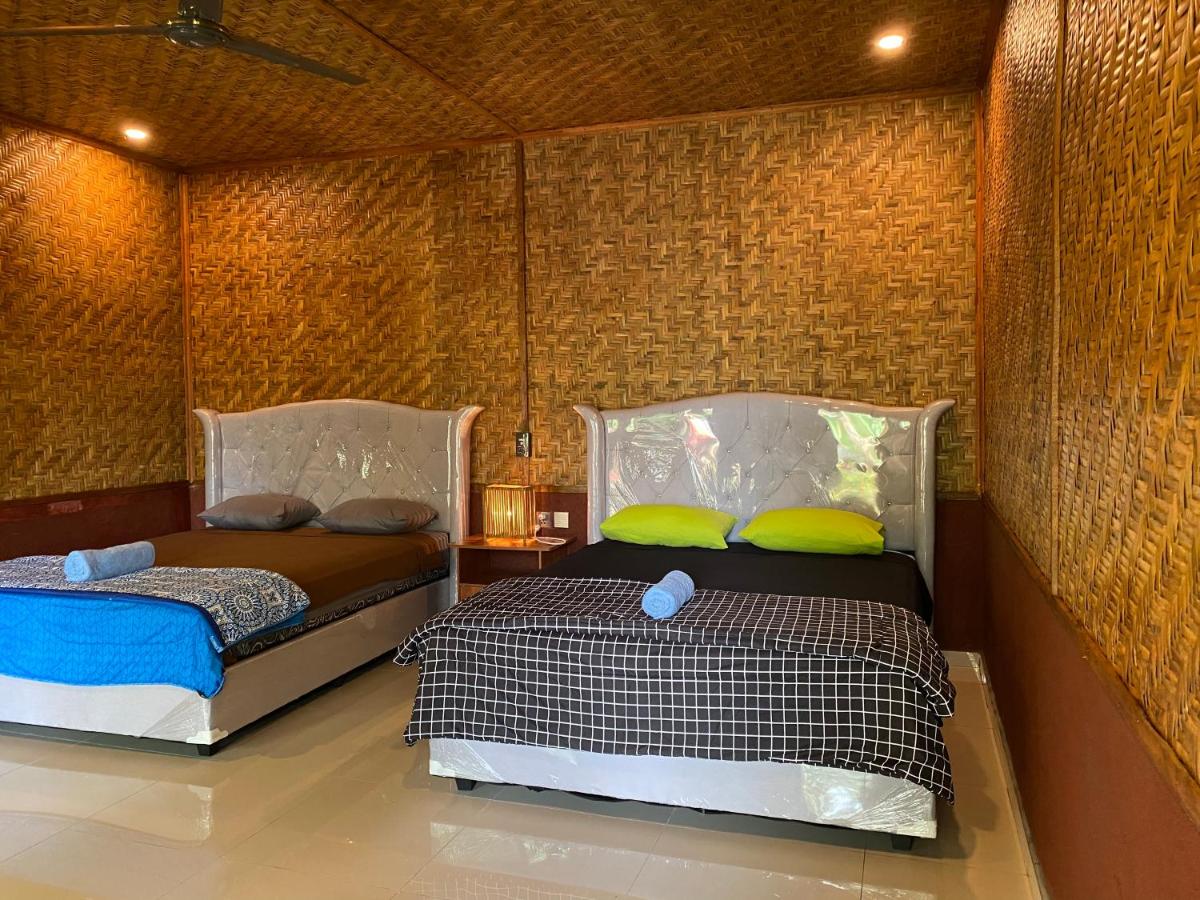
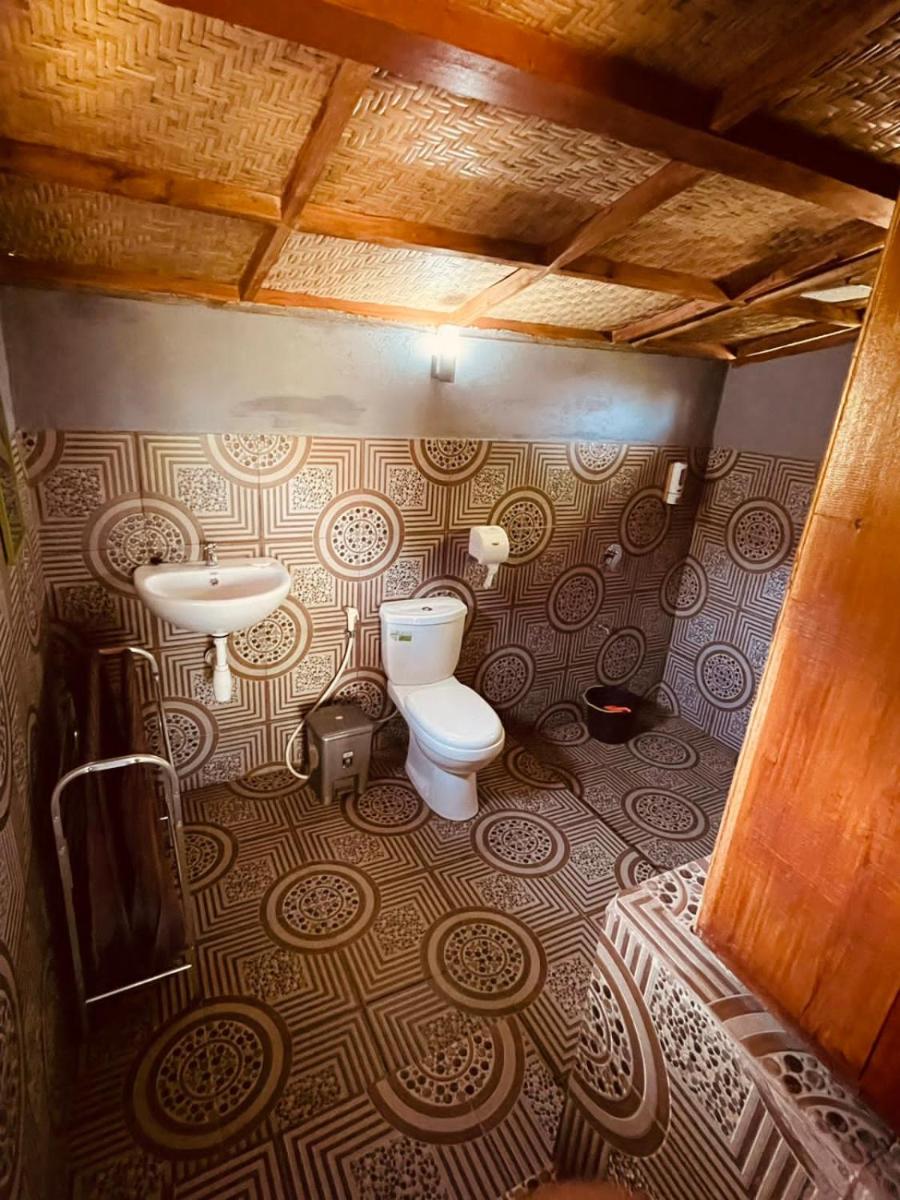
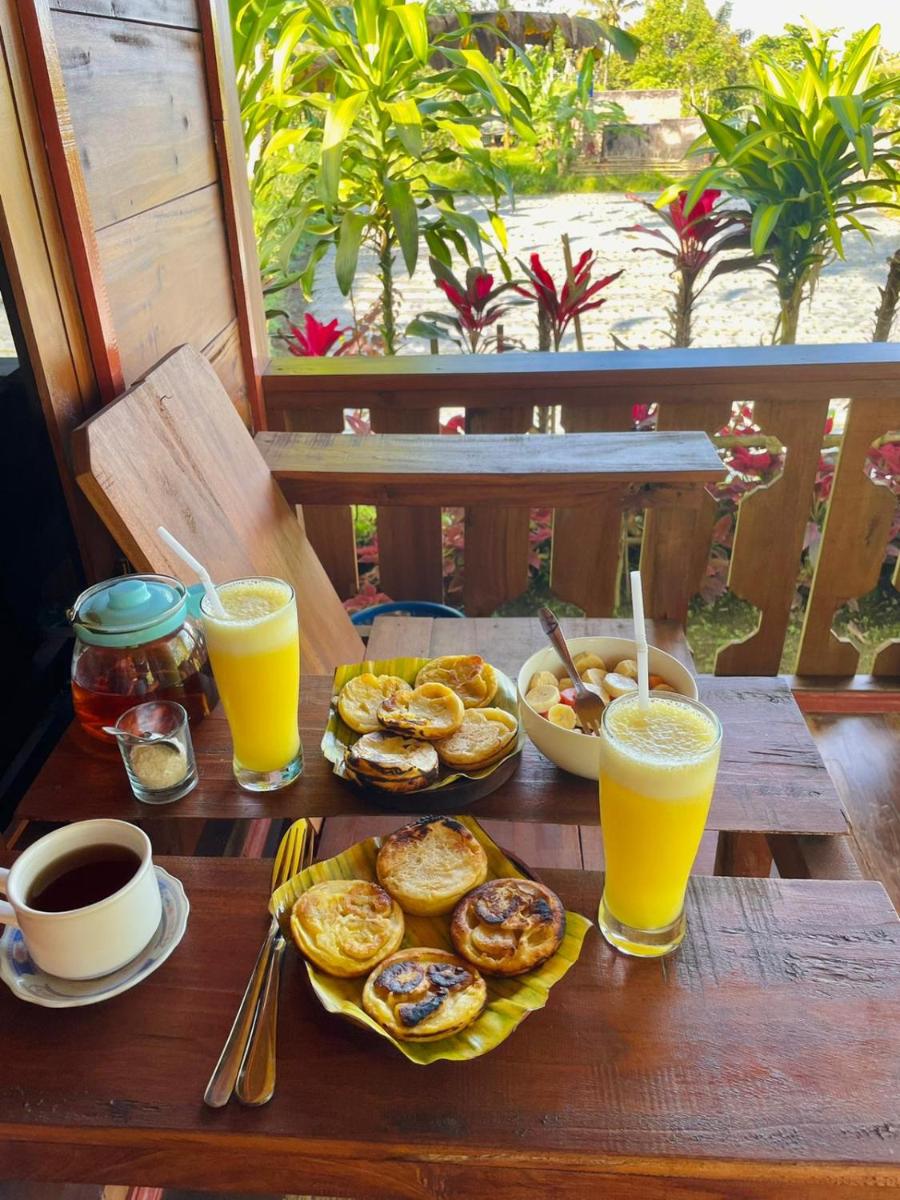
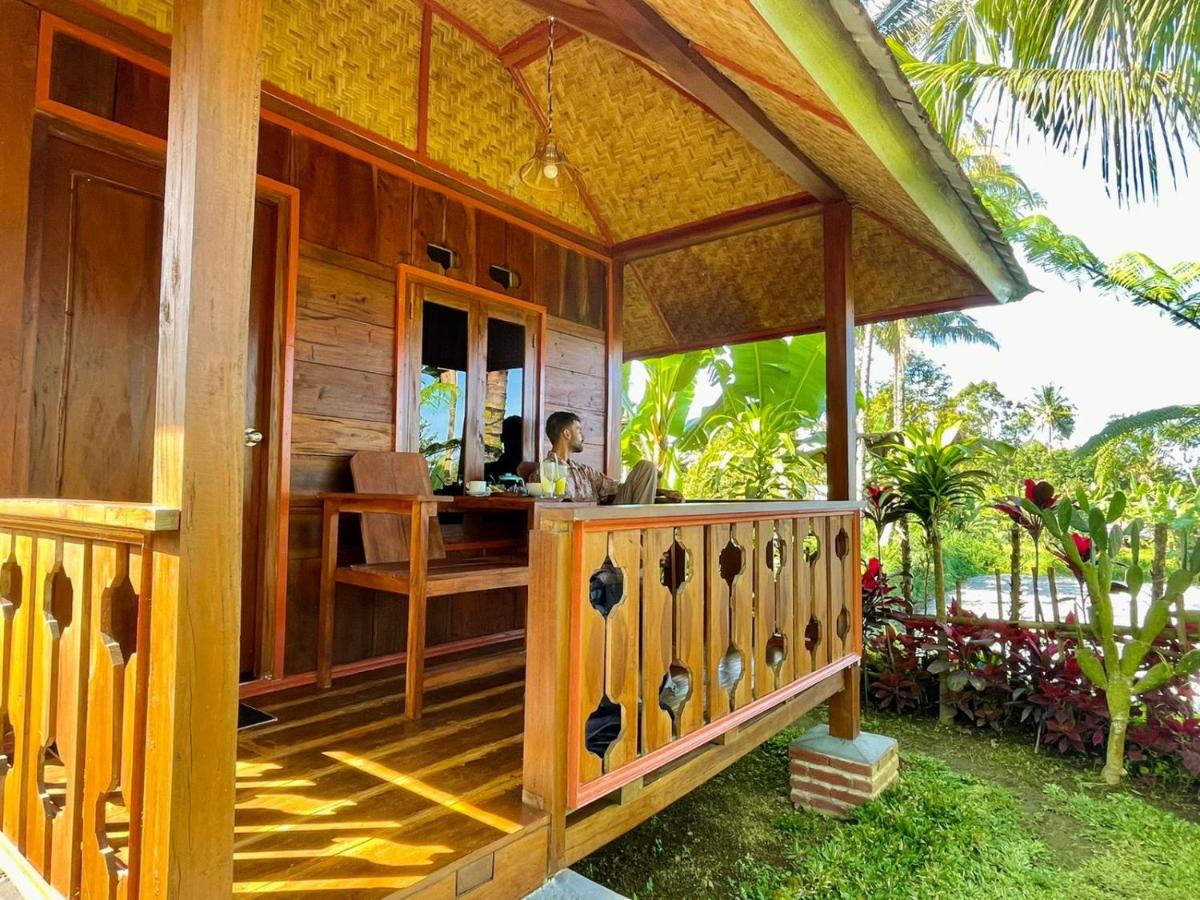
Find the ideal place to stay in Tetebatu with our curated selection. From luxurious hotels to charming boutique stays or budget-friendly options, you’ll discover exactly what suits your needs. Explore different accommodations and choose the perfect fit for your travel experience.





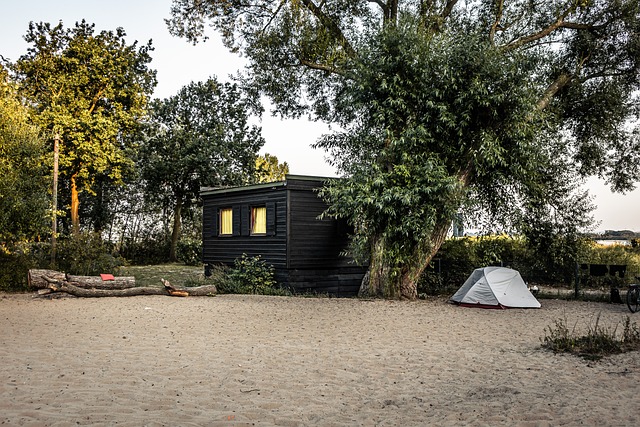
9.8
Excelent

 Tetebatu, Indonesia
9.7
Excelent
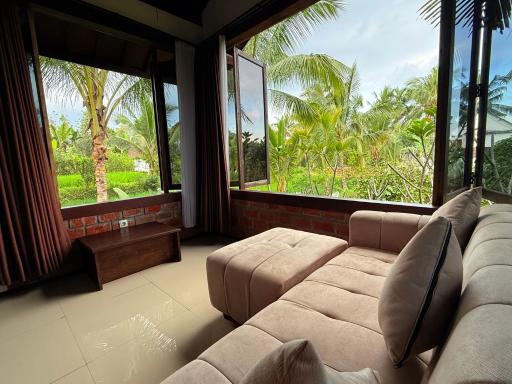
Tetebatu, Indonesia
9.6
Excelent
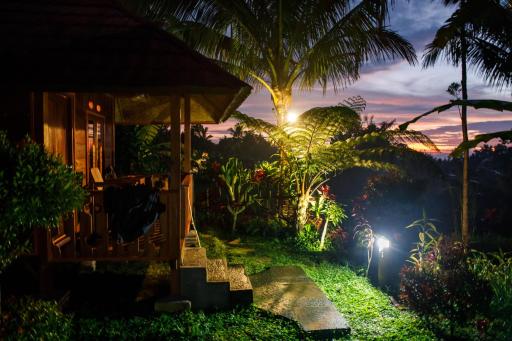
Tetebatu, Indonesia
9.5
Excelent
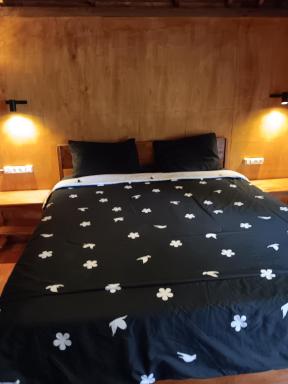
Tetebatu, Indonesia
9.4
Excelent
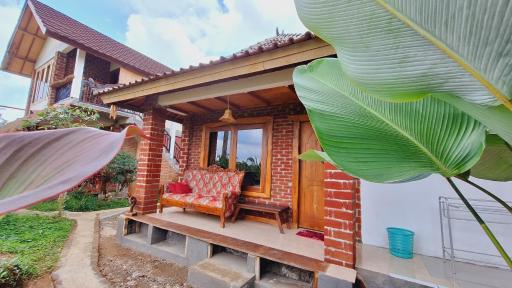
Tetebatu, Indonesia
9.4
Excelent
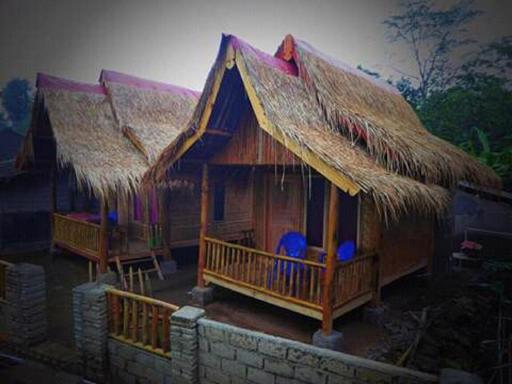
Tetebatu, Indonesia
9.3
Excelent
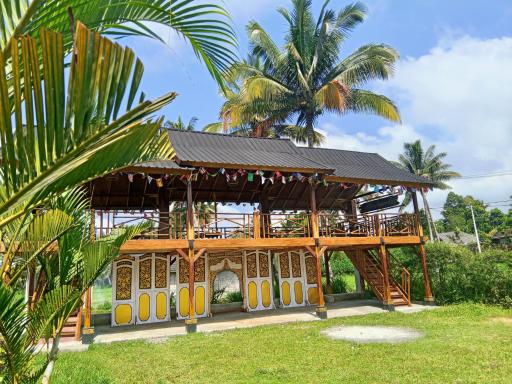
Tetebatu, Indonesia
9.1
Excelent
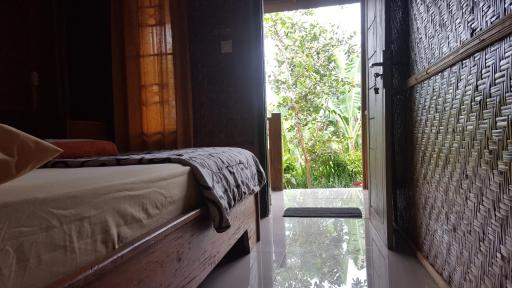
Tetebatu, Indonesia
 If you’ve explored Tetebatu, leave a tip to help other travelers enjoy their trip!
While Tetebatu is a must-see, don't miss the nearby cities and attractions that will enrich your journey. Explore the best destinations around the area to make the most of your trip.
Tetebatu, Indonesia  See on map
The climate in Tetebatu is tropical with high temperatures throughout the year. Average temperatures range from 26°C to 30°C (79°F to 86°F). Rainfall is moderate, averaging around 1,500 mm per year.
Tetebatu is primarily inhabited by speakers of Indonesian, but there is also a significant minority of people who speak other languages such as Javanese, Sundanese, and Batak.
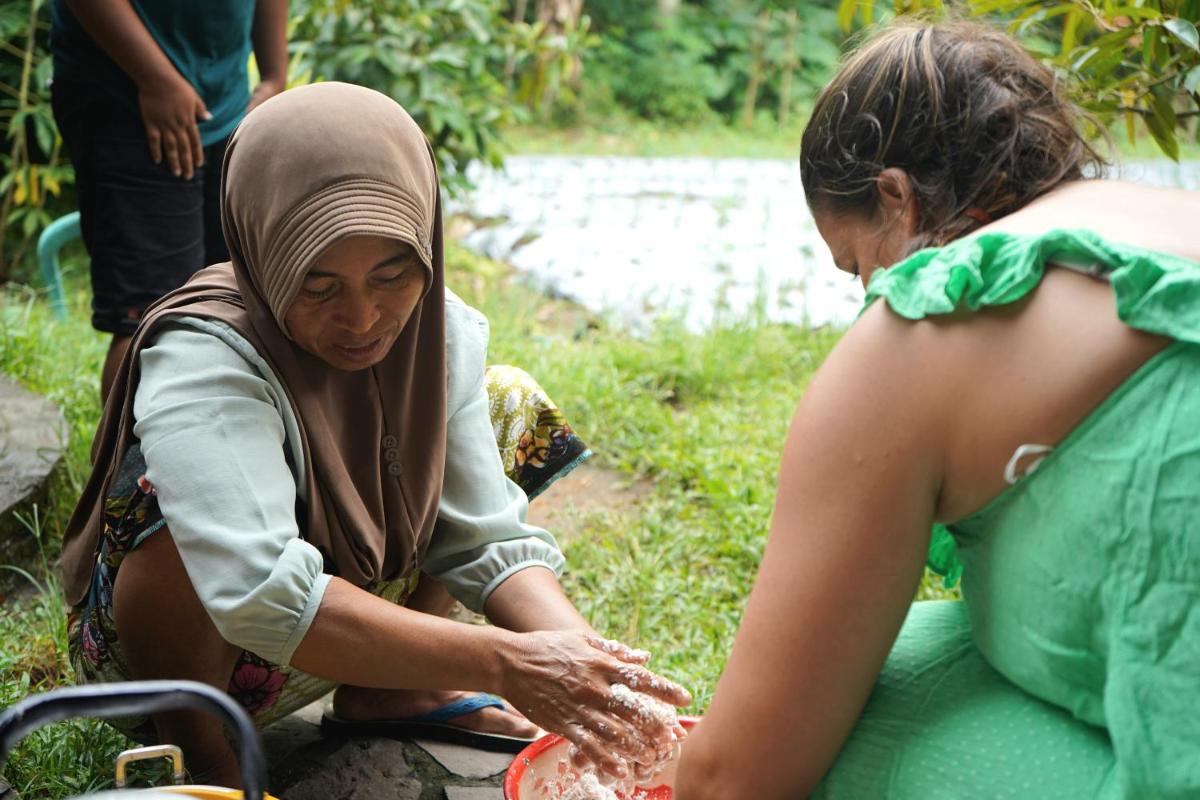
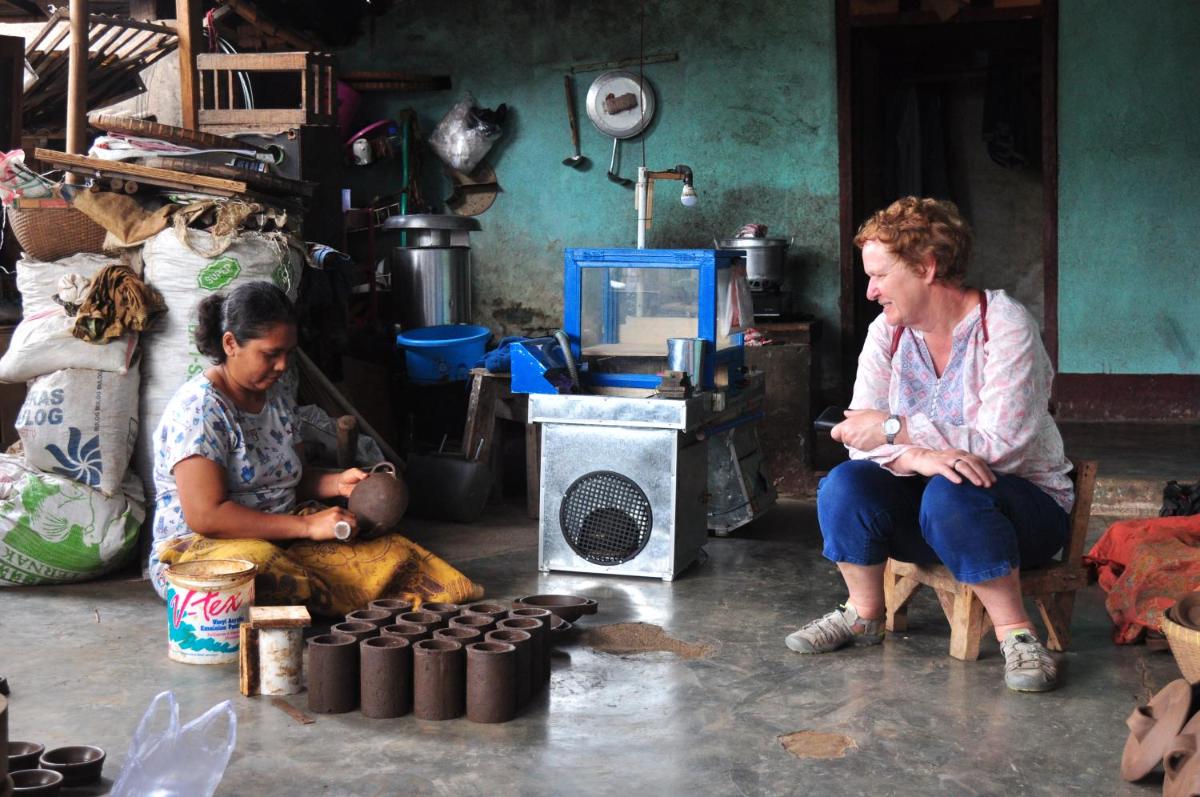
The main economic activities in Tetebatu are agriculture, fishing, and tourism. The region is known for its rice production and has a long history of fishing along the coast. Tourism is growing, attracting visitors interested in natural beauty and cultural experiences.
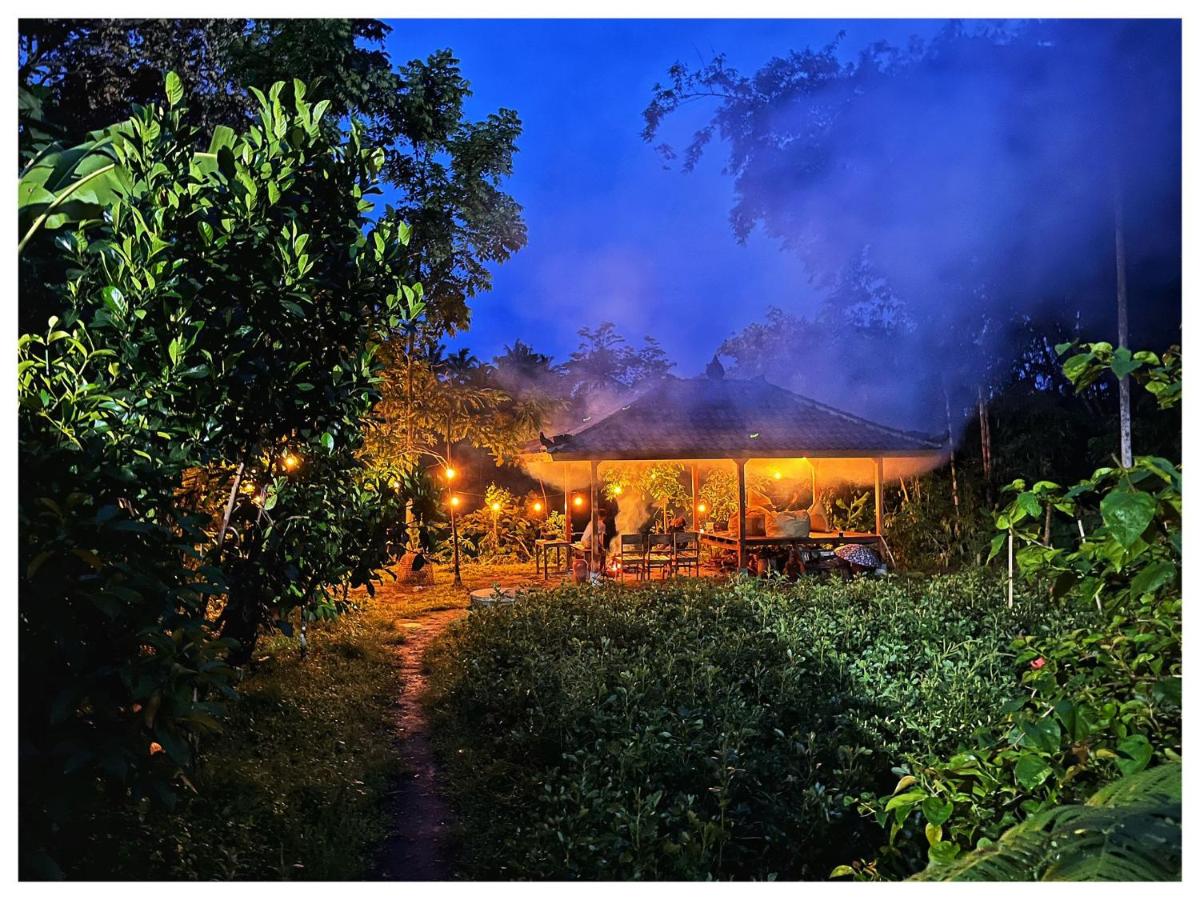
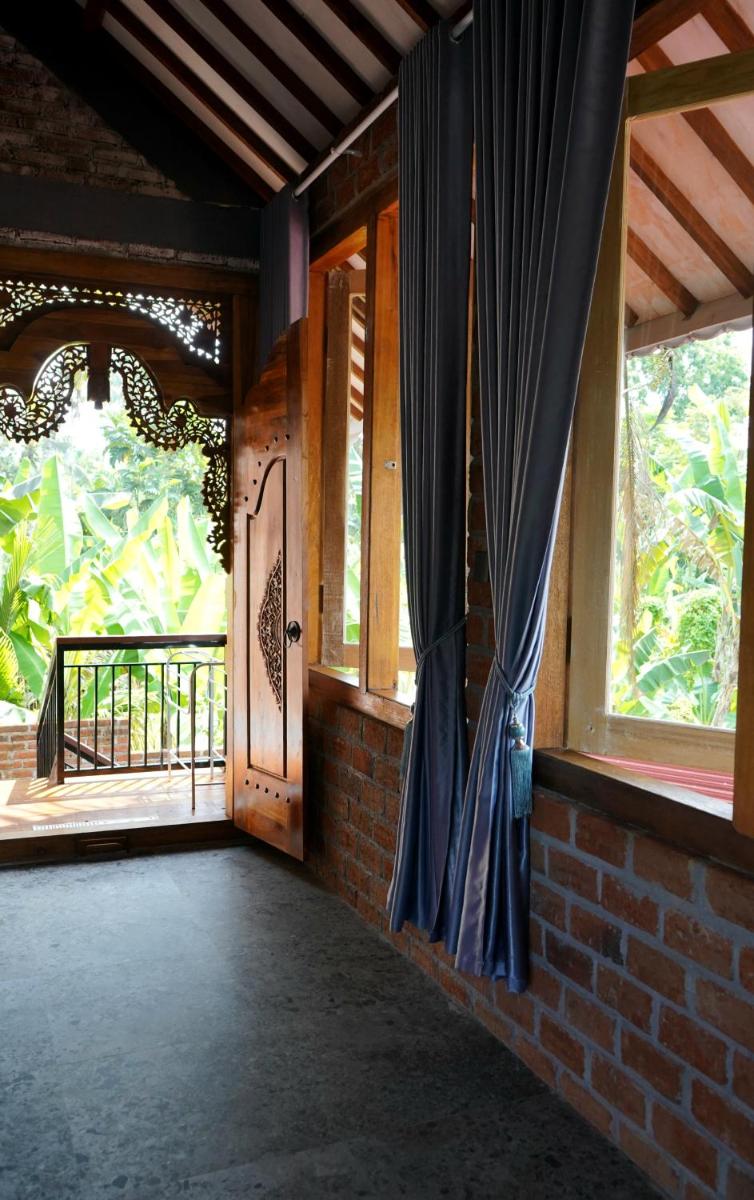
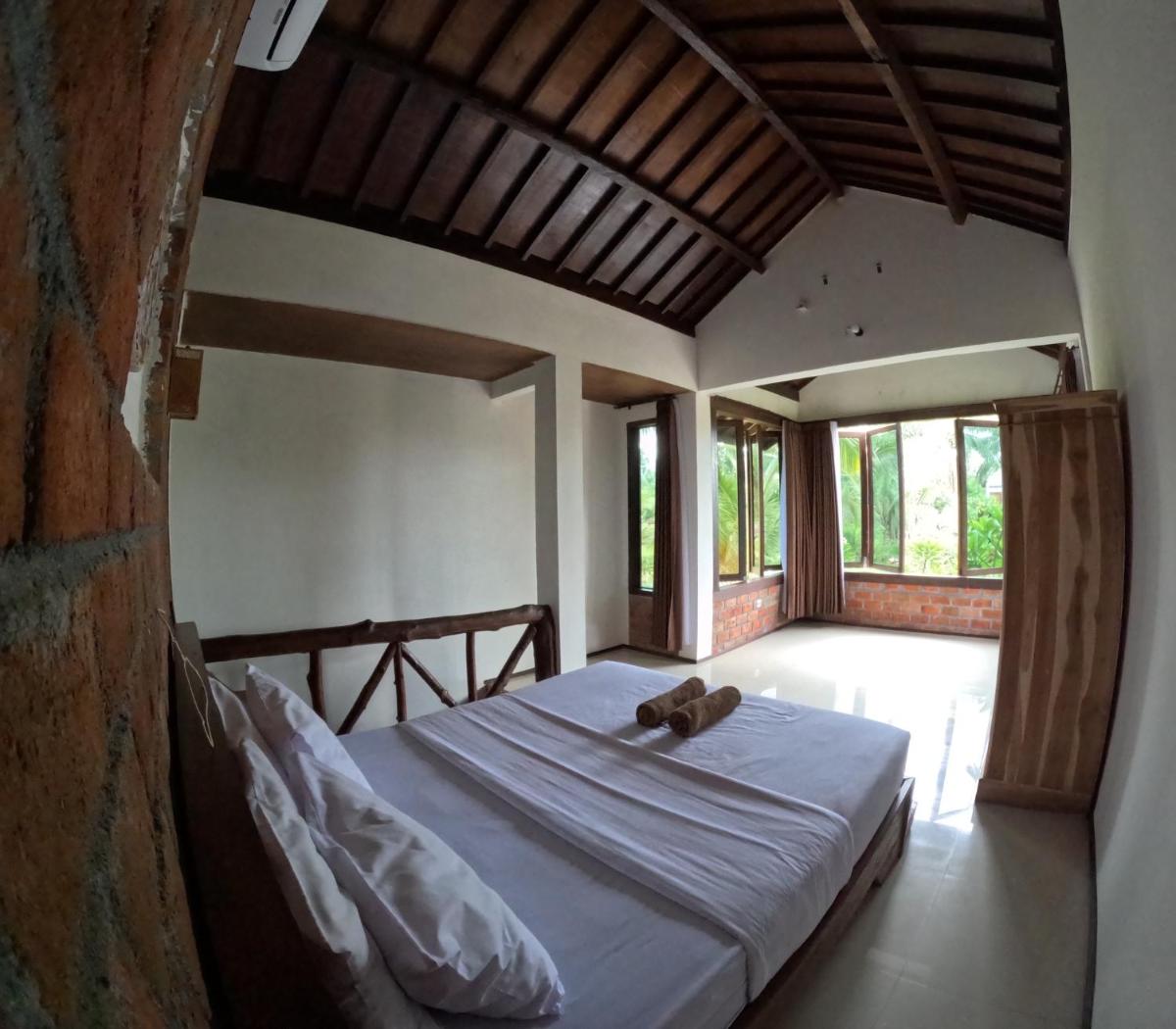
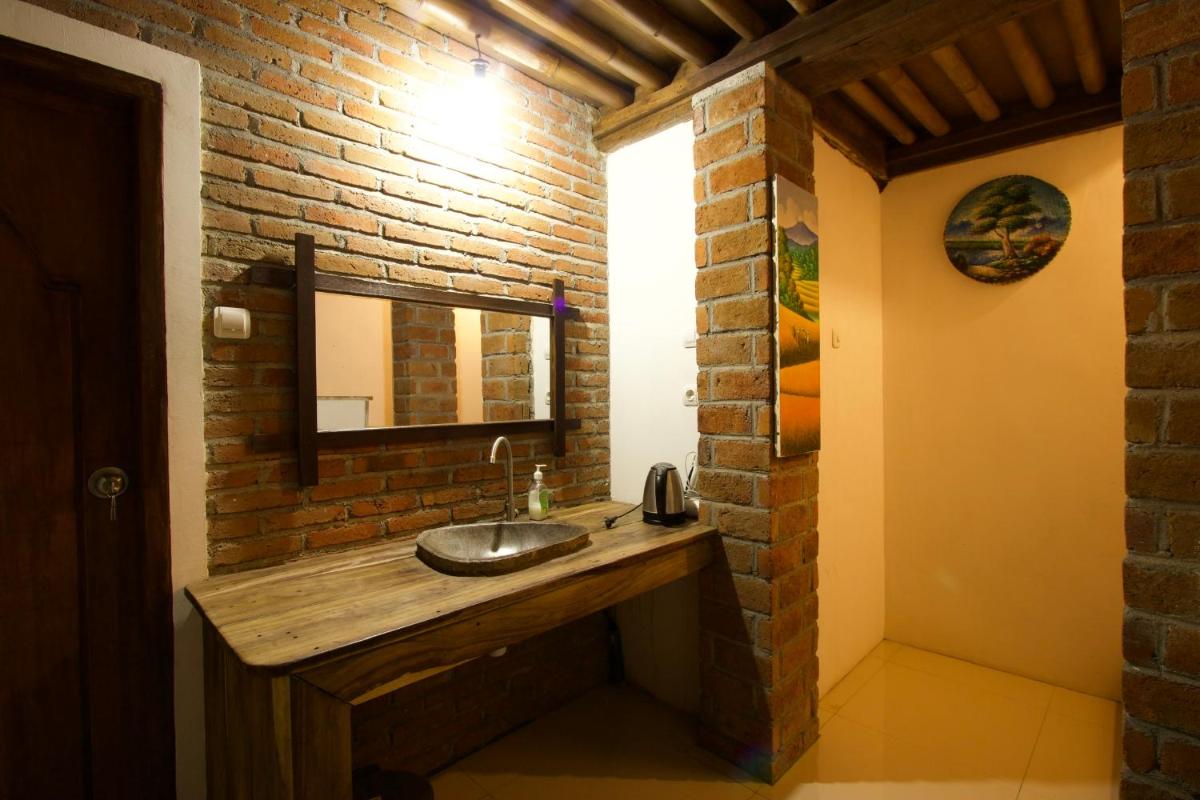
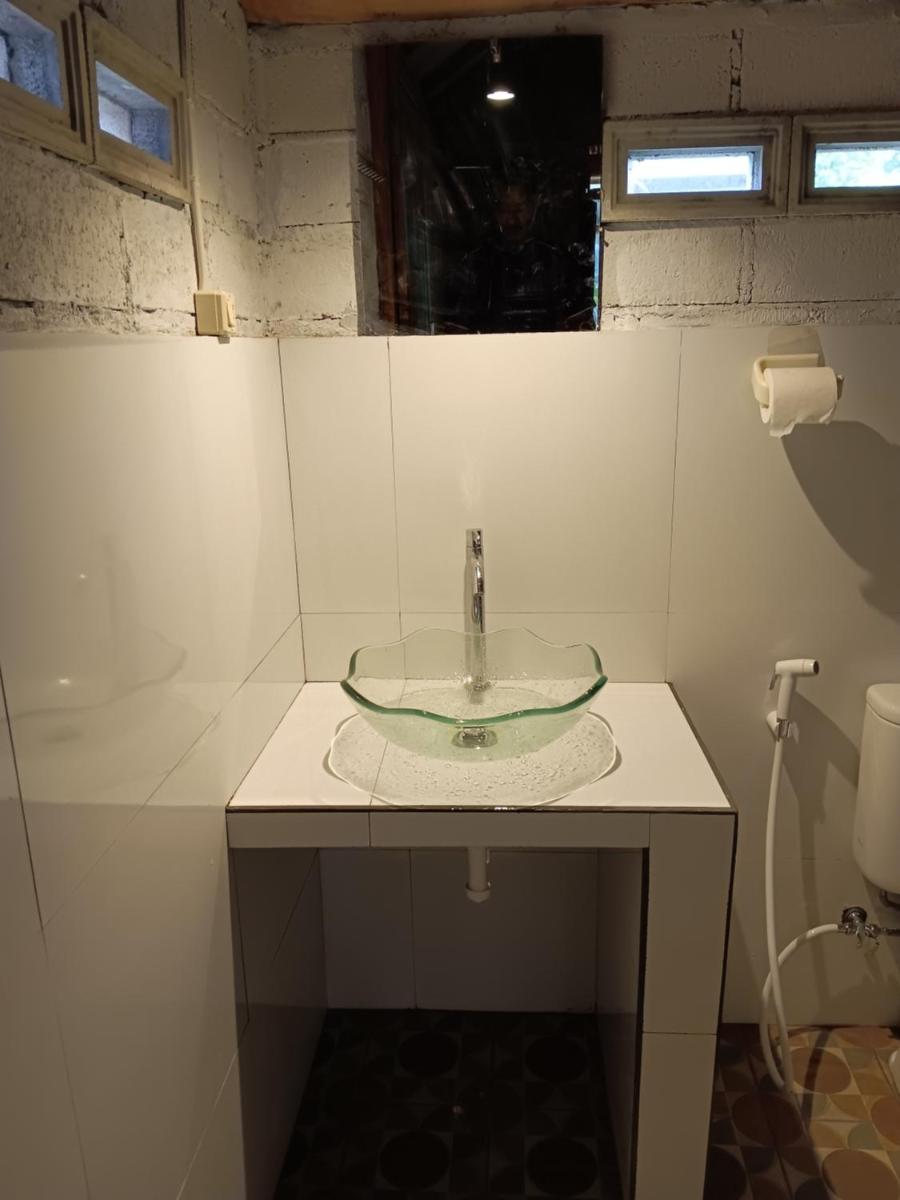
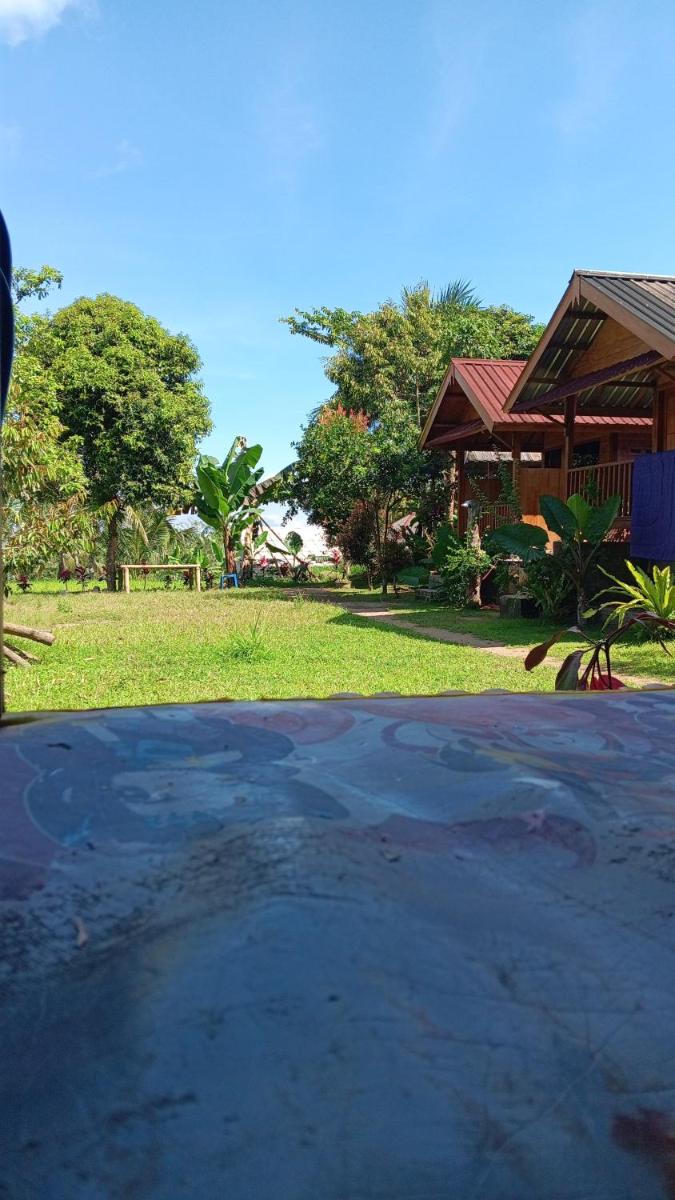
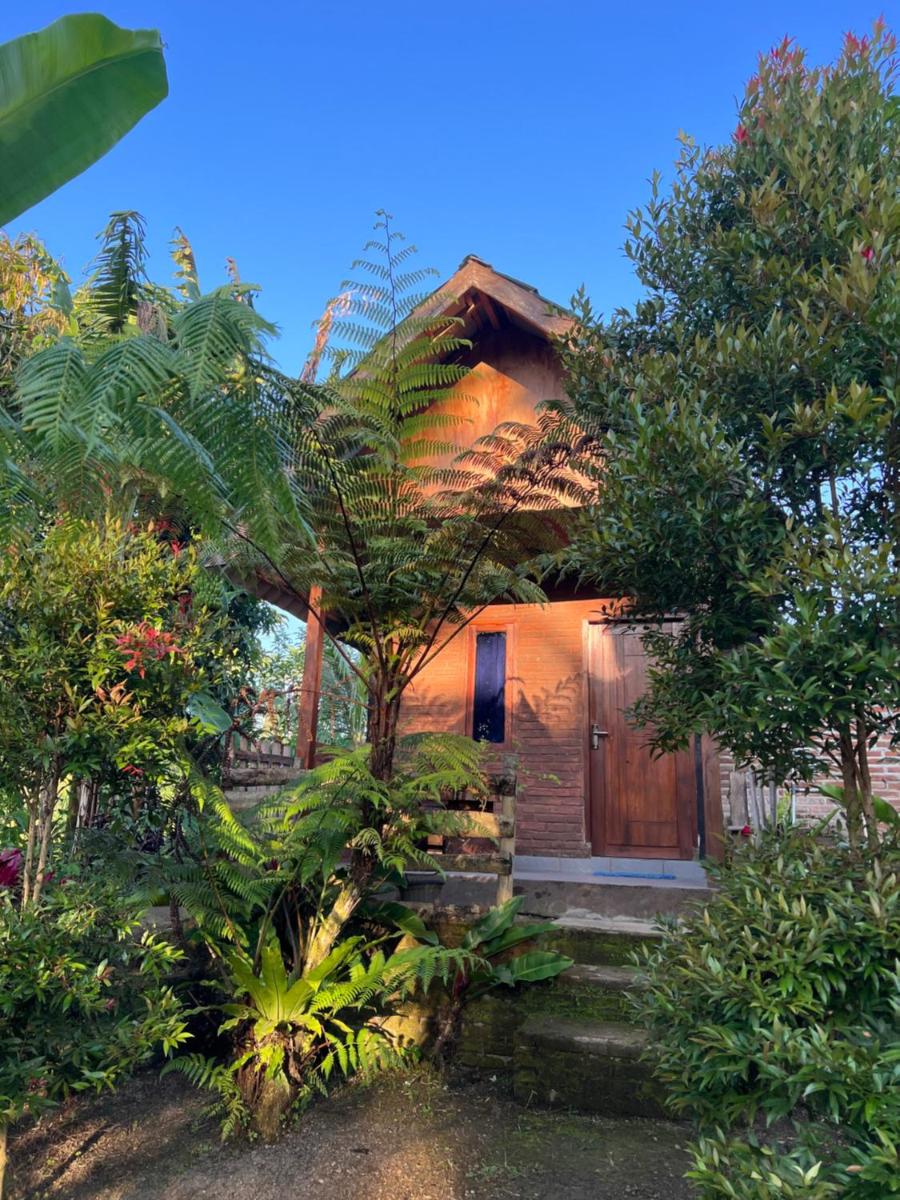
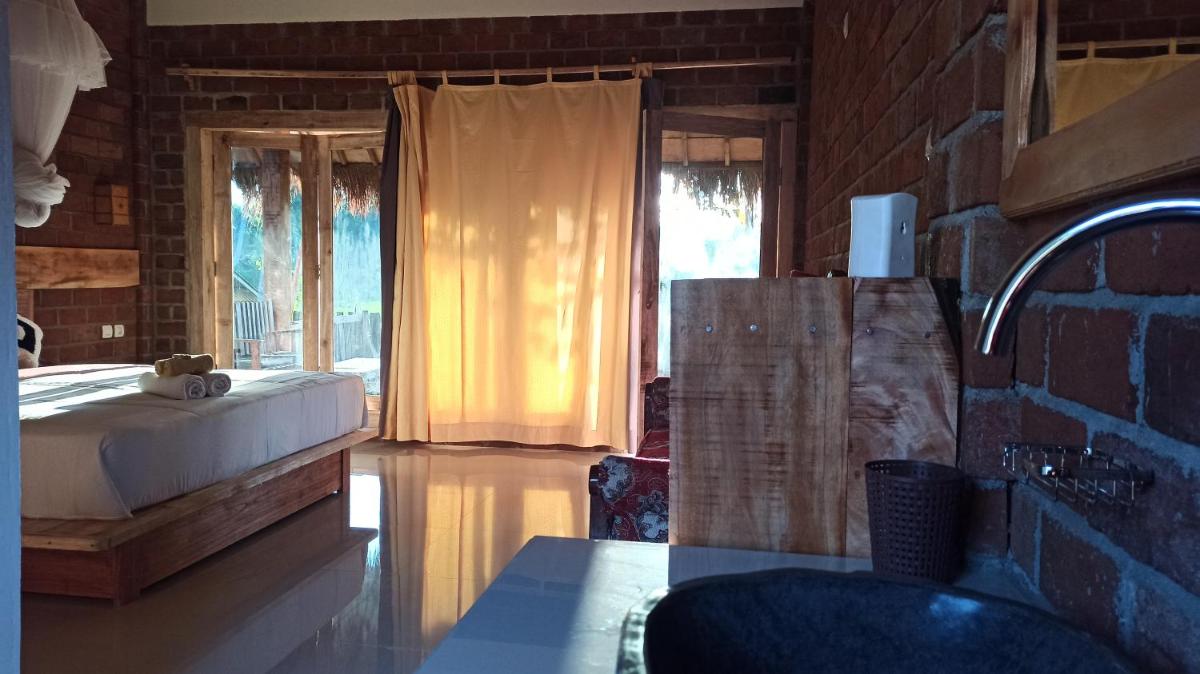
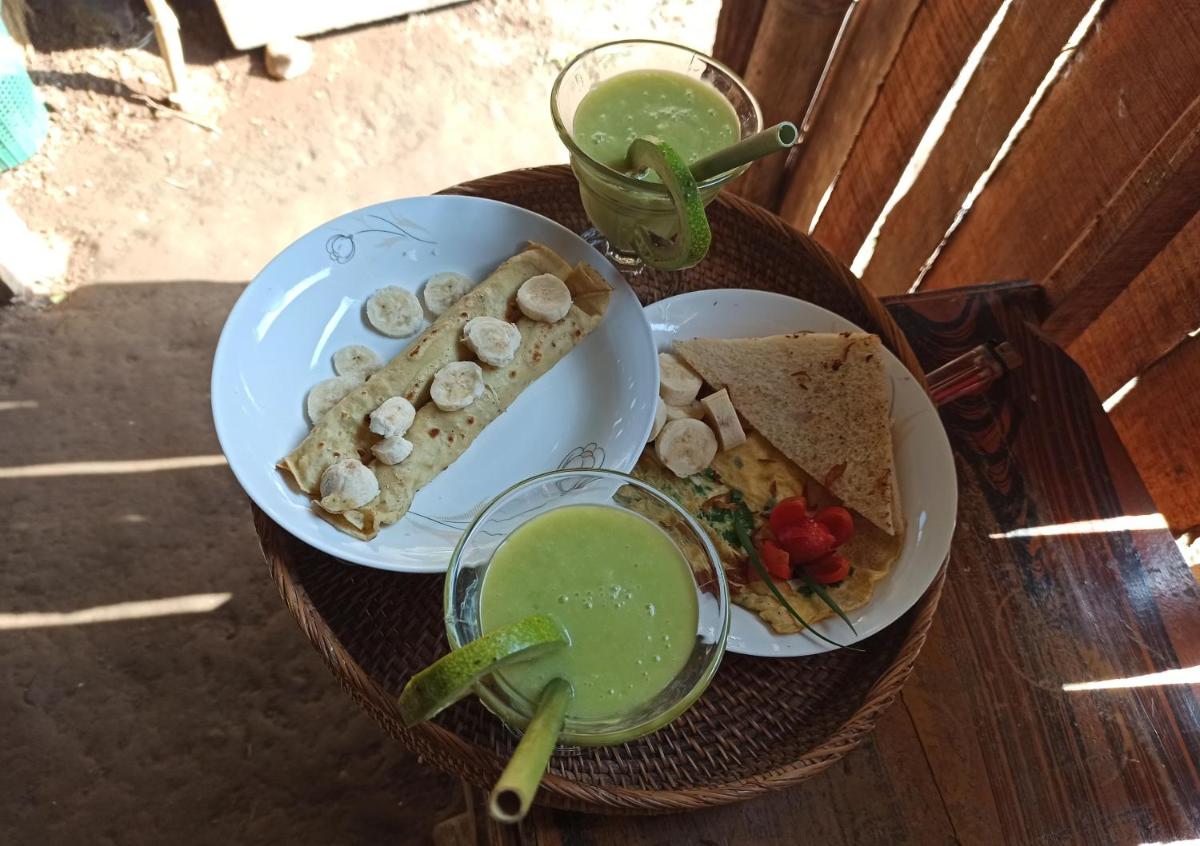
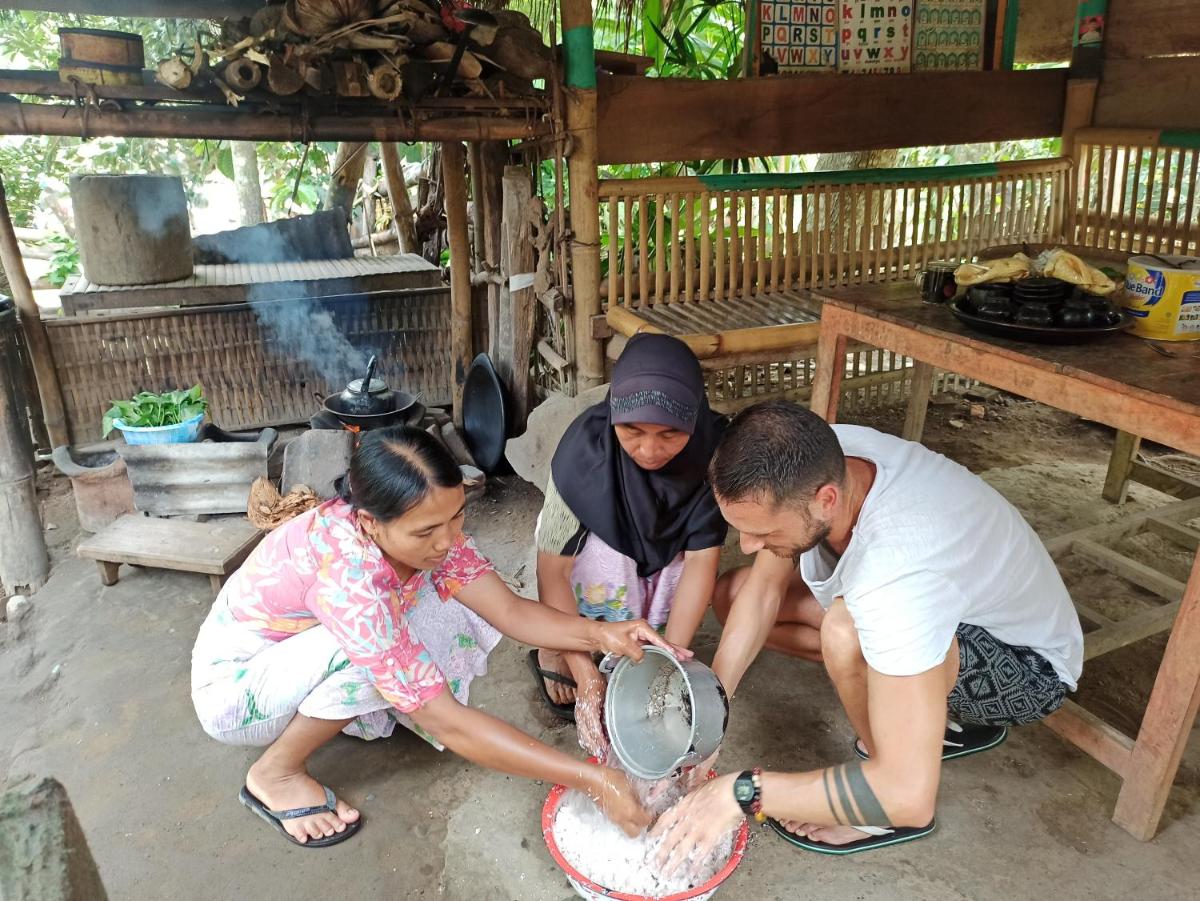
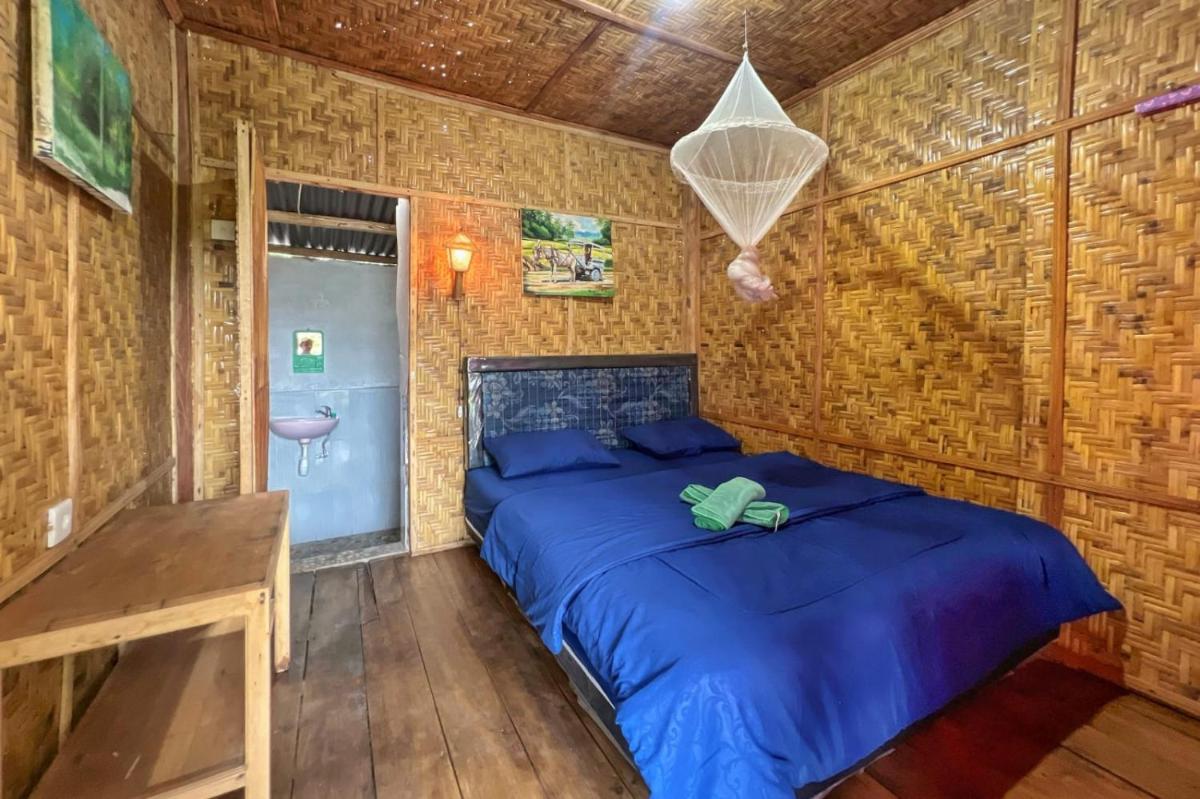
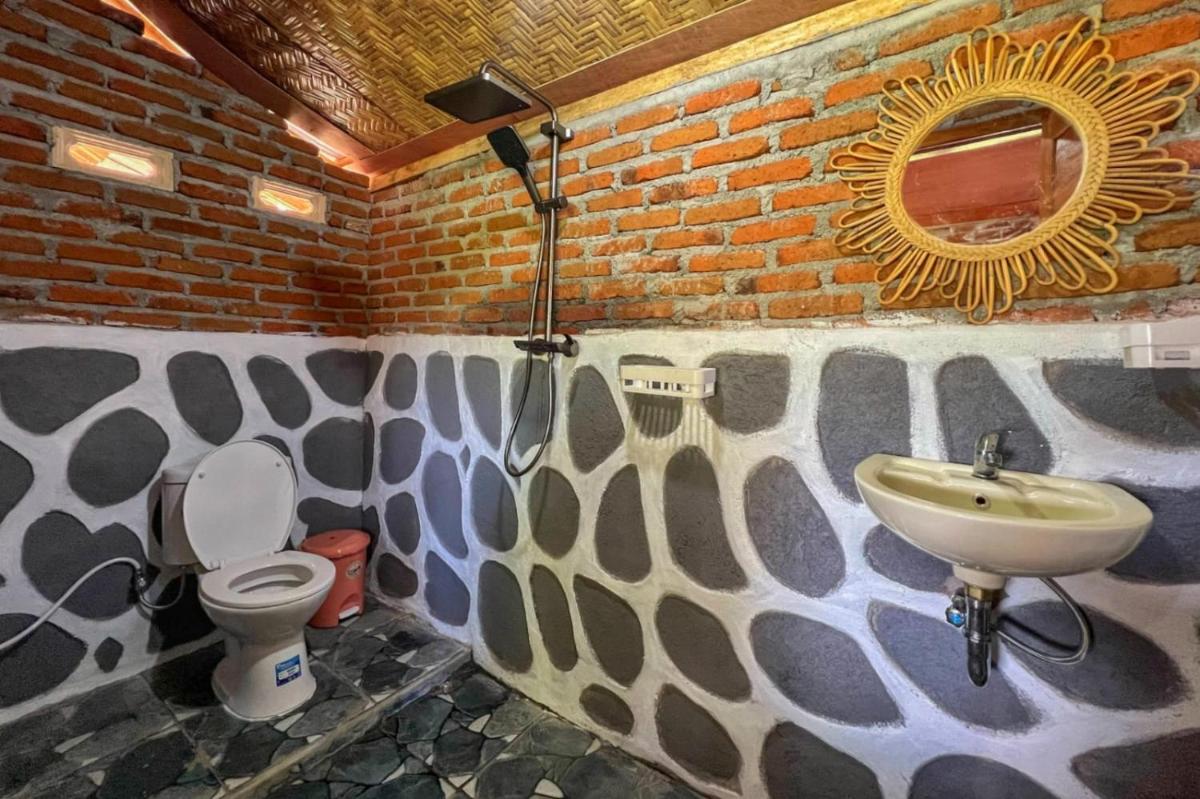
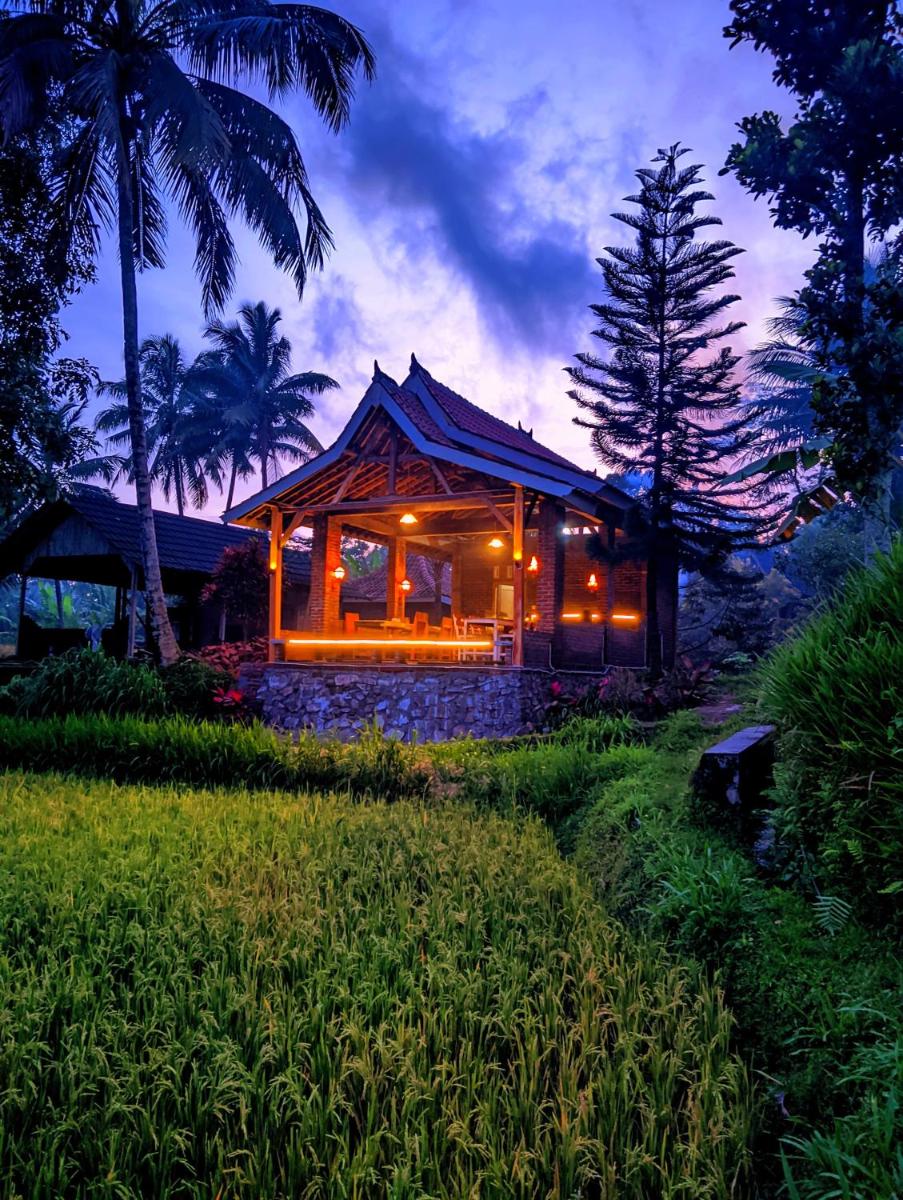
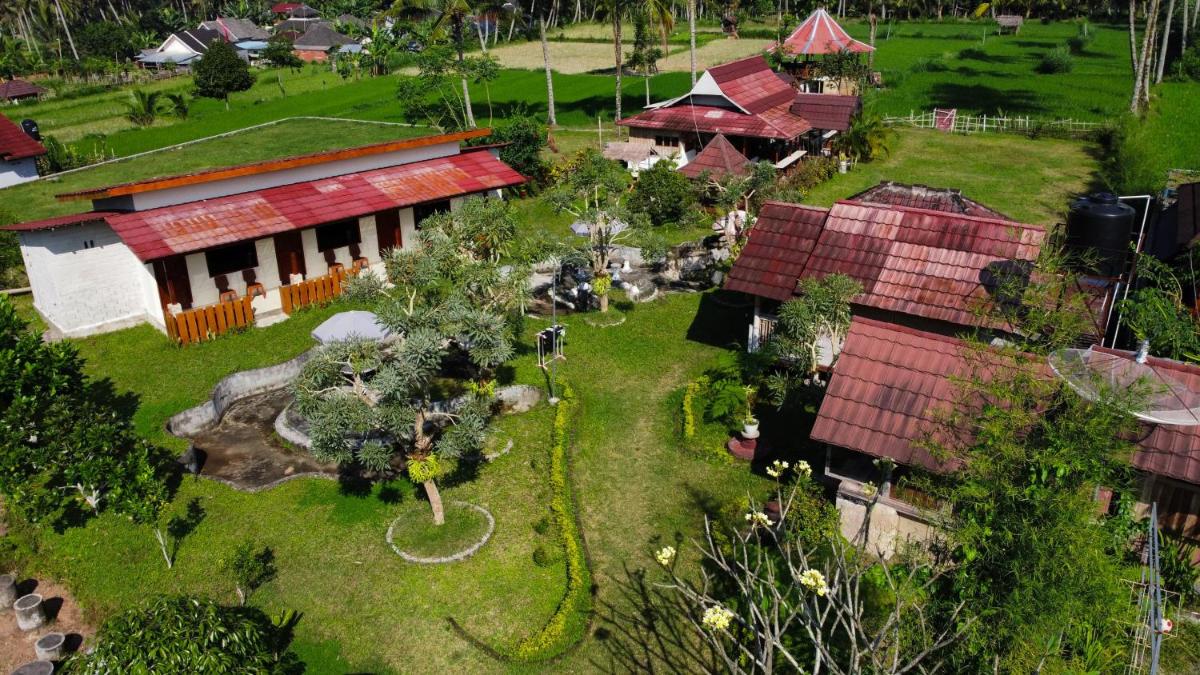
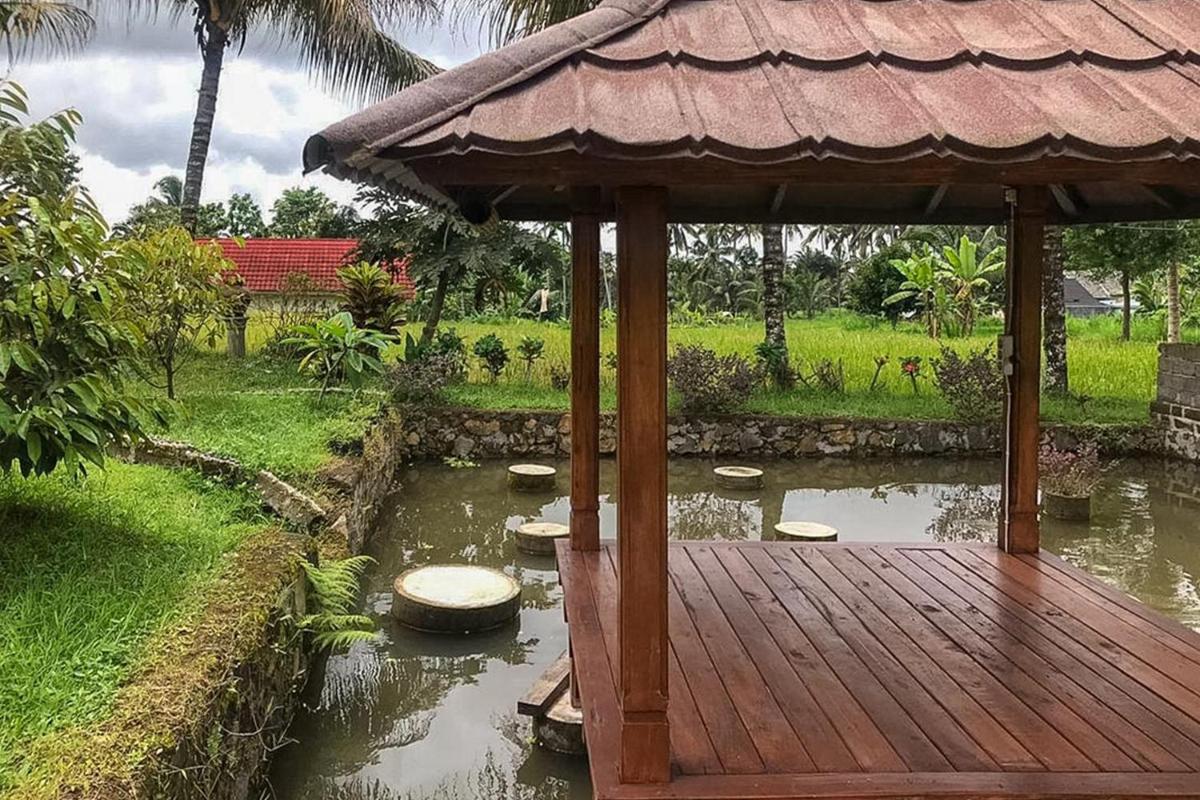
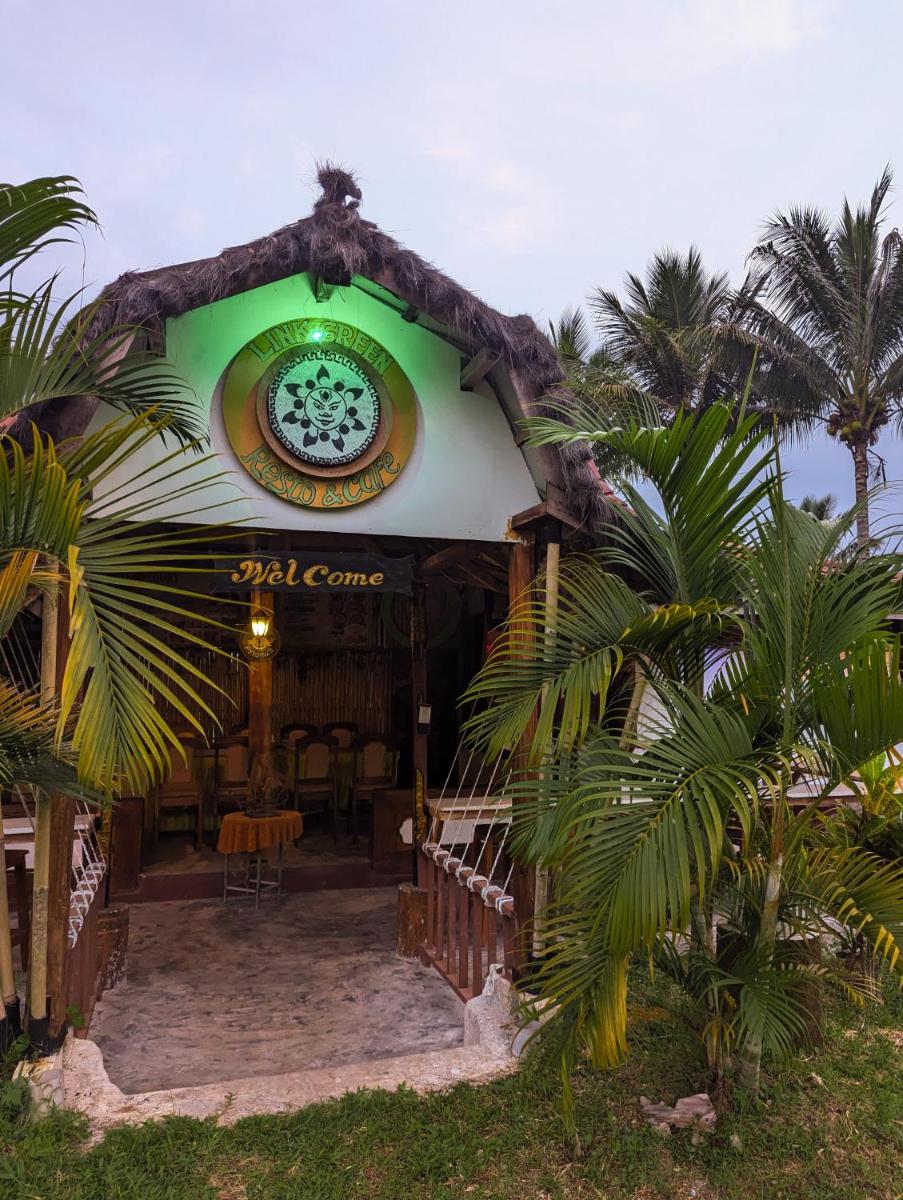
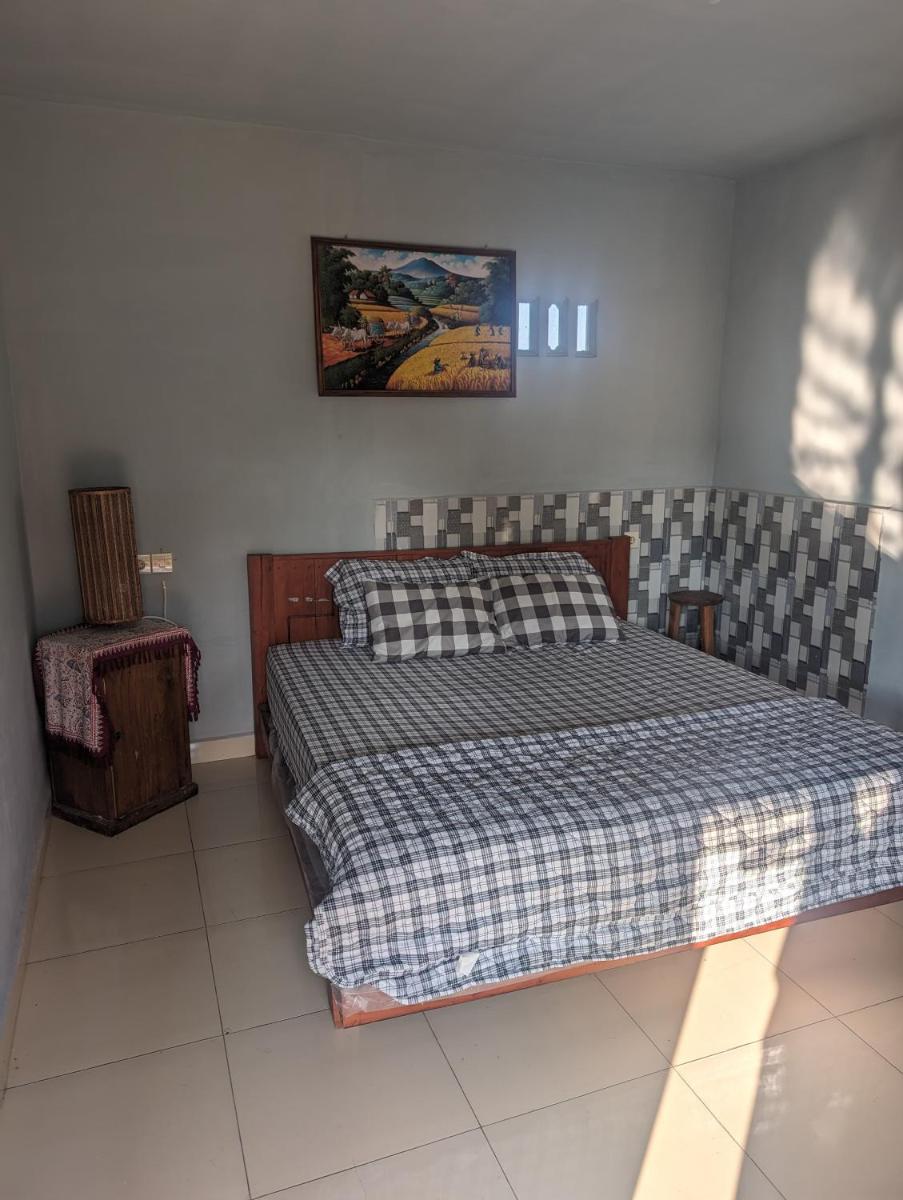
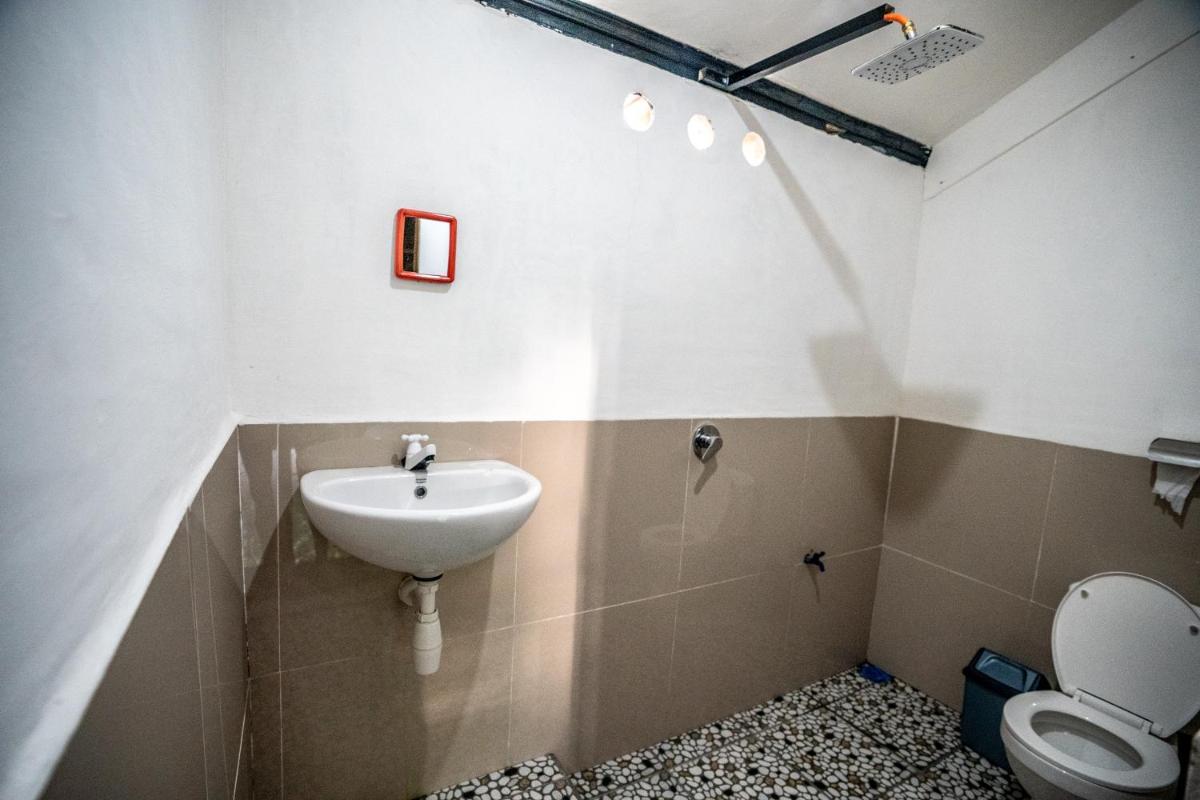
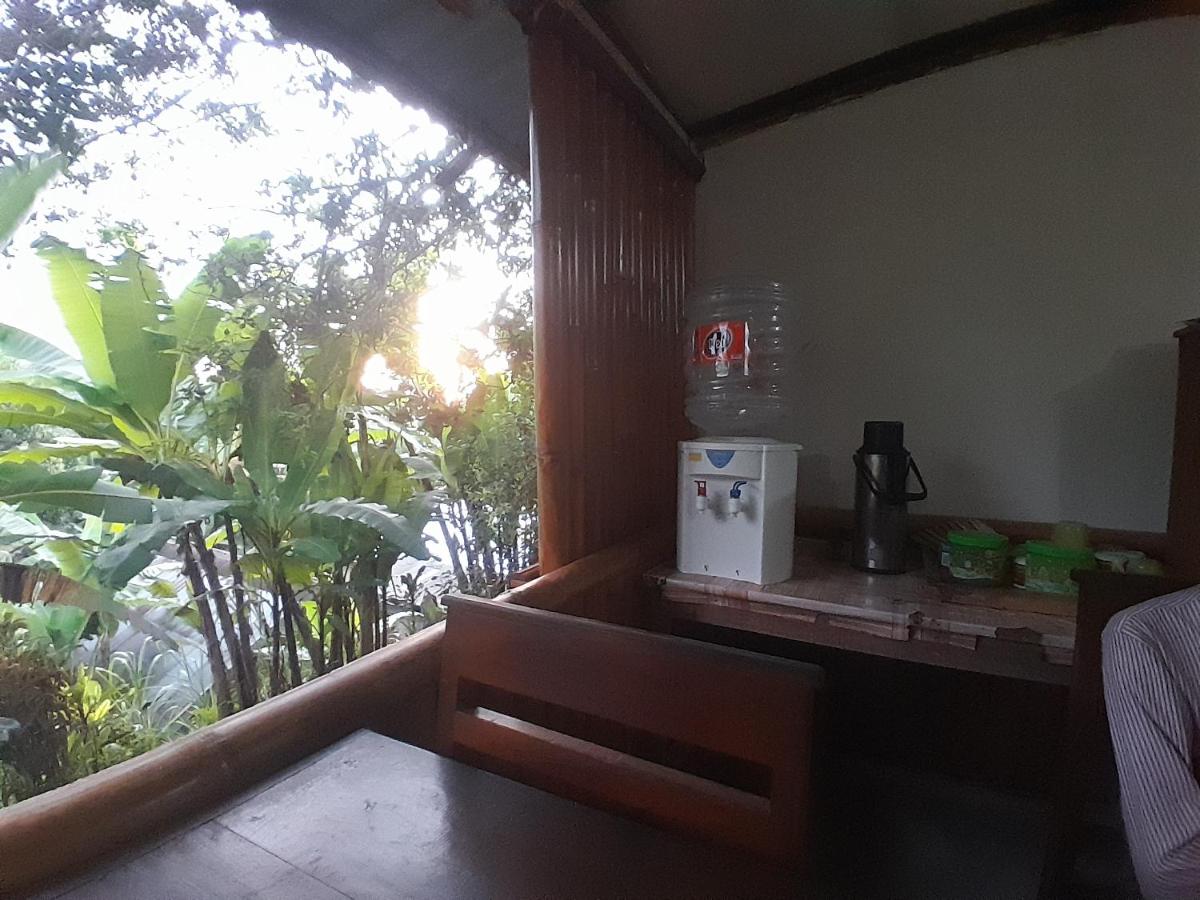
Accommodations in Tetebatu vary from simple homestays to luxury resorts. Visitors can choose between traditional homestays where they stay with local families or modern hotels and guesthouses offering amenities like swimming pools and restaurants.
Tetebatu is generally considered safe for tourists, although caution is advised due to potential safety concerns related to wildlife encounters, particularly during visits to national parks and forests. It's important to follow guidelines and respect local customs.

Subscribe to our newsletter and get the best offers!
By entering your email address, you consent to receive automatically generated personalized commercial proposals, including proposals and offers of products and services from us and selected third parties (your data will not be shared with them). For more information or to revoke your consent, please refer to our Privacy Policy (you can also unsubscribe by clicking on the link in the email).
 Español
  Français
  Deutsch
  Italiano
  Nederlands
  Português
  Русский
  中文
中文  日本語
日本語  العربية
  Türkçe






 Thanks for your advice! We’ll keep it in mind.