
The site will open on the domain of the language you choose.
Carnac is a commune in the Morbihan department of Brittany, northwestern France, famous for the Carnac Stones, one of the most extensive Neolithic megalithic alignments in the world.

Looking for what to do in Carnac? Discover unique activities, iconic landmarks, and cultural highlights that make Carnac a favorite destination. Whether you prefer outdoor adventures or sightseeing tours, there's no shortage of unforgettable experiences here.
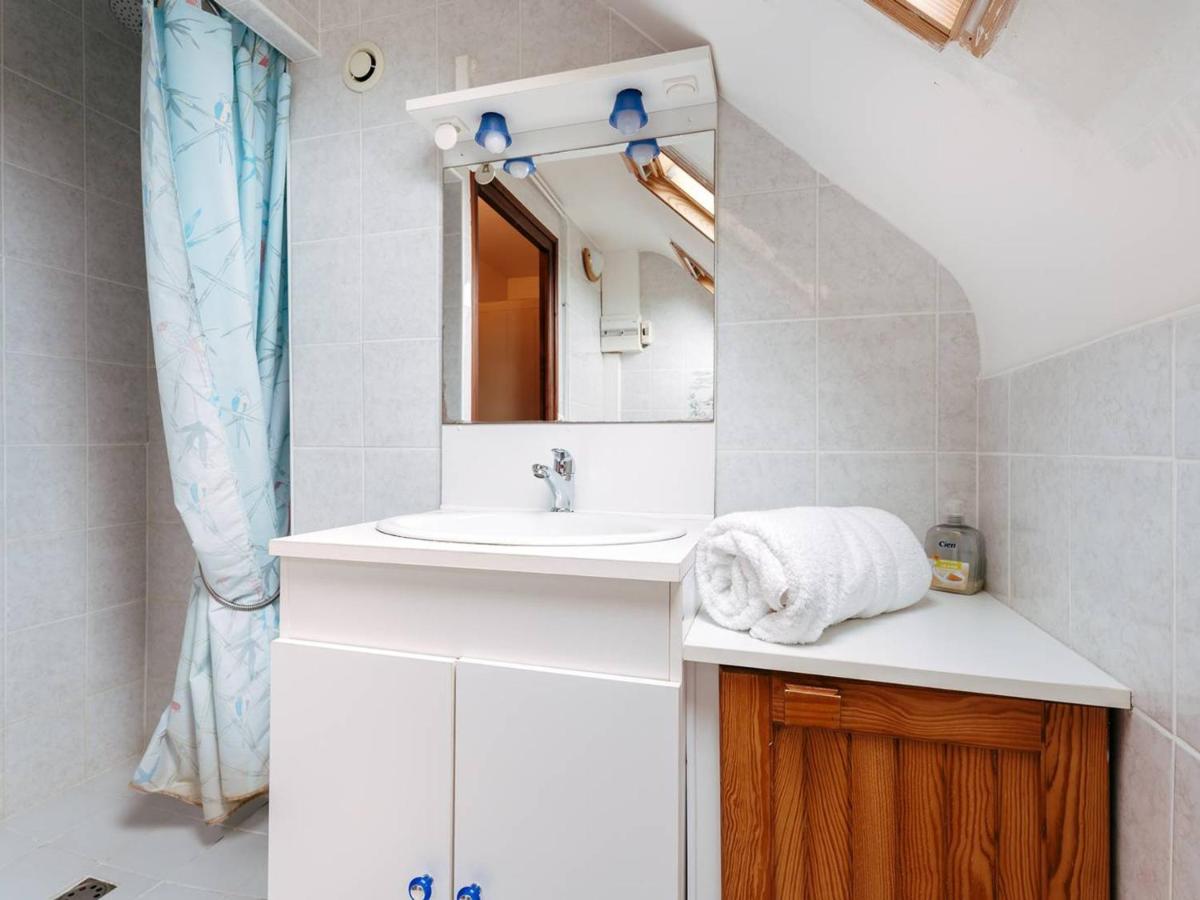
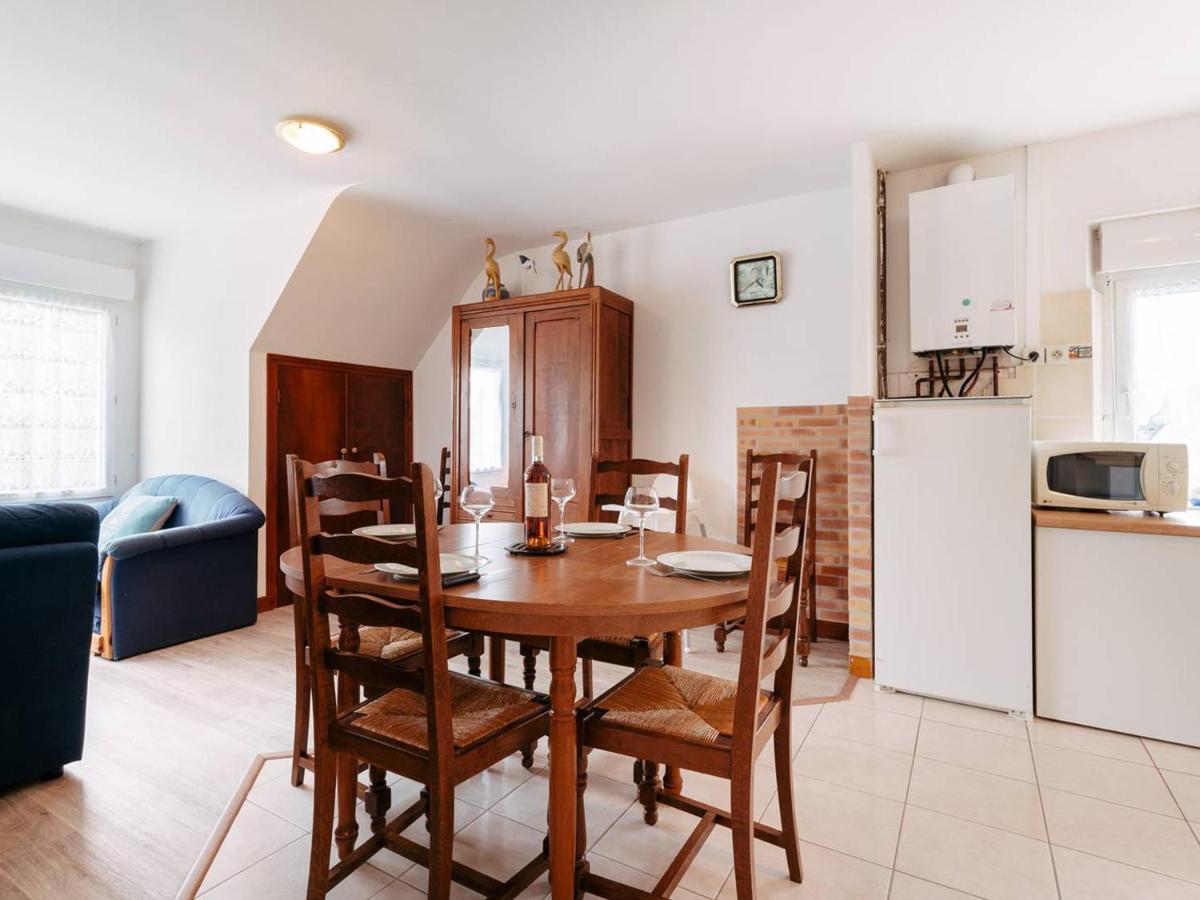
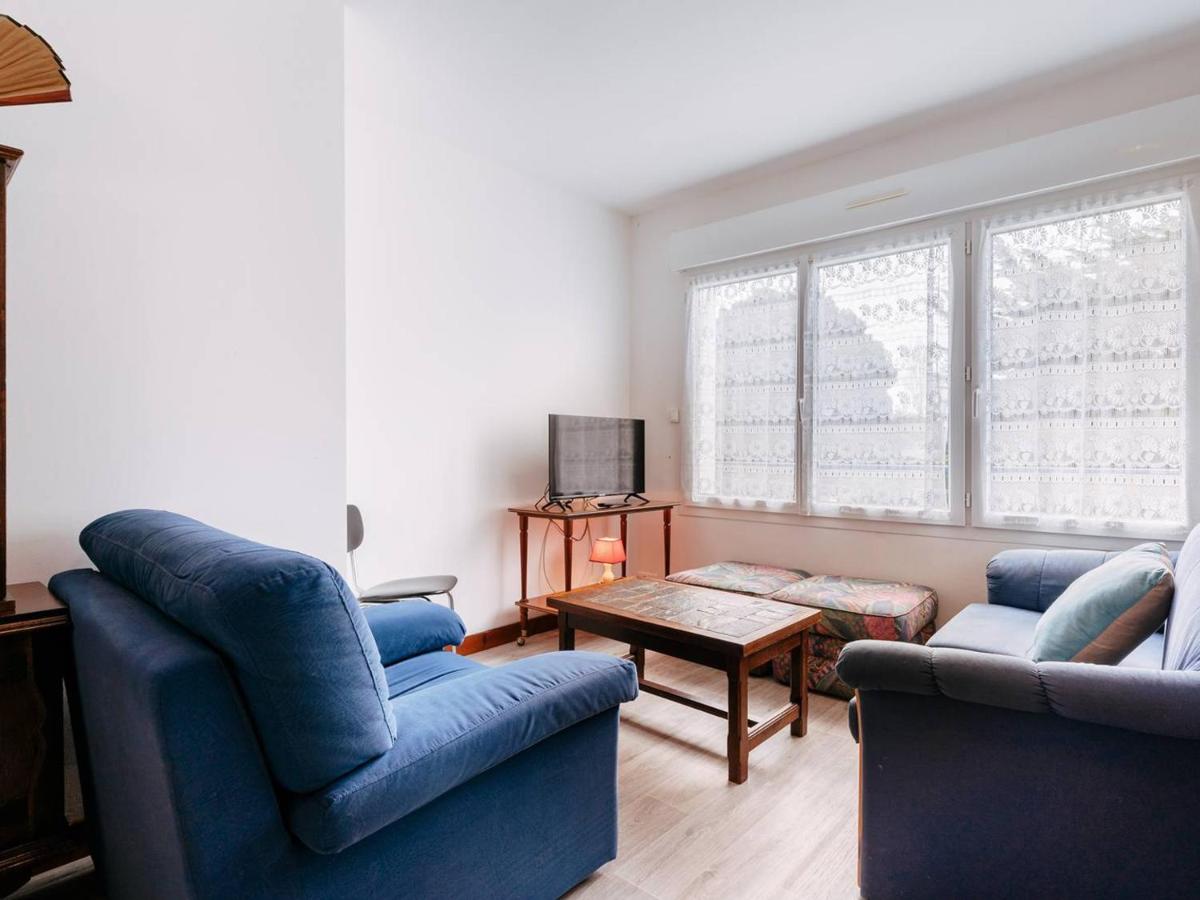
Whether you’re looking for a luxury hotel, a boutique stay, or affordable lodging, Carnac offers a wide range of accommodations to suit all tastes and budgets. Explore the best places to stay and make your trip memorable.


8.0
Very good
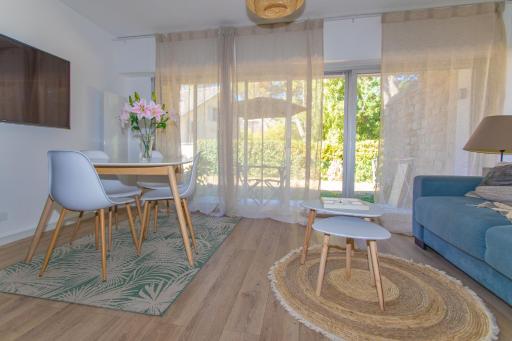
 Carnac, France
7.9
Very good
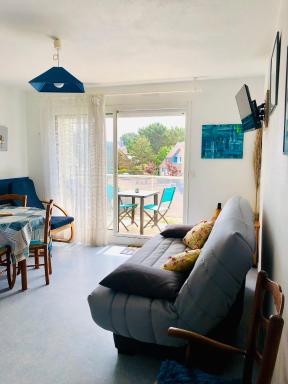
Carnac, France
7.8
Very good
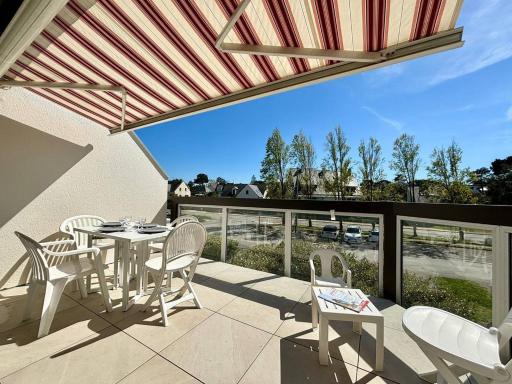
Carnac, France
7.5
Very good
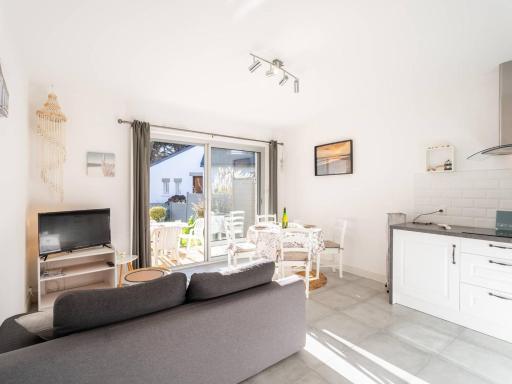
Carnac, France
7.0
Very good
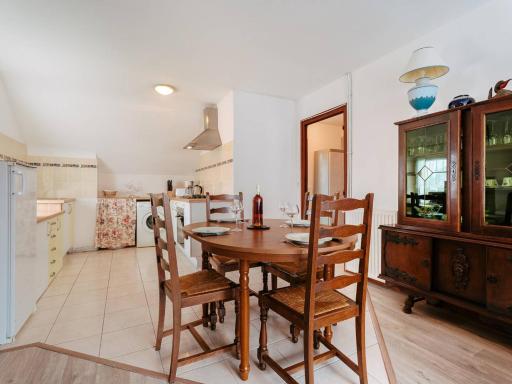
Carnac, France
 If you’ve explored Carnac, leave a tip to help other travelers enjoy their trip!
Carnac may be your main destination, but the nearby cities and stunning natural attractions offer even more to discover. Explore the best travel spots in the area to complement your adventure.
Carnac, France  See on map
The standing stones at Carnac, France, known as Menhirs, were originally erected between 3000 BCE and 600 CE. They are believed to have served various purposes such as astronomical markers, burial sites, or possibly even ceremonial structures. Today, they form an important archaeological site for studying prehistoric European culture.
There are over 3,000 menhirs (standing stones) at Carnac, France, stretching across several kilometers along a coastal plain. These monuments provide insight into the architectural and religious practices of ancient civilizations.
Carnac's location on the coast provides a unique environment for these stone formations, with strong winds and salt spray eroding them gradually over thousands of years.

Subscribe to our newsletter and get the best offers!
By entering your email address, you consent to receive automatically generated personalized commercial proposals, including proposals and offers of products and services from us and selected third parties (your data will not be shared with them). For more information or to revoke your consent, please refer to our Privacy Policy (you can also unsubscribe by clicking on the link in the email).






 Thanks for your advice! We’ll keep it in mind.